
Nikro Air Duct Cleaning in Jackson Heights: A Homeowner’s Guide
Most homeowners can’t tell if a technician used a $12,000 Nikro portable extraction unit or a $200 box-store vacuum, and contractors who cut corners are counting on that. The equipment is the difference between a real clean and a quick pass with a brush and a hose. This guide explains what Nikro’s machines actually do inside your ductwork, which models fit Jackson Heights apartment buildings versus attached row homes versus detached houses, and what a technician should physically show you before and after the work. We’d rather you know how to check than take anyone’s word for it.
If reading this raises a question about your own system, call (844) 443-4566. A written estimate costs nothing.
What does Nikro negative-pressure extraction actually do?
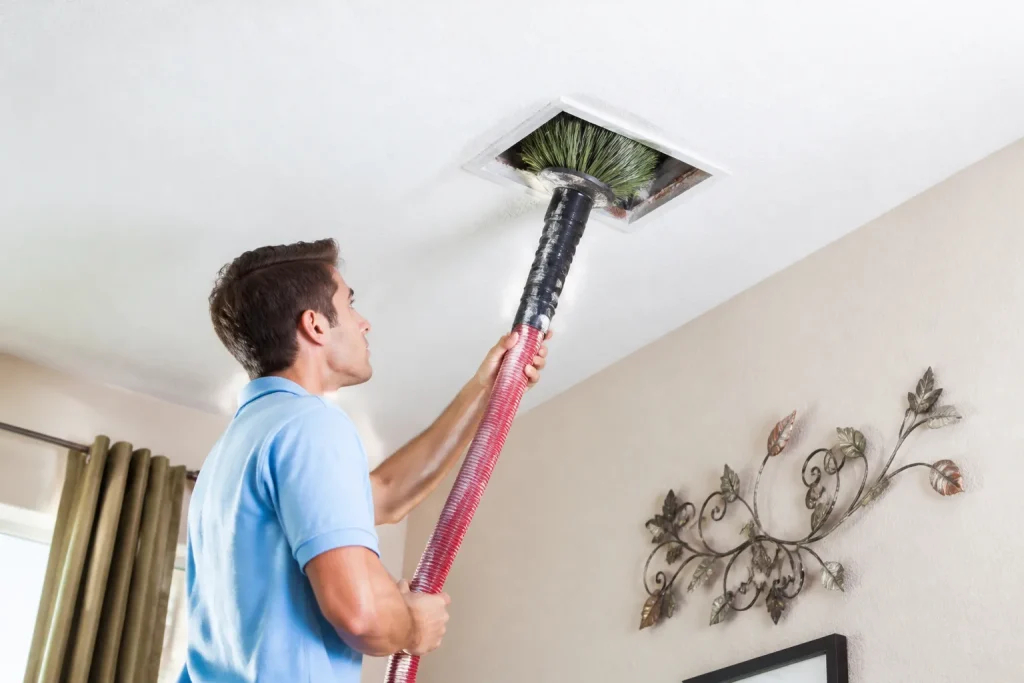
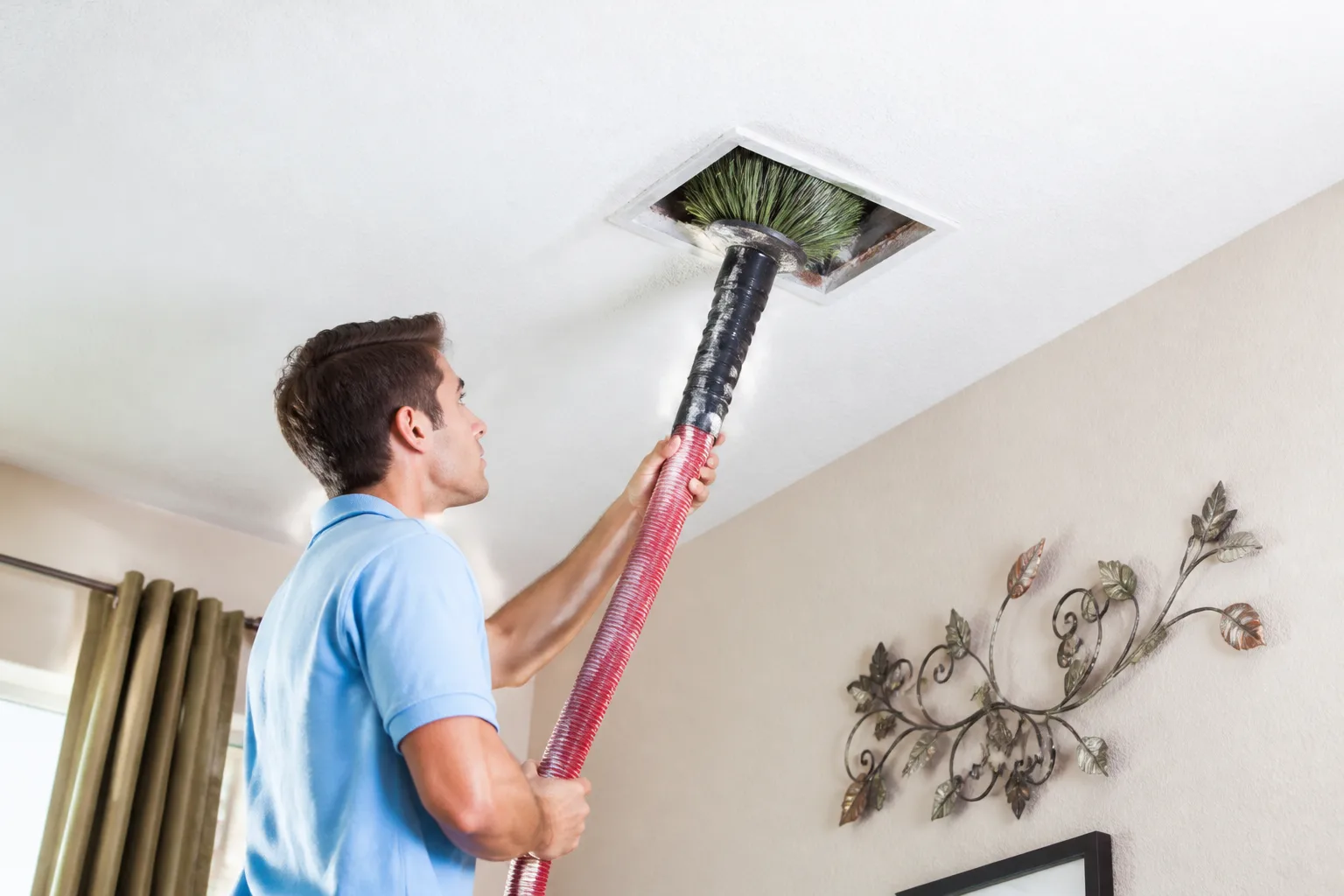
Nikro negative-pressure extraction puts the home’s duct system under a controlled vacuum while a mechanical brush or air whip agitates the interior of the ducts. The idea is simple: loosen debris everywhere it’s stuck, then pull it into a sealed collection unit instead of into your living room. A proper setup keeps the whole system under negative pressure for the duration, so anything disturbed stays captured until it reaches the HEPA filtration stage.
The mechanics matter more than the brand name on the housing. Three things have to work together:
- Sealed connection. The extraction unit ties into the main trunk or a designated access point and the rest of the system is closed off. If the technician leaves registers open during extraction, dust blows back into rooms.
- Agitation. A rotating brush or compressed-air whip travels the duct runs to break loose caked dust, construction debris, and the lint mat that builds on older galvanized duct. Vacuum alone won’t move what’s bonded to the metal.
- Filtration. The exhausted air passes through HEPA filtration before it leaves the machine. This is the part that decides whether the job protects your indoor air or just relocates the problem.
Nikro builds portable and truck-mounted extraction systems for restoration and abatement crews, which is why the equipment shows up in serious remediation work rather than in a homeowner rental aisle. The point of naming it is that you can ask which model a contractor brings and what its filtration rating is. A company that used Nikro-grade equipment can answer in specifics.
Which Nikro setup fits Jackson Heights housing stock?
The right extraction unit depends on the building, not on the marketing. Jackson Heights has a wide mix: pre-war walk-ups, attached brick row homes, and detached houses with full basements. Each puts a different load on a duct cleaning rig, and a one-size machine tends to struggle in at least two of the three.
Apartment buildings and pre-war walk-ups
Older Jackson Heights apartment buildings often have short, tight duct runs, limited access panels, and ductwork that was modified more than once over the decades. A compact portable negative-pressure unit that fits into a service closet or hallway and still holds a strong vacuum is what works here. The technician needs to create access points without damaging original plaster or the building’s structural elements, which takes more care than power. Ask how many access points they plan to cut and whether they seal them afterward.
Attached row homes
Row homes share walls, which means cross-contamination between units is a real concern if the job isn’t sealed properly. A portable extraction rig with strong negative pressure and a well-sealed main trunk connection keeps one unit’s dust from drifting into a neighbor’s return. Vent runs are often longer than in an apartment, so brush reach and hose length matter too.
Detached houses
Detached houses in Jackson Heights, most with a basement or crawlspace, are where a larger portable or truck-mounted Nikro setup earns its keep. Longer trunk lines, more branch runs, and a bigger air handler mean more volume to move. A high-capacity unit with HEPA filtration handles that without the technician having to stop and empty a small tank every 20 minutes.
If your building type isn’t obvious or you’re not sure what’s behind the walls, the free estimate is where a technician should lay out the plan for your specific layout before any equipment is switched on.
What should a technician show you before and after using Nikro equipment?
Documentation is the whole game. Anyone can claim Nikro equipment; a technician who actually uses it can prove the work with a few simple checks, and it takes only a minute to verify. Ask for the following before and after the job.
- Before photos of the duct interior. A camera shot down a return or a supply run shows the dust load. Without “before” images, there’s nothing to compare against.
- Airflow readings. A handheld anemometer at a register before and after cleaning gives a number you can see. If the technician can’t produce it, ask why.
- Debris collection evidence. The extraction unit has a collection bin. Ask to see it, or at least to have it shown to you at the end of the job. A meaningful job fills that bin.
- After photos. Clean interior duct walls, sealed access points, and an intact system are what closes a job properly.
- A written summary. A one-page record of what was cleaned, what was sealed, and any damage found along the way is worth keeping for future maintenance.
None of this is unreasonable to ask for. It’s also the easiest way to see whether the equipment and the work were real. Our technicians have up to 9 years of experience, and the ones we connect you with can walk you through each of these checks.
A roto brush system paired with a Nikro extraction unit is the combination to look for on most Jackson Heights jobs. If you’d like help reading a quote or confirming equipment, that’s part of what we’re here for.
Why does Nikro-grade equipment matter in Jackson Heights pre-war ductwork?
Pre-war ductwork in Jackson Heights is often galvanized steel that’s been through decades of heating and cooling cycles, with joints that may be loose, seams that leak, and sections patched more than once. Cleaning equipment powerful enough to move debris also has to be gentle enough not to damage compromised metal. That’s the balance Nikro-class systems are built to strike.
Three problems show up again and again in older ductwork:
- Dust buildup is denser. Decades of settled dust compacts into a layer that a shop vacuum can’t lift. It takes mechanical agitation and sustained vacuum to break it up.
- Leaks and gaps undermine the clean. If a duct run leaks, dirt re-enters as fast as it’s removed. Cleaning without sealing is a temporary fix.
- Access is limited. Older systems weren’t designed with cleaning in mind. The technician needs to know where to open the duct, how to seal it back, and when to repair a damaged section instead of cleaning around it.
This is where a full-service specialist matters versus a clean-only contractor. Cleaning without sealing leaves the same gaps circulating dust next month. Our Air Duct Cleaning Jackson Heights service pairs extraction with repair and sealing so the system closes up after the clean. If the job is done right, airflow improves, dust settles less on surfaces, and the next cleaning interval stretches out.
What questions confirm a contractor actually uses Nikro equipment?
Five questions separate a company that uses Nikro equipment from one that name-drops it. Ask them before the estimate is signed and listen for specifics. A contractor who actually uses this equipment answers quickly; one who doesn’t starts hedging.
- Which Nikro model do you bring, and what filtration rating does it have? A real answer names the unit and its HEPA filtration specification. “The good one” is not an answer.
- Will the system be under negative pressure the whole time? The correct answer is yes, with a sealed connection at the trunk and registers closed. If they say they’ll “work room by room,” ask how dust stays contained.
- Can I see before and after photos of the duct interior? A contractor already equipped to document the job will say yes without hesitating.
- Do you test airflow before and after? A yes with a specific tool (anemometer, manometer) tells you they measure; “we can see it’s better” tells you they don’t.
- Do you repair and seal access points and damaged duct? Cleaning and sealing belong together. A clean-only quote leaves leaks for later.
If the answers check out, the next step is a written quote. Whole-system pricing by estimate is how this should be quoted, not a per-vent teaser figure that balloons once the technician is on site. Ask that the estimate state the price for the full system and confirm it in writing before work starts.
For related work, our dryer vent cleaning and HVAC cleaning services round out the picture. A clean duct system and a clean air handler don’t operate independently.
When to call a pro
If dust collects on furniture within a day of cleaning, if airflow out of a register feels weak, if you notice a musty smell when the heat or AC comes on, or if a renovation just wrapped up, it’s worth an inspection. Ductwork that hasn’t been cleaned in years can usually be handled without drama, but you want the right equipment on the first visit, not the third.
The Bottom Line
Nikro extraction equipment exists for one reason: to remove what’s inside a duct system without redistributing it into the home. The brand on the machine tells you less than what the technician does with it. Before you hire, ask which model they bring, whether the system stays under negative pressure, and whether they’ll show you before and after photos with airflow readings. A contractor who’s genuinely using Nikro gear answers those questions in plain terms. One who isn’t will change the subject.
If you’re in Jackson Heights and want help sorting this out for your own home, Air Duct Cleaning Jackson Heights offers free estimates. Call (844) 443-4566. We answer 24/7, and fast dispatch runs 7am to 7pm, Sunday through Friday. Whether you’re in a pre-war walk-up or a detached house, a technician can confirm what your system needs and put it in writing before any work starts.
Frequently Asked Questions
Nikro air duct cleaning uses a Nikro negative-pressure extraction unit, combined with brush or air-whip agitation, to pull dust and debris out of the duct system under a sealed vacuum. The equipment is sourced from the restoration and remediation industry, and the same rigs are used by certified abatement crews. The key is that the system stays under negative pressure so nothing escapes into the home. For an exact equipment check on your Jackson Heights home, call (844) 443-4566.
Ask for the model name, its HEPA filtration rating, and before and after photos of the duct interior with airflow readings. A shop vac can’t hold a system under negative pressure or filter at HEPA grade, so the answers will be specific if the equipment is real. If a contractor can’t name the model or produce readings, it’s worth a second call. Call (844) 443-4566 for a free estimate and we’ll walk you through exactly what to look for.
Pre-war ductwork in Jackson Heights often has loose seams, patched sections, and decades of compacted dust that a consumer vacuum can’t lift. A Nikro-class extraction unit has both the vacuum strength to move that debris and the filtration to keep it contained, while the technician handles access points and sealing. Cleaning without repair and sealing leaves the same leaks circulating dust again. Call (844) 443-4566 to talk through your building before booking.
Pricing is per job by written estimate, based on system size, number of runs, and whether repair or sealing is involved. A dedicated specialist quotes the full system, not a per-vent rate that grows as the job goes. Ask for the price in writing before work begins, and confirm it covers the whole system, not just the main trunk. Call (844) 443-4566 for a free estimate and a written price.
Written by the team at Air Duct Cleaning Jackson Heights.
Need Air Duct Cleaning Help?
Call Air Duct Cleaning Jackson Heights - the local pro we connect you with is licensed and insured, with free written estimates in Jackson Heights.
(844) 443-4566