
Last updated November 22, 2026
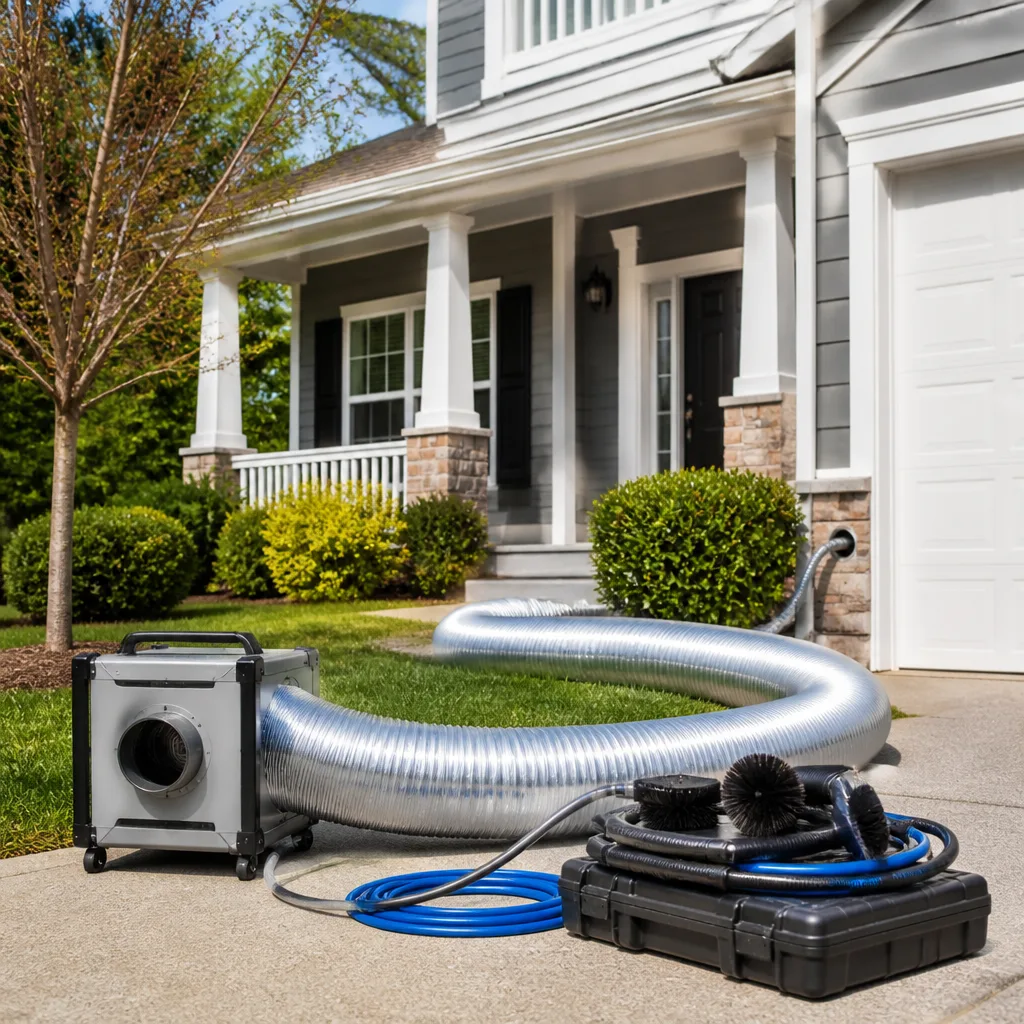 Whole-home duct cleaning
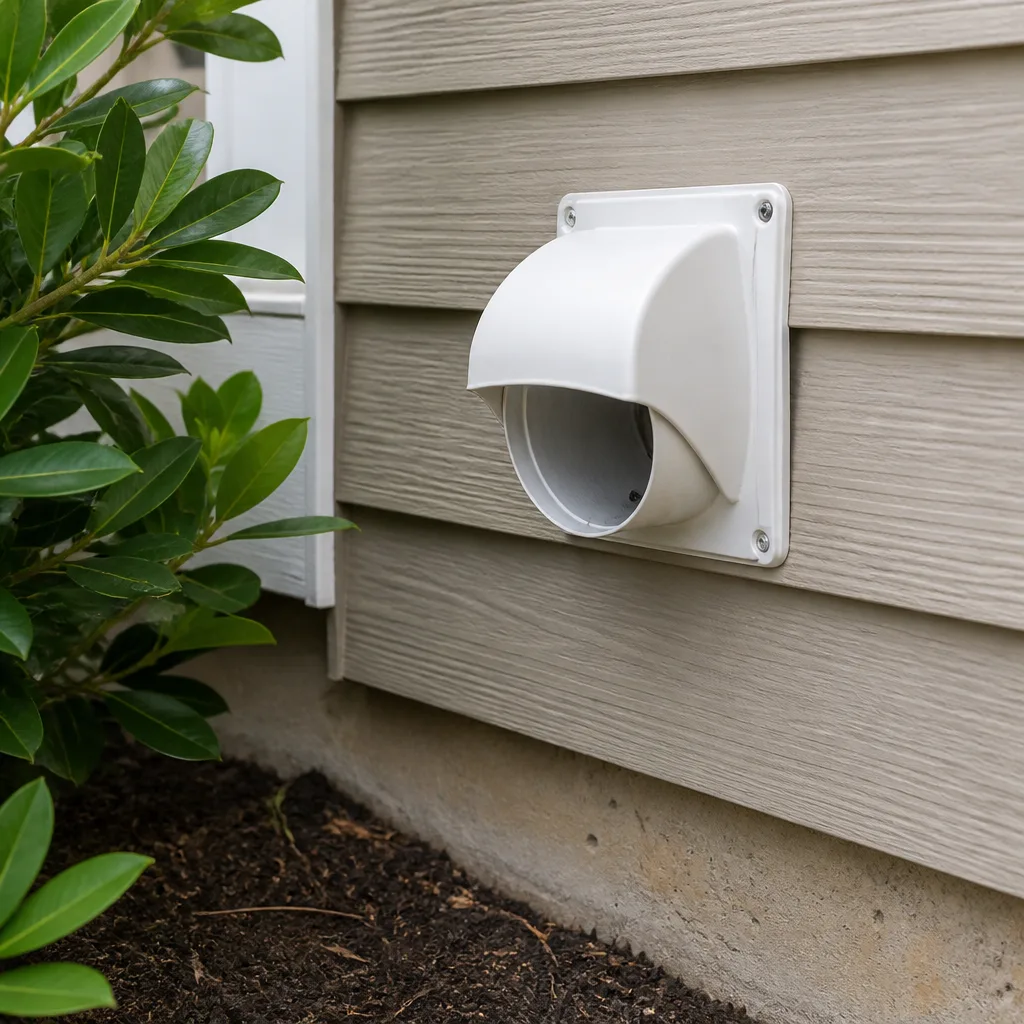 Dryer vent cleaning
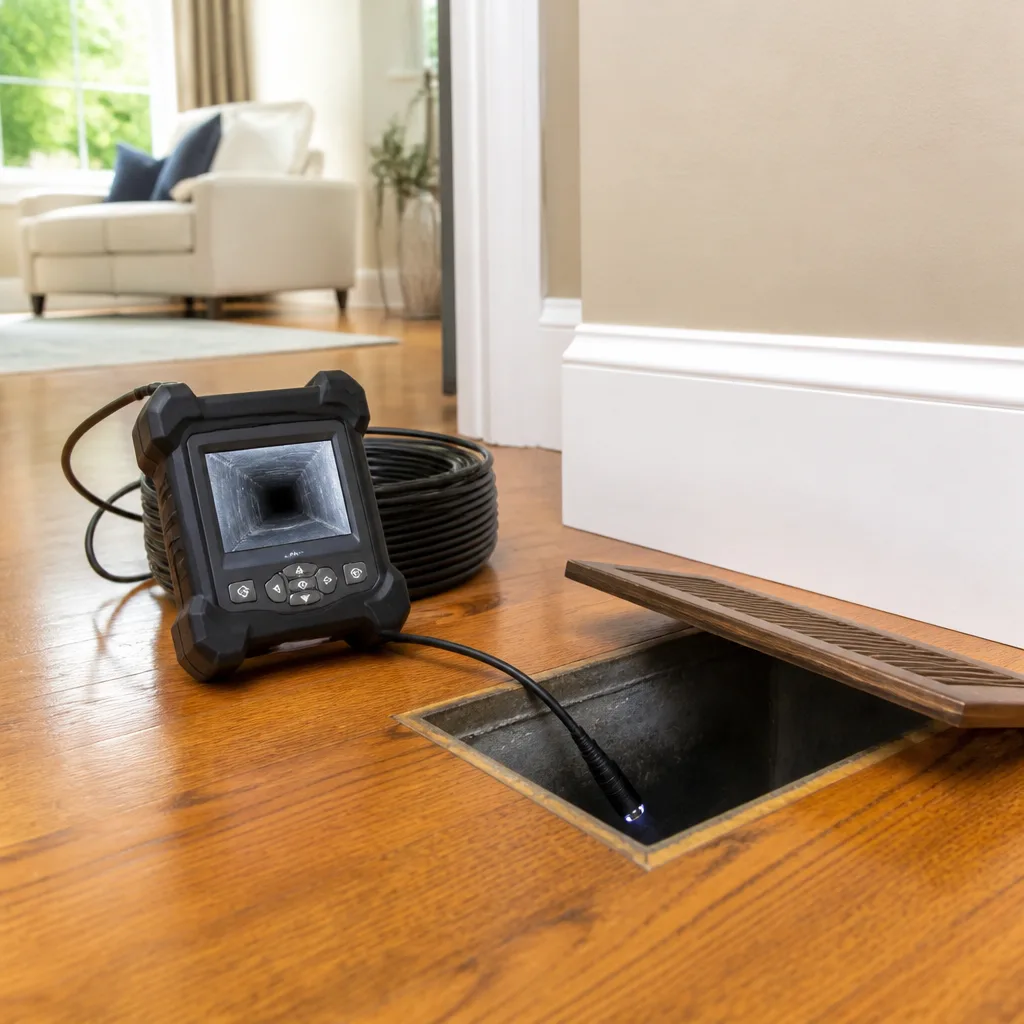 Camera inspection
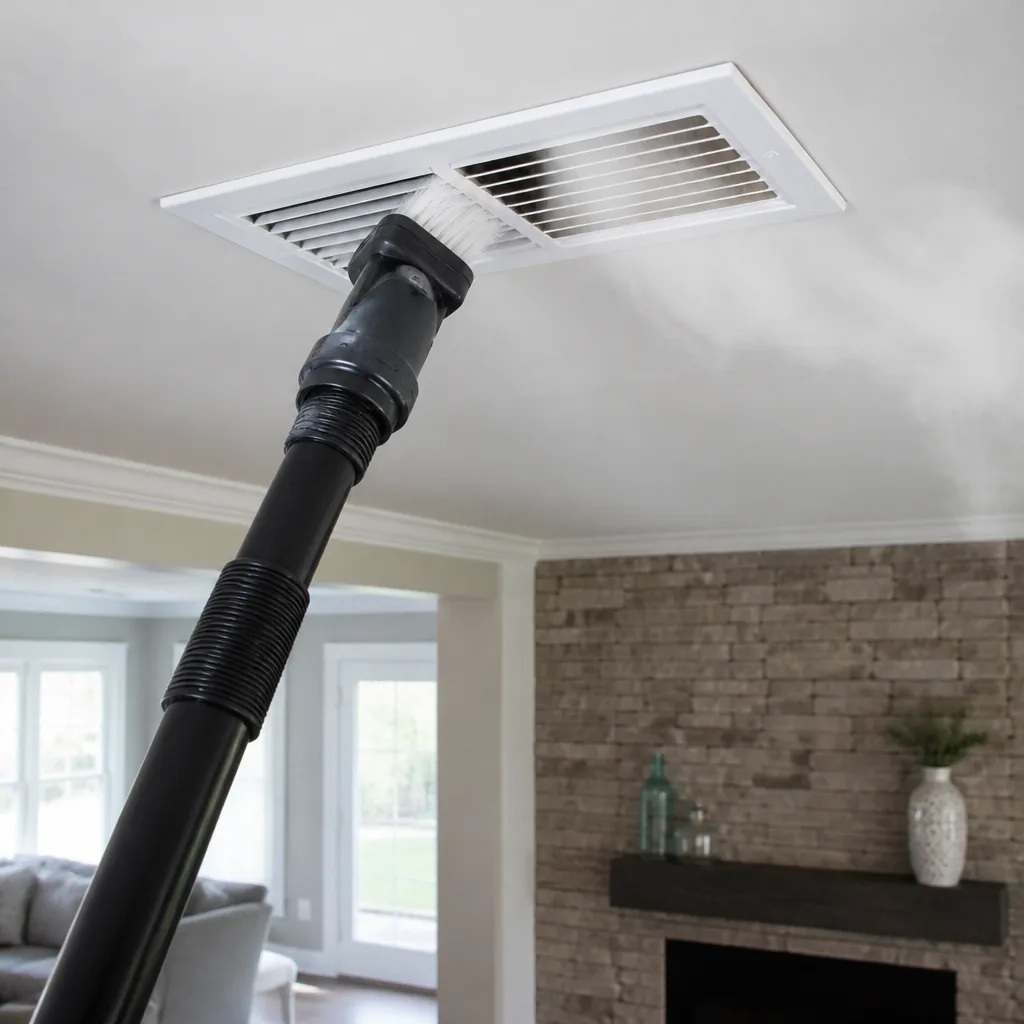 Sanitizing & deodorizing
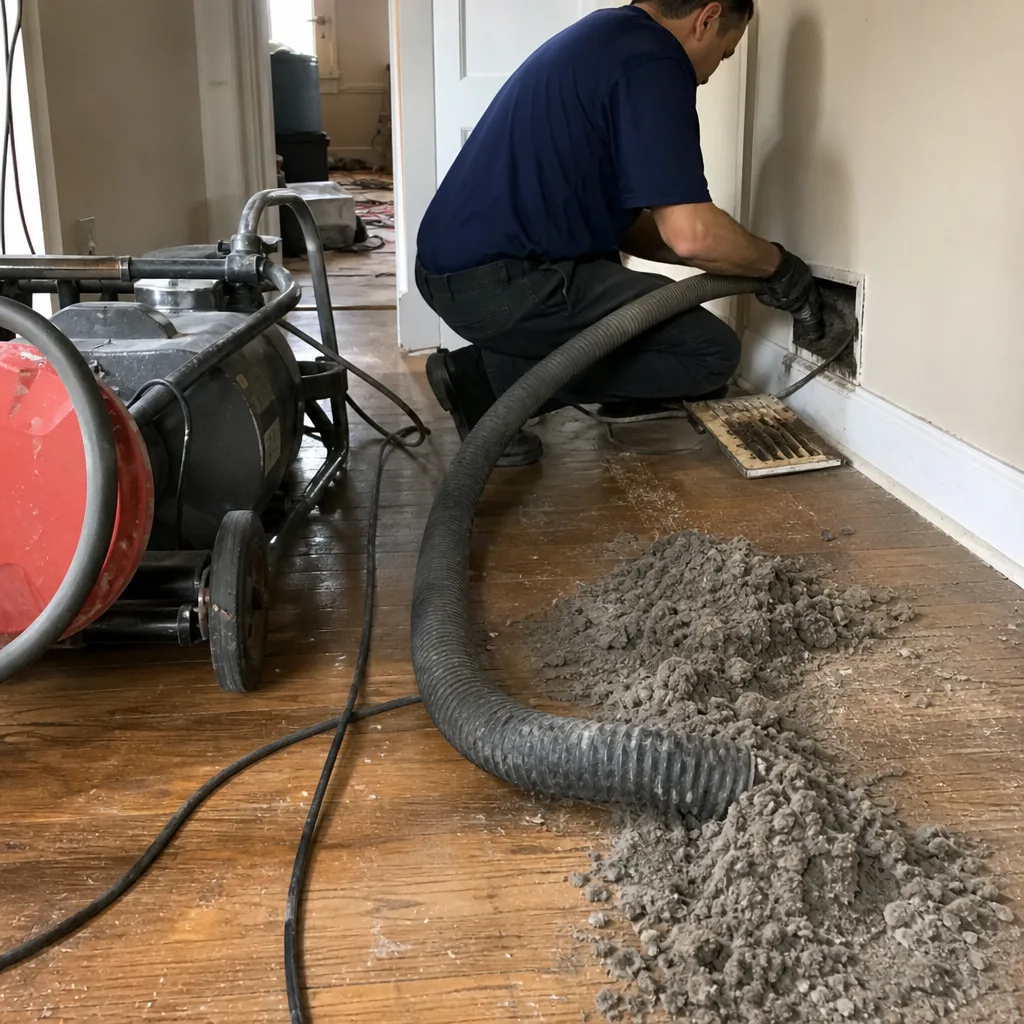
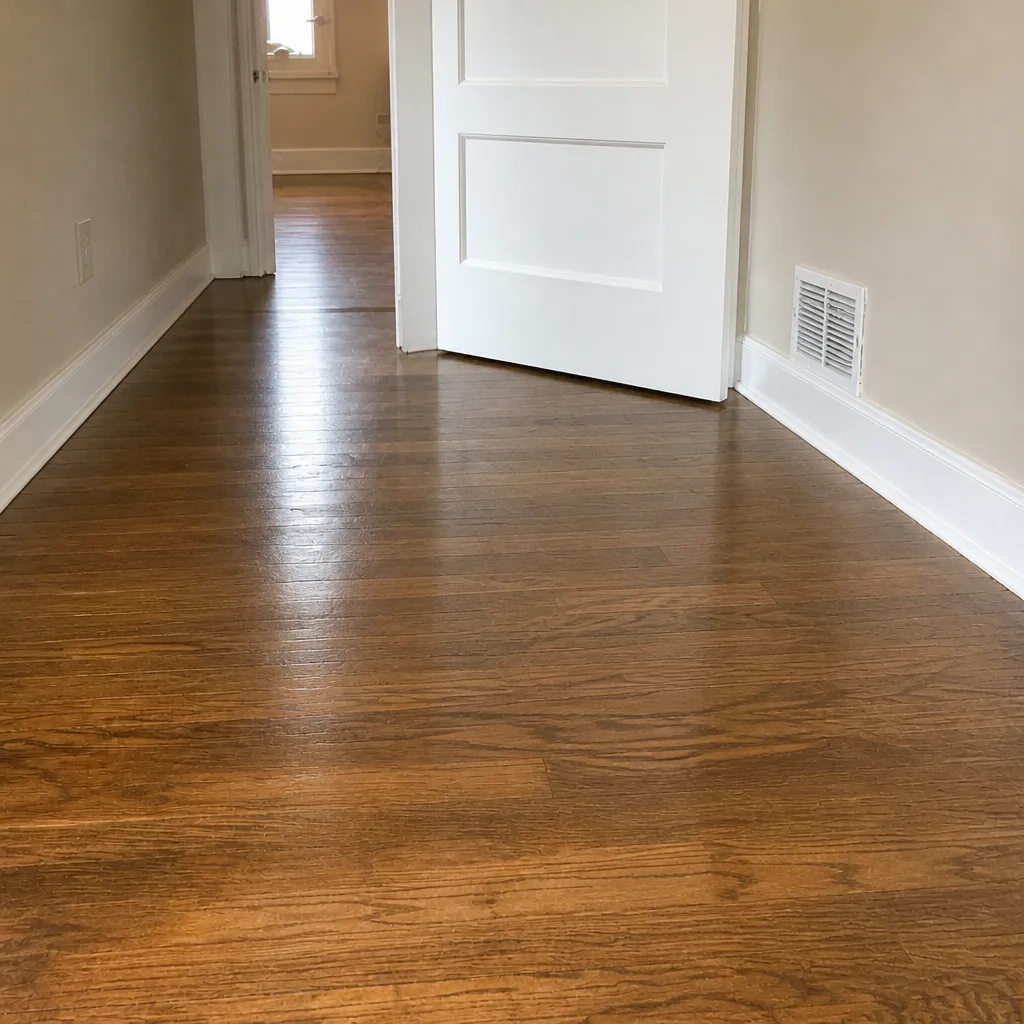
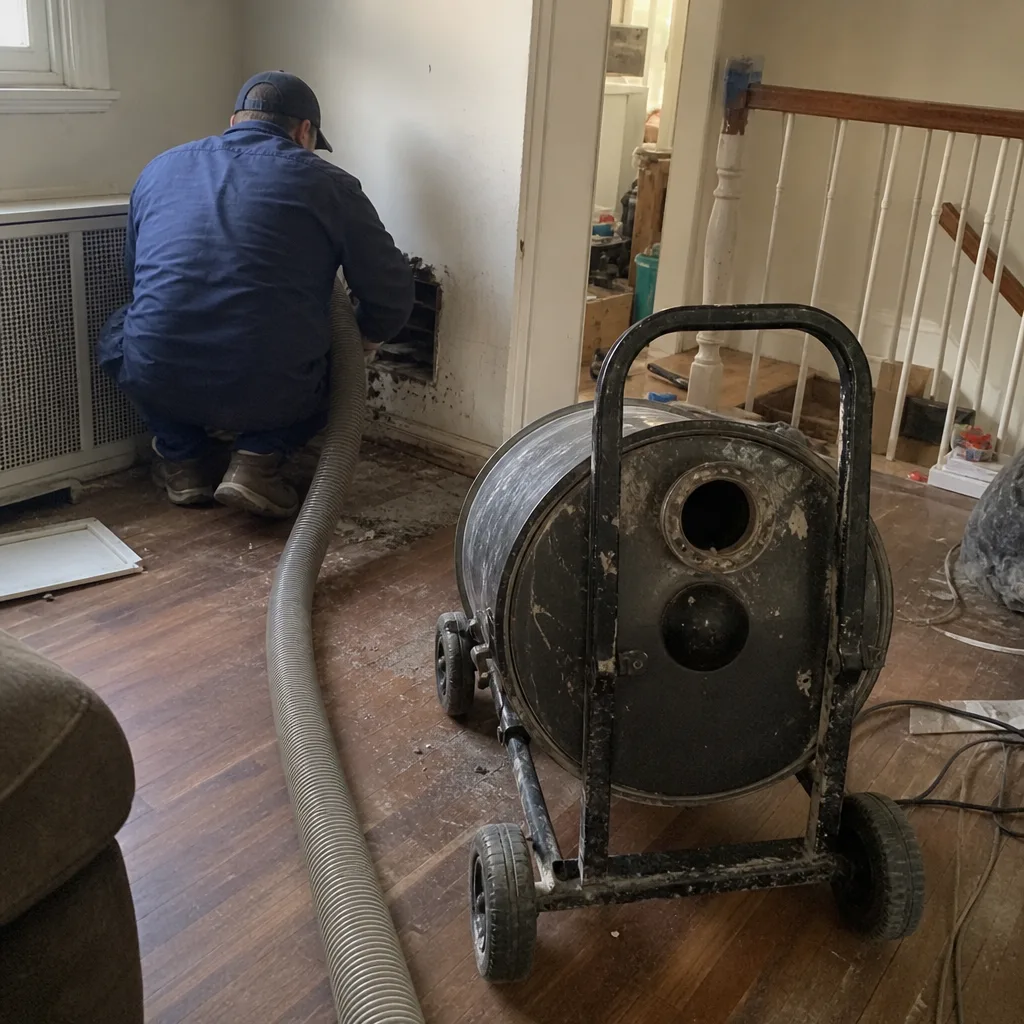
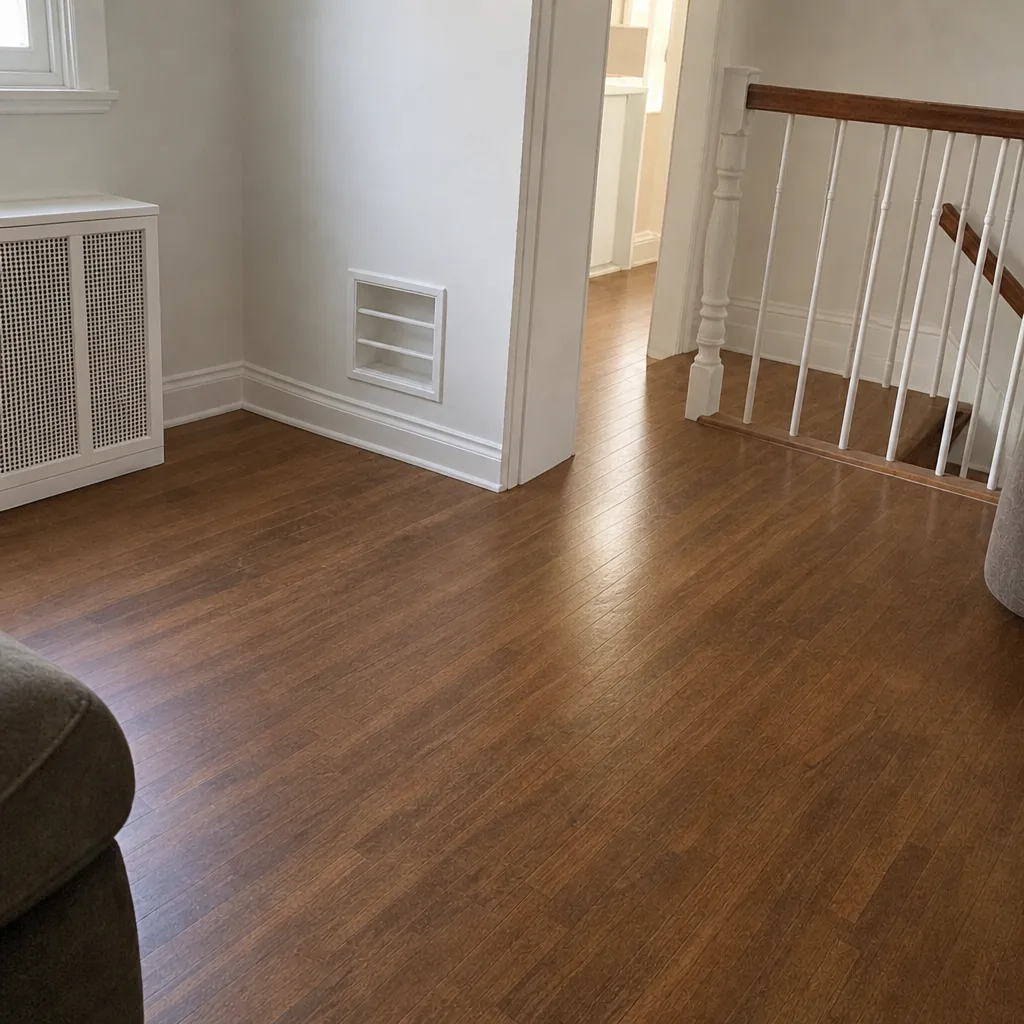
Whole-system duct and dryer vent check with before-and-after photos - you see exactly what came out of your vents
That "$99 whole-house special" is a bait ad - the real number appears once they are in your hallway, or the "clean" is a shop-vac at the register. We photograph the inside of your ducts before and after instead.
Choosing the Right Air Duct Cleaning Brand: A Buyer’s Guide for Jackson Heights
Most people pick a duct cleaning company the way they pick a pizza place: whoever shows up first with a coupon. That’s the mistake. In a market where any general HVAC contractor can relabel itself an “indoor air quality specialist” overnight, the name on the side of the van tells you almost nothing. What matters is verifiable: whether the technician at your door holds a current NADCA certification, whether the equipment outside is actually rated for residential ductwork, and whether the company can finish the job through to sealing. This guide teaches you how to audit those things yourself, in Jackson Heights, before you book.
Quick Answer
Choose an air duct cleaning company in Jackson Heights by verifying four things before you book: current NADCA certification (check the registry yourself, don’t take a self-report), owned professional-grade equipment (Rotobrush or Nikro class, not a shop vac), a service scope that includes duct repair and sealing so leaks get fixed rather than left behind, and specific local reviews that name the actual work performed. Brand recognition and coupon pricing are the two weakest signals in this decision.
Styles & brands we work with
- Whole-home duct cleaning
- Dryer vent cleaning
- Camera inspection
- Sanitizing & deodorizing
Table of Contents
- Why verification beats brand recognition in Jackson Heights
- How to verify NADCA certification yourself
- What to ask about equipment before you book
- Why service scope predicts project outcomes
- How to read reviews specifically for duct cleaning
- Why Jackson Heights housing types change the job
- Two questions that separate specialists from generalists
- Common mistakes to avoid
- When to call a professional
Why verification beats brand recognition in Jackson Heights
Duct cleaning has no franchise shield that guarantees quality. The same national name can be an excellent operation in one neighborhood and a subcontracting shell in another. A multi-truck company marketing heavily in Jackson Heights may dispatch a third party for the actual work, and the brand you called has no say in the equipment or the technician’s certification. That’s the reality of this trade, and it’s why you evaluate the operation, not the logo.
What you can verify, you should. What you can only take on faith, you shouldn’t pay for. The rest of this guide is built around that principle: rather than ranking companies for you, we’re showing you how to audit the operation behind any name, including ours.
A verified duct cleaning company earns trust through its equipment log, its scope of services, and the quality of its reviews. A brand earns trust through advertising spend. Only one of those predicts what happens in your apartment.
Jackson Heights adds a wrinkle. Much of the housing stock here is multifamily, prewar, and served by forced-air systems that were retrofitted long after the buildings were constructed. That means ductwork often runs through tight chases behind kitchen and bedroom walls, and original returns may not match modern supply layouts. A company that knows the neighborhood asks about the layout before quoting. A company that doesn’t is quoting blind.
How to verify NADCA certification yourself
NADCA, the National Air Duct Cleaners Association, maintains a public certification registry. You can look up any company or technician by name. This takes about two minutes, and it’s the single most useful check you can perform before you call.
The reason it matters: certification isn’t a marketing label. It requires passing a written exam that covers HVAC fundamentals, contamination assessment, and industry standards. Certified companies undergo a re-verification cycle. A company with an active NADCA listing has agreed to a defined standard. A company with no listing but “certified technicians” on its website has made a claim you can’t check.
Here’s the registry lookup, step by step:
- Go to the NADCA website and open the “Find a Certified Company” tool.
- Search by company name, or by zip code if you only know your Jackson Heights neighborhood.
- Note whether the company appears as a certified firm, not just whether individual technicians are listed.
- Note the certification type. That indicates the current level, not historical status.
- If the company isn’t listed, ask them directly: “Which of your technicians are currently NADCA certified, and under what company record?”
- Write down the answer. If they can’t give you one, that’s your answer.
The distinction between company-level and individual certification is useful. A firm-level listing means the company has committed to the standards. Individual certification means the person arriving has passed the exam. Ideally you want both. In our experience, firms serious about the trade will point you to their registry entry without hesitation; firms that subcontract the work usually can’t, because the record belongs to whoever shows up.
What to ask about equipment before you book
The equipment brought into your home is the most underrated differentiator in this trade. Anyone can buy a cheap brush-and-vac rig. A serious operation invests in systems with the airflow and agitation to actually move debris out of a residential duct run, not just disturb it.
Here’s what to ask, and what the answers should tell you:
- “What kind of vacuum and agitation equipment will you bring?” You’re looking for professional-grade names, not generic. Rotobrush is a common benchmark for residential systems, and Nikro equipment is used widely in remediation work. Both are recognizable names you can look up yourself.
- “Do you own the equipment, or is it rented or borrowed?” Owned equipment usually means a company that invests in the trade. Subcontractors may arrive with whatever the fleet has that day.
- “What’s the CFM rating of the vacuum you’ll use?” CFM – cubic feet per minute – describes how much air the system can move through your ducts while cleaning. Higher-rated systems are what the job actually requires. If they can’t name the number, they haven’t thought about it.
- “What sanitizing products do you use?” Products built for environmental remediation – Abatement Technologies makes a well-known line – behave differently than retail sprays from a hardware store.
- “Can you test airflow before and after?” A company that documents baseline static pressure and airflow is a company that has an answer when you ask how the work performed.
Equipment tells you about intent. A company with Rotobrush and Nikro gear has spent the money on the tools. A company with a consumer vacuum and a brush head has spent it on advertising. Ask which one showed up to quote your Jackson Heights apartment.
Why service scope predicts project outcomes
Here’s the situation no one mentions at the point of sale. When a cleaning-only company finishes and finds a gap at a supply trunk, a disconnected flex run, or a rusted return collar, what happens next? In most cases, they refer you elsewhere. The cleaning is done, the leak is still there, and the contamination that entered through it is the reason the system needed cleaning in the first place.
Full-service scope changes the math. A specialist whose service list includes duct repair and sealing, plus sanitizing and dryer vent cleaning, has an incentive to find and fix the root cause in one visit. The diagnostic that happens during cleaning is the same diagnostic that identifies what needs sealing. Handoffs between vendors, by contrast, tend to lose that connection.
Look for a firm that does all of the following:
- Duct cleaning with documented before-and-after conditions.
- Duct repair and sealing, including gaps at collars and damaged sections.
- Sanitizing using remediation-grade products.
- dryer vent cleaning, which addresses a fire-safety risk most duct cleaners ignore.
- Systems awareness: does the company understand how Honeywell and Aprilaire filtration and humidity controls interact with clean ductwork, or do they only clean and leave?
The right answer to ask is: “If you find a leak during the cleaning, what happens?” A cleaning-only company says “we’ll refer you.” A full-service specialist says “we’ll seal it while we’re there, and you’ll get a quote first.” That distinction matters far more than the name on the truck.
How to read reviews specifically for duct cleaning
Five-star reviews without detail are nearly useless for this trade. What you want are reviews that mention specifics: what equipment showed up, whether the technician explained the process, whether they found and fixed a leak, whether they left a mess. Detailed reviews are hard to fake at scale, and specific ones tell you what the operation actually does on site.
A quick method for scanning reviews:
- Filter to reviews from the last year. Older reviews can describe a different crew or a different ownership.
- Read the medium-rated reviews (3 and 4 stars) first. They tend to contain the honest middle ground.
- Look for reviews that mention the technician by certification or that name the equipment. Those reviews come from people who knew what to ask.
- Notice whether the company responds with specifics. “Thanks for the feedback” is not specificity. “We confirmed the return register was sealed and re-tested airflow; glad it resolved” is.
- Discount reviews that only mention price or speed. Those didn’t test the work.
What you’re sorting for is whether the operation did what it said. In our experience, the reviews that carry the most weight for a duct cleaning company describe what happened during the visit, not just how fast the crew showed up.
Why Jackson Heights housing types change the job
Jackson Heights isn’t a typical suburb, and the ductwork isn’t either. Prewar walkups, gut-renovated multifamily buildings, and maisonette layouts all present different challenges. Ducts in these buildings often travel through walls that can’t be opened without a plan, existing supply runs may have been combined or extended over the decades, and return air may travel through corridors rather than dedicated chases.
A company genuinely local to Jackson Heights will ask about your building before quoting: how many floors, what kind of system, where the air handler sits, whether the ducts are original or retrofitted. Those questions are a real signal. A generalist quoting from a call center can’t ask them because the answer doesn’t fit the script.
Two more local factors worth knowing:
- Humidity in summer. Jackson Heights apartments close up with the AC running hard in July and August. That’s when a duct system that’s been circulating buildup starts showing symptoms: dust film on surfaces within a day of cleaning, musty odors when the system starts, allergy-like symptoms that improve when you leave. Those are diagnostic signals, not weather.
- Neighborhood housing stock. Walk-up buildings along 37th Avenue, garden apartments off Northern Boulevard, and multi-unit homes in East Elmhurst all handle duct cleaning differently. A company that can talk through the differences isn’t guessing.
To test whether a company knows Jackson Heights housing types, ask: “What’s the most common duct configuration you see in prewar buildings in this neighborhood, and how does that change the cleaning approach?” A specialist will answer with the differences (chase width, return layout, access panels). A generalist will pivot to the pitch. This is the guide’s central idea: brand recognition doesn’t predict the answer to that question. Local specialization does.
Two questions that separate specialists from generalists
You can perform a fast assessment with two questions before booking. Ask them in that order and listen carefully.
Question 1: “What did you find the last time you cleaned a system like mine in Jackson Heights?” The answer should describe duct conditions – typical debris location, return chases, flex duct problems, damaged collars – not a sales pitch. A generalist will talk about air quality in general terms. A specialist will talk about what’s actually inside a Jackson Heights duct run.
Question 2: “If you find a gap or a damaged section, who fixes it?” The answer should be “we do.” If the answer is a referral, the company can’t finish the job. Cleaning-only operations that subcontract repair work leave a gap in the system and in the outcome.
If either answer sounds like a brochure, that’s your signal. Both answers should sound like a technician who’s spent hours inside systems like yours.
We’ve found this pair of questions is more predictive than almost any online research you can do, because it tests the same thing a NADCA registry lookup or an equipment list tests: is this operation specific?
Our approach to the full chain
Since this is a buyer’s guide, it’s fair to be explicit about how we position against everything above. We’re a dedicated indoor-air specialist, not a general HVAC contractor who added duct cleaning to the price list. Every technician we work with runs professional-grade Rotobrush and Nikro equipment, and sanitizing uses products built for the remediation industry from Abatement Technologies. Our technicians have up to 9 years of experience. We offer five services, all under one accountability: air duct cleaning, dryer vent cleaning, HVAC cleaning, duct repair and sealing, and air quality sanitizing.
That scope is the reason we push for verification before booking. When you check the NADCA registry, ask about equipment, and confirm the company can seal what it cleans, you’re doing the audit we think every homeowner should run. If a company passes, book it. If it doesn’t, you’ve saved yourself the worst kind of coupon surprise.
If you want to start with a full-service specialist in Jackson Heights, Air Duct Cleaning Jackson Heights is what we do.
Common Mistakes to Avoid
- Booking on price alone. A very low quote is a conversation starter, not the whole price. Expect a written estimate before work begins and insist on it as the final number.
- Assuming NADCA certification without checking. The registry is free and fast. Companies that reference “certified technicians” but don’t appear in the registry can’t be verified, and in Jackson Heights that’s a common gap.
- Hiring a company that can only clean. If the company can’t seal a gap it finds, you’ll still have the source of the problem when the truck leaves. Full-service scope fixes that.
- Reading only five-star reviews. Detailed middle-tier reviews are where the real signal lives. Filter for specifics, not stars.
- Forgetting the dryer vent. In multifamily buildings, restricted dryer vents are a real fire-safety risk, and many duct cleaners never touch them. Ask if the company services it.
- Ignoring how the company announces itself. Truck-mounted vacuums with clear airflow ratings, real equipment names, and a service list that includes repair all show up in the quote. Vague promises don’t.
- Not asking for before-and-after photos. A specialist will document the condition of your own ducts before and after cleaning. A cleaning-only shop behind a coupon almost never will.
See the difference
 Before
 After
 Before
 After
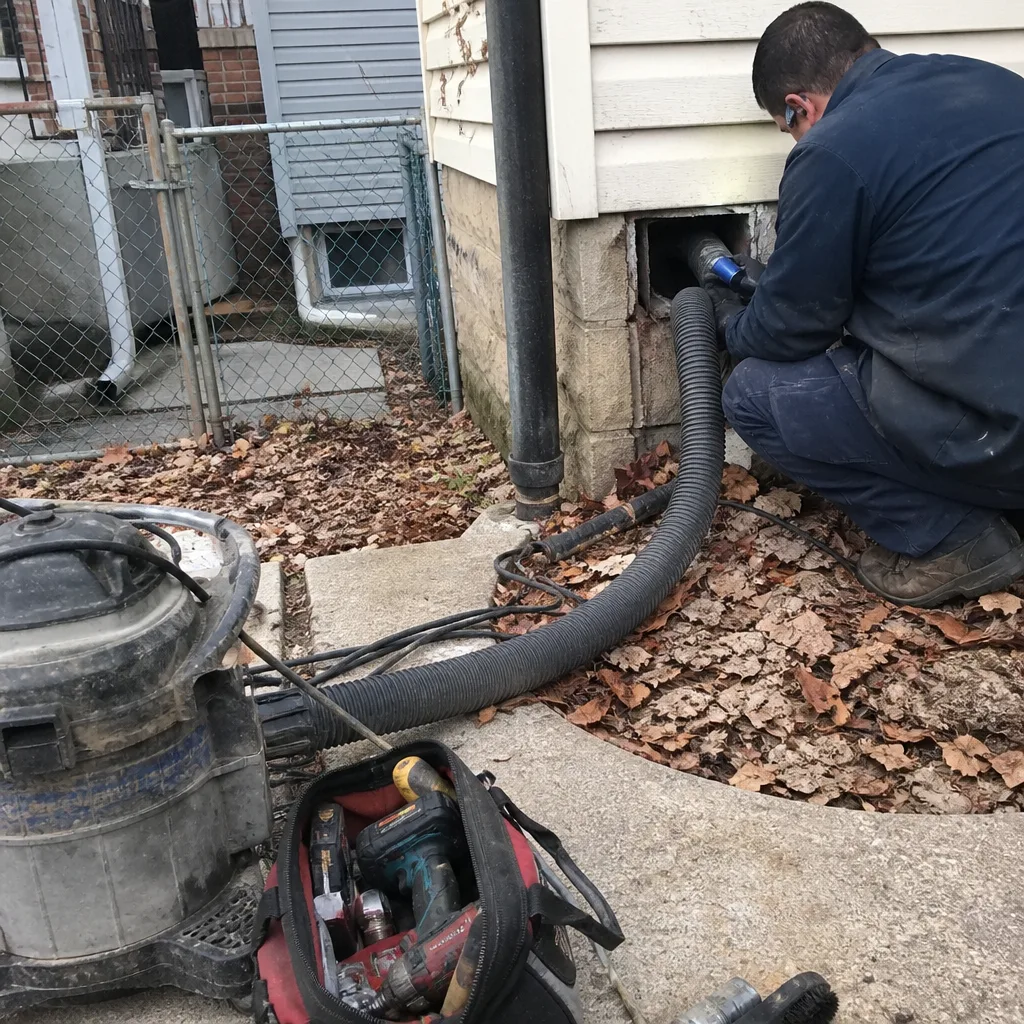 Before
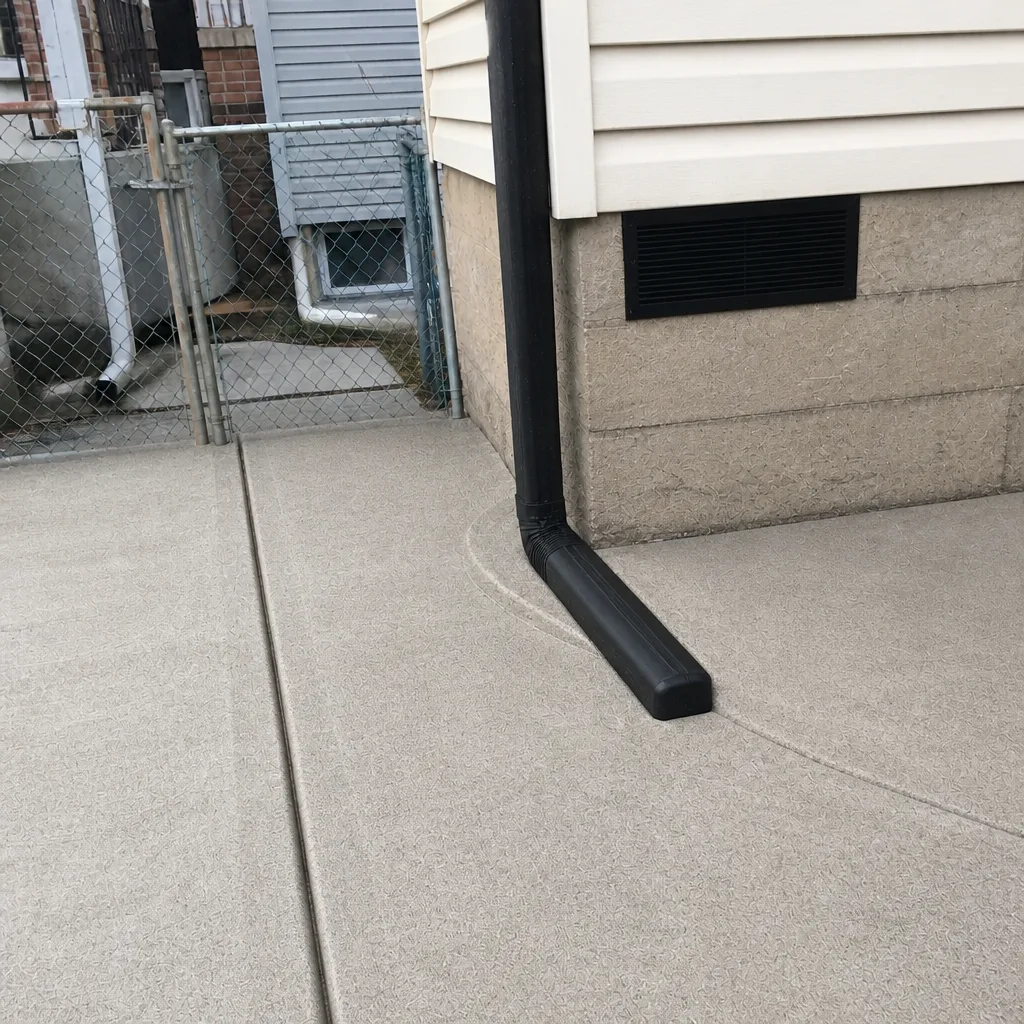 After
When to Call a Professional
Some duct problems need real diagnosis, not a dusting. Call a professional when you’ve just moved into a Jackson Heights apartment and don’t know the duct history, when you see dust settling within a day of cleaning or a musty smell on startup, when renovation work has been completed nearby without protection for the HVAC system, when you can hear whistling or feel weak airflow at one or more registers, or when you’re a property manager who needs documentation for a tenant. Dryer vents that feel warm and linty at the exterior, or run longer than expected, also warrant a call.
Air Duct Cleaning Jackson Heights offers free estimates in Jackson Heights – call (844) 443-4566 to book an audit of your system before you commit to a service. We answer 24/7. Fast dispatch from 7am to 7pm, Sunday through Friday.
Frequently Asked Questions
Air duct cleaning in Jackson Heights is priced per system, not per vent. A written estimate sets the final price before any work begins, so you know the number in advance and it doesn’t change when the technician starts. Coupon teasers and per-vent pricing are signs to look elsewhere. Call (844) 443-4566 for a free estimate.
The cheap quote usually reflects a company that’s quoting for less work: less equipment, less scope, less documentation. It’s not the same job. A quote that doesn’t include repair and sealing capacity, or that skips the NADCA verification step, is quoting a smaller service. Call (844) 443-4566 if you’d like a free estimate for the full job.
Ask for before-and-after photos of your own ducts and registers, and for airflow readings if the company takes them. A specialist documents it. A cleaning-only operation usually doesn’t. Call (844) 443-4566 to schedule with a company that will show you what happened.
It depends on the system, not a fixed schedule. New construction, renovations, and visible dust on registers are triggers. For a Jackson Heights apartment with no known problems, a diagnostic assessment is more useful than an annual cleaning schedule. Call (844) 443-4566 for a free estimate and diagnosis.
Use the NADCA website’s “Find a Certified Company” tool and search by company name or zip code. Verify firm-level certification, not just that the website claims it. If the company isn’t listed, ask directly which technicians are currently certified and under what company record.
Clean ducts don’t cure allergies, but a system that’s circulating dust, debris, and microbial buildup can aggravate symptoms, and fixing that system reduces one source of indoor air contamination. If you’re sensitive to dust, ask about sanitizing using remediation-grade products during the cleaning. Call (844) 443-4566 to talk through your situation.
The Bottom Line
The best air duct cleaning company in Jackson Heights isn’t the one with the biggest ad spend or the loudest coupon. It’s the one you can verify: NADCA certification you checked yourself, professional-grade equipment with a real CFM rating, a service scope that includes duct repair and sealing, and reviews that name what happened during the visit. Brand recognition is a marketing signal. Equipment and training are the operating reality. Run the two questions before you book. If the answers sound like a technician who’s spent hours inside systems like yours, you’ve found your company. If they sound like a brochure, keep looking.
Call (844) 443-4566 for a free estimate. We answer 24/7. Fast dispatch from 7am to 7pm, Sunday through Friday.
Written by the team at Air Duct Cleaning Jackson Heights.