
Last updated November 22, 2026
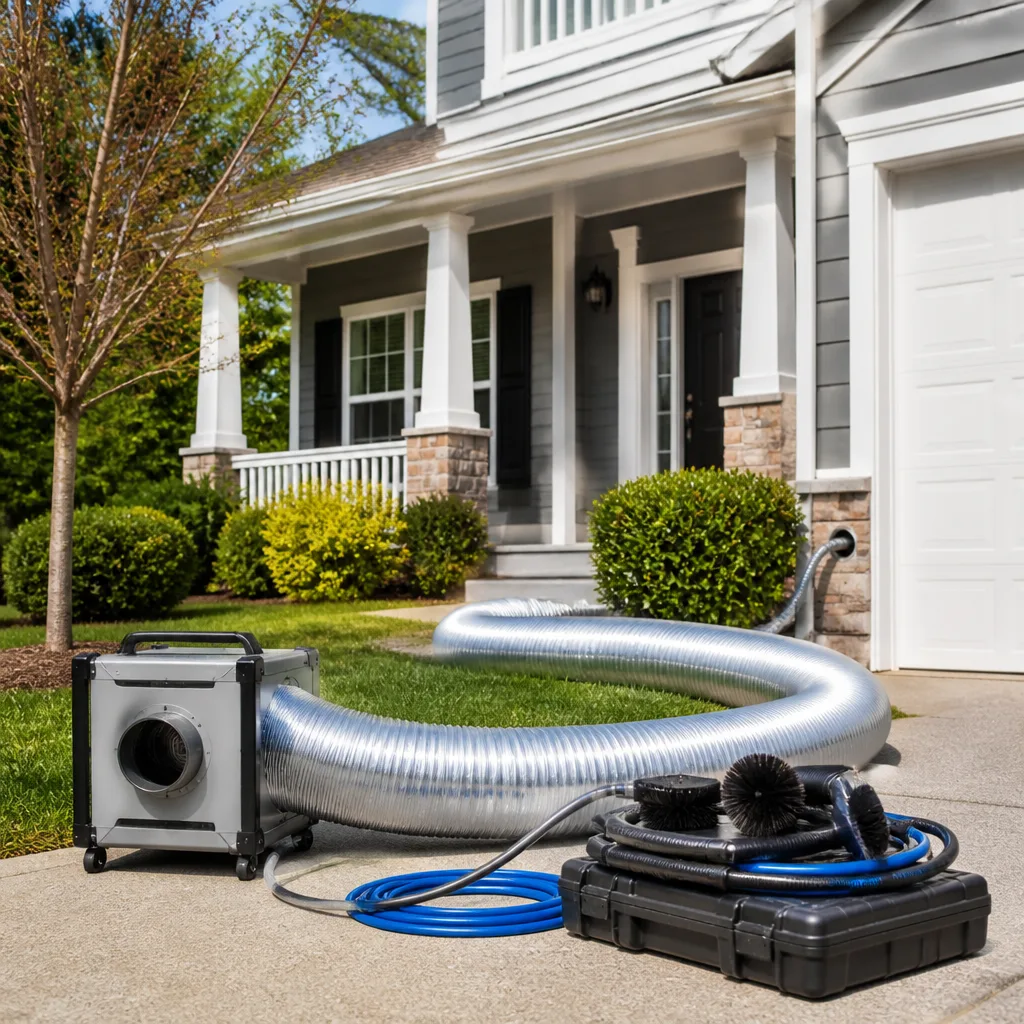 Whole-home duct cleaning
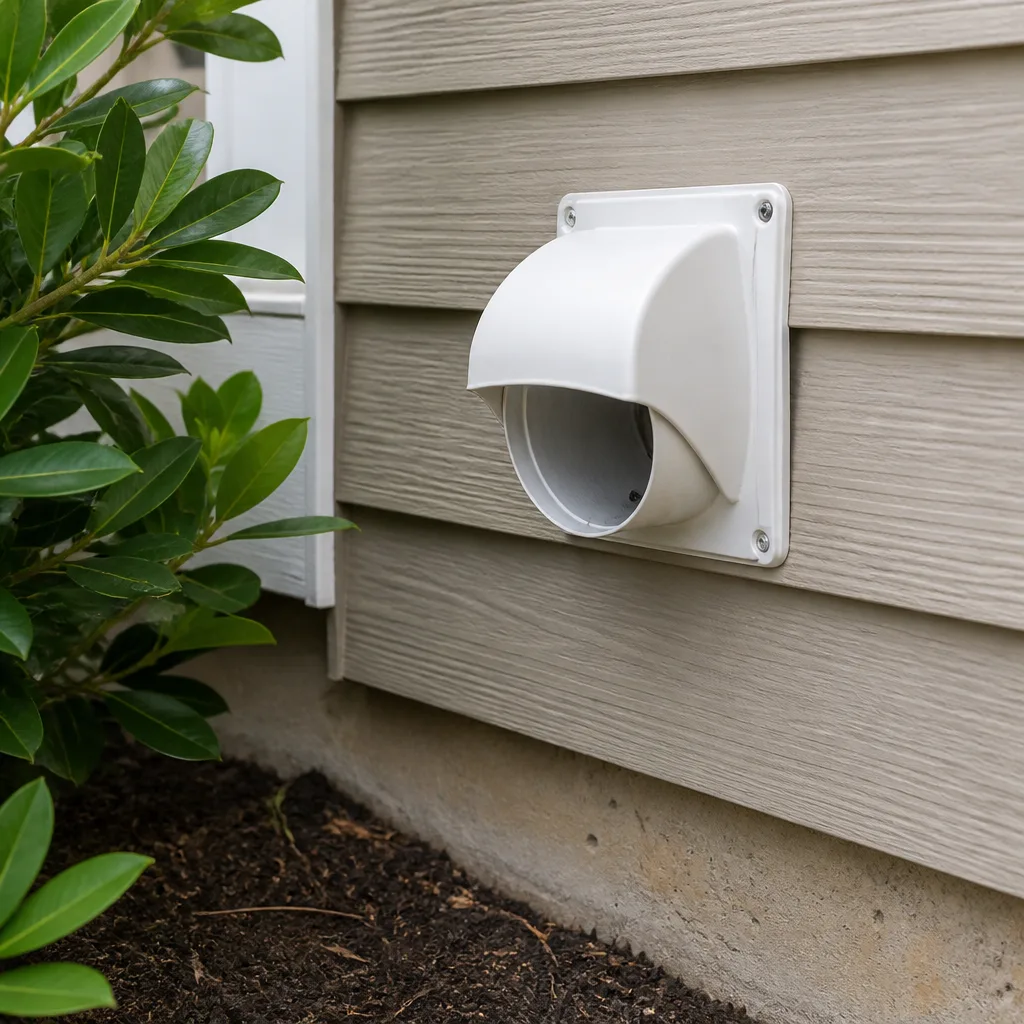 Dryer vent cleaning
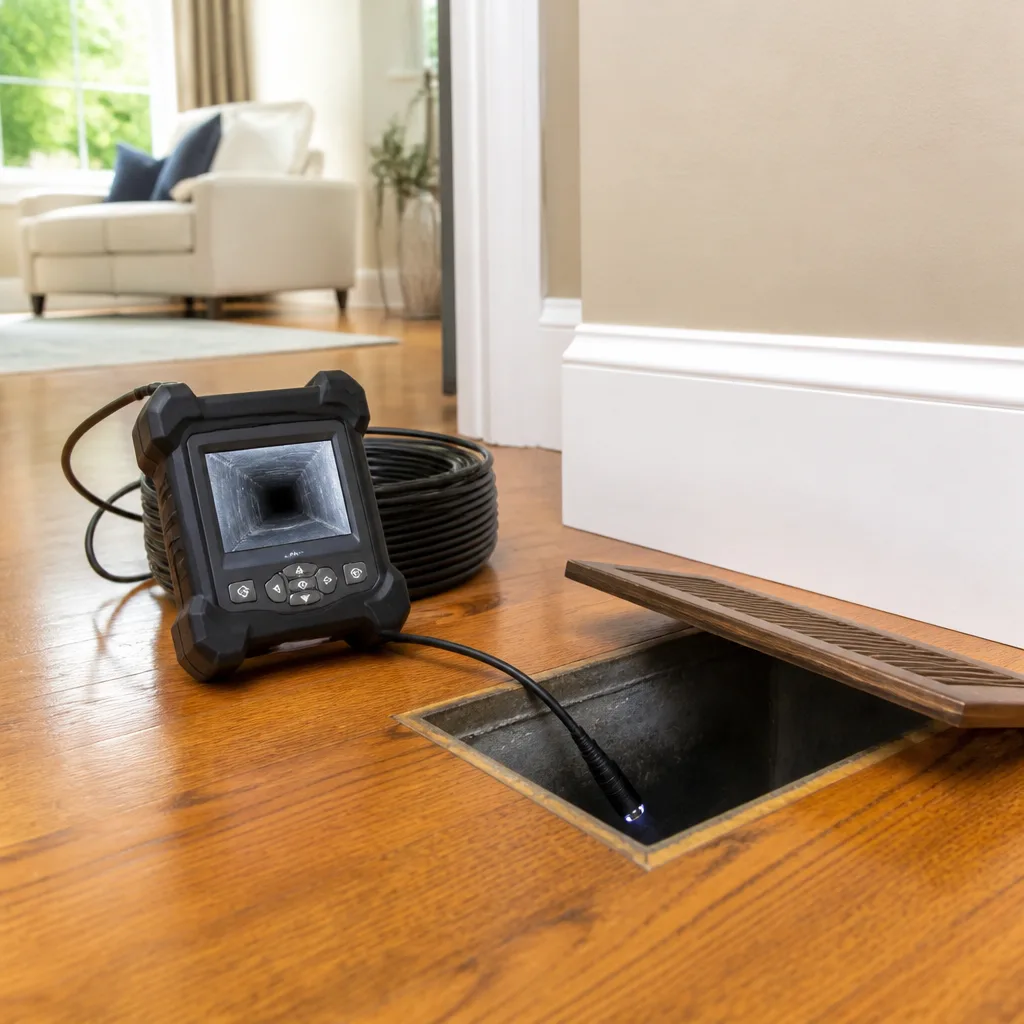 Camera inspection
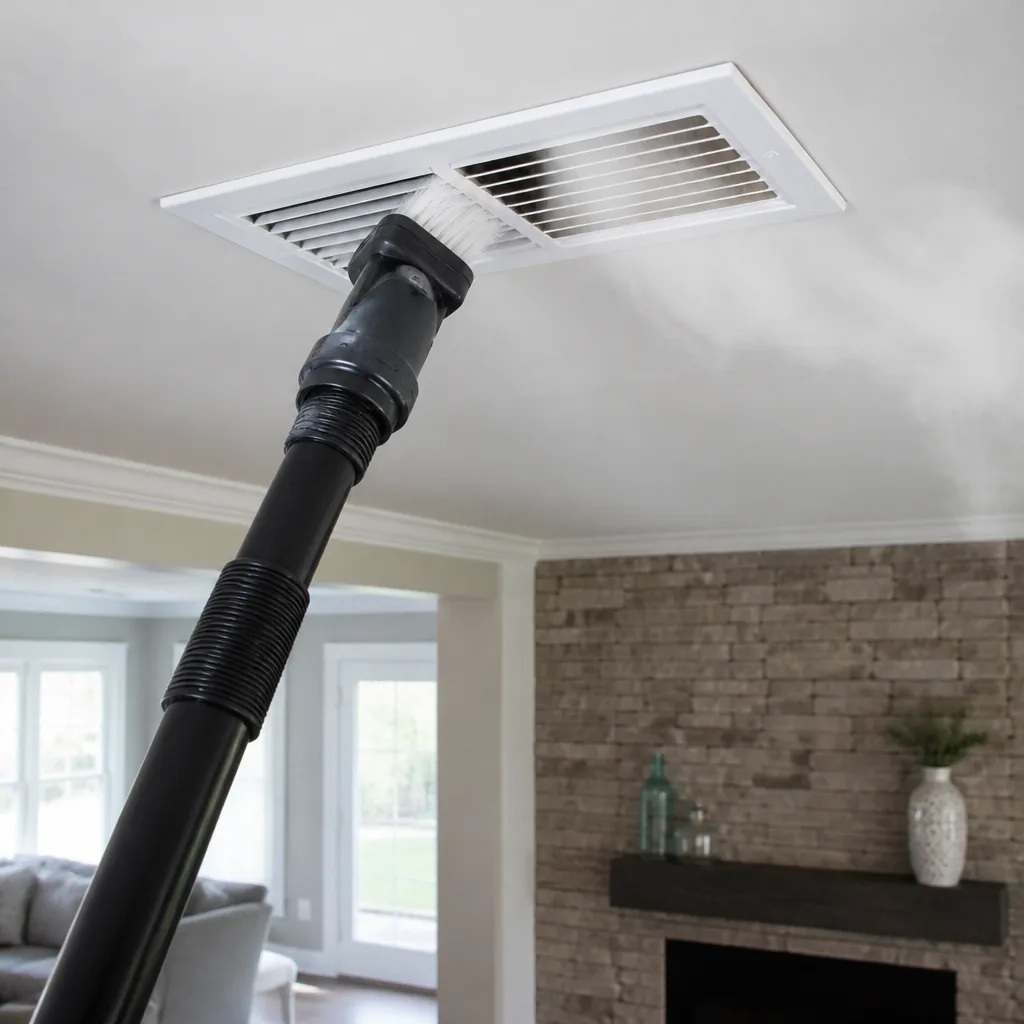 Sanitizing & deodorizing
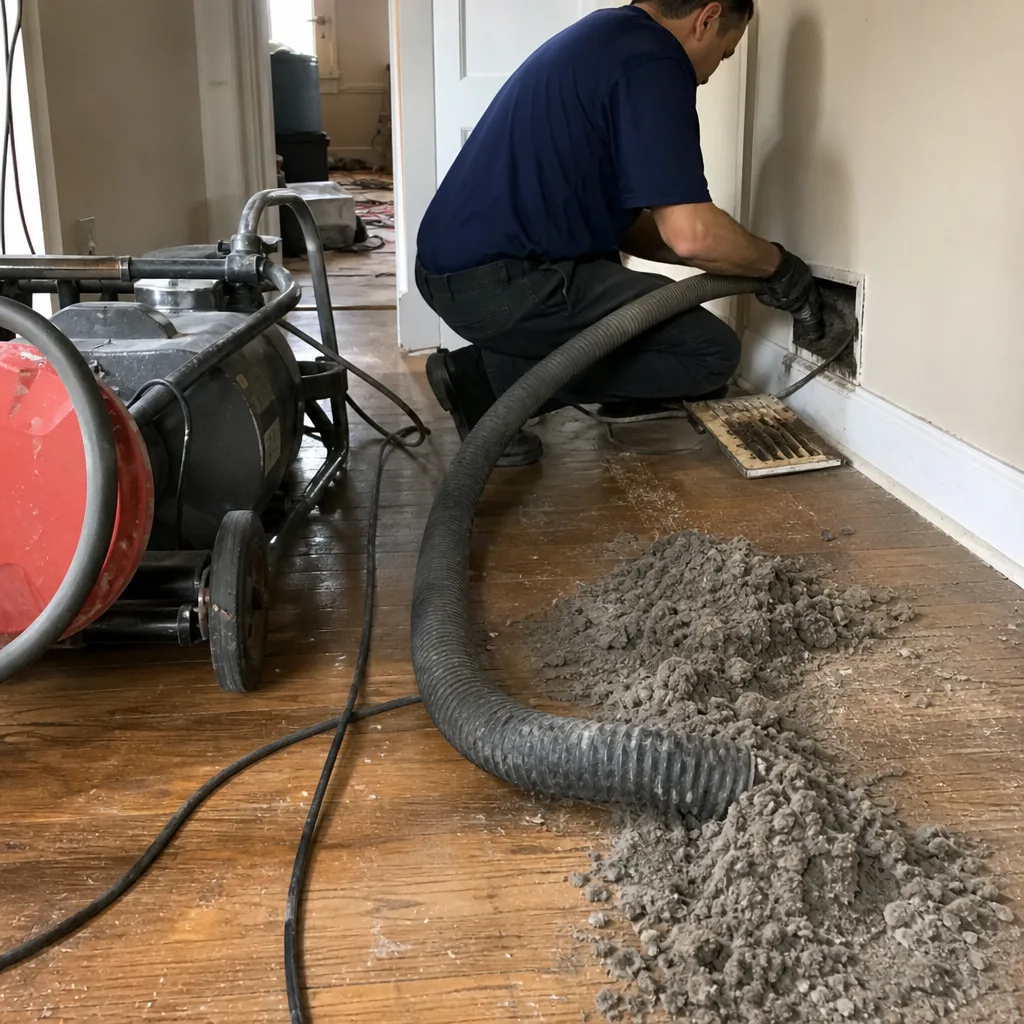
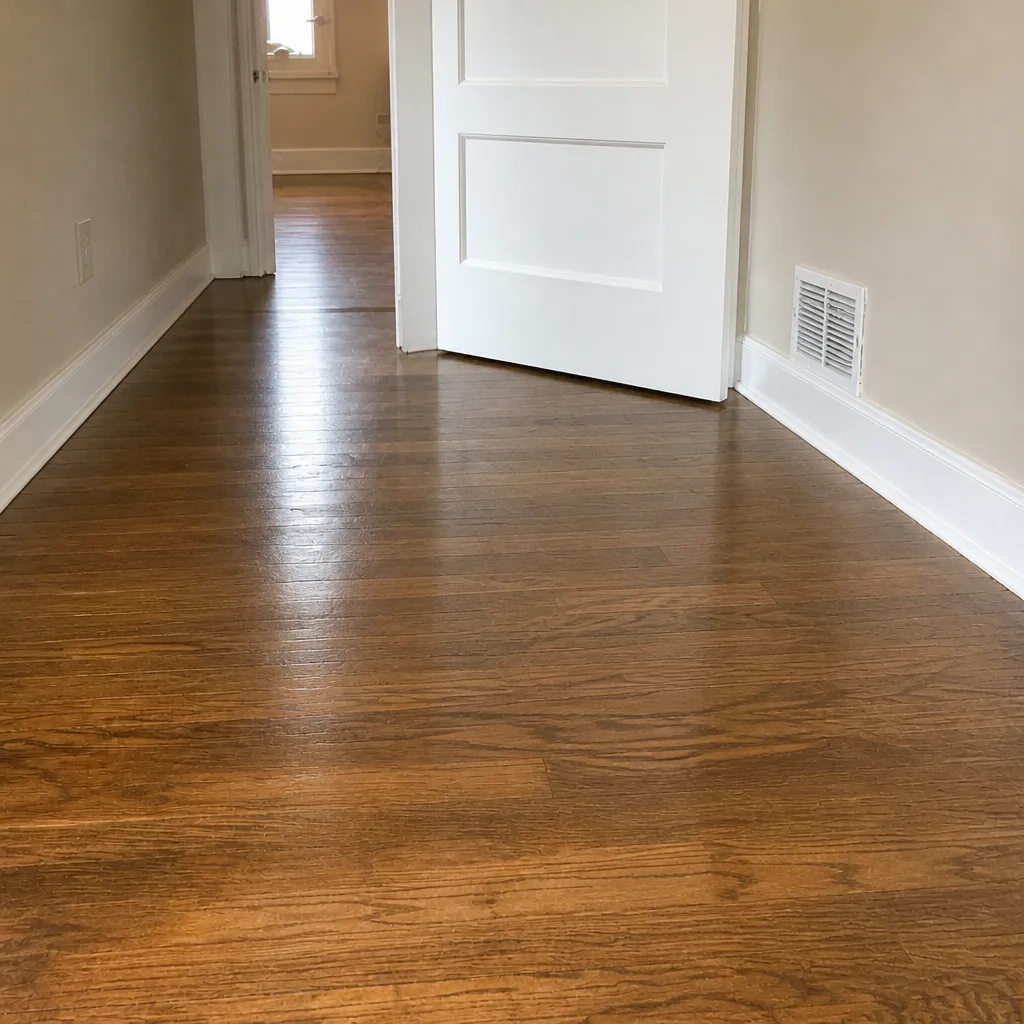
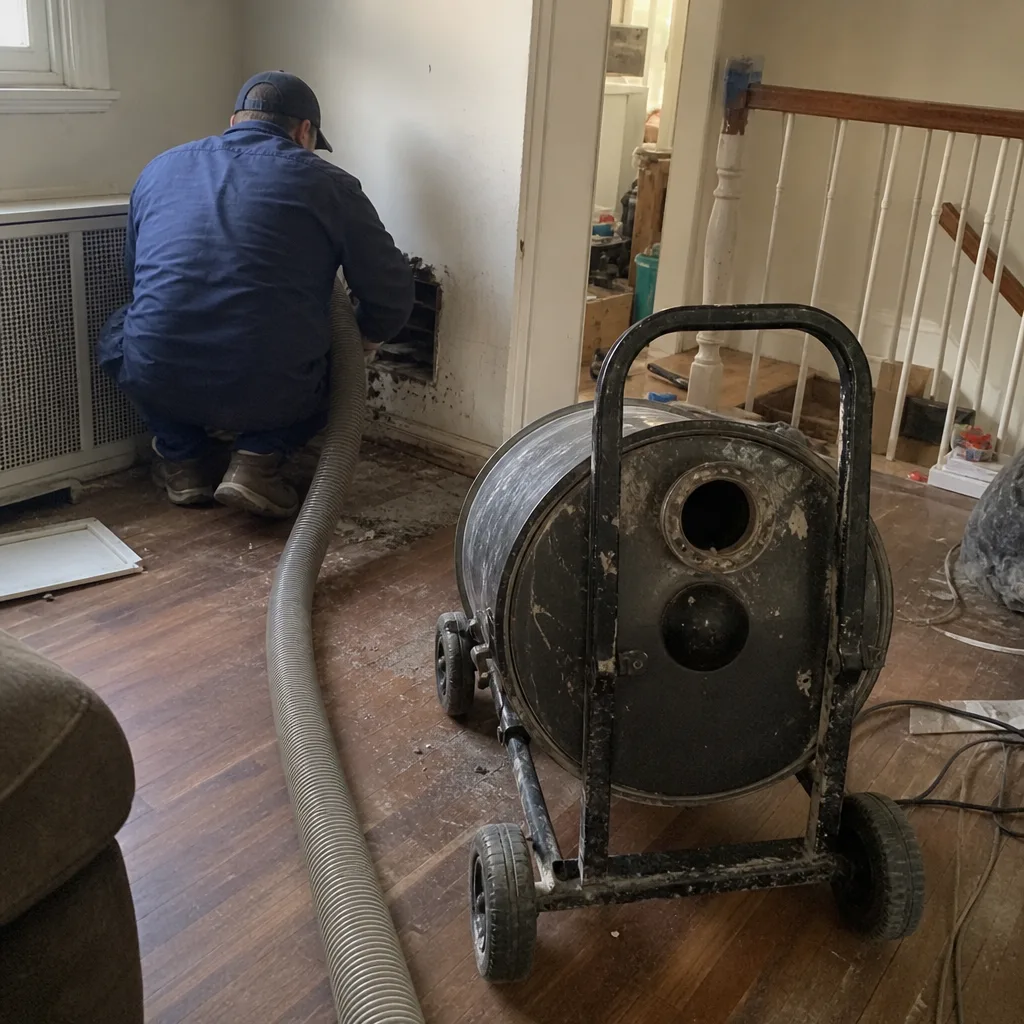
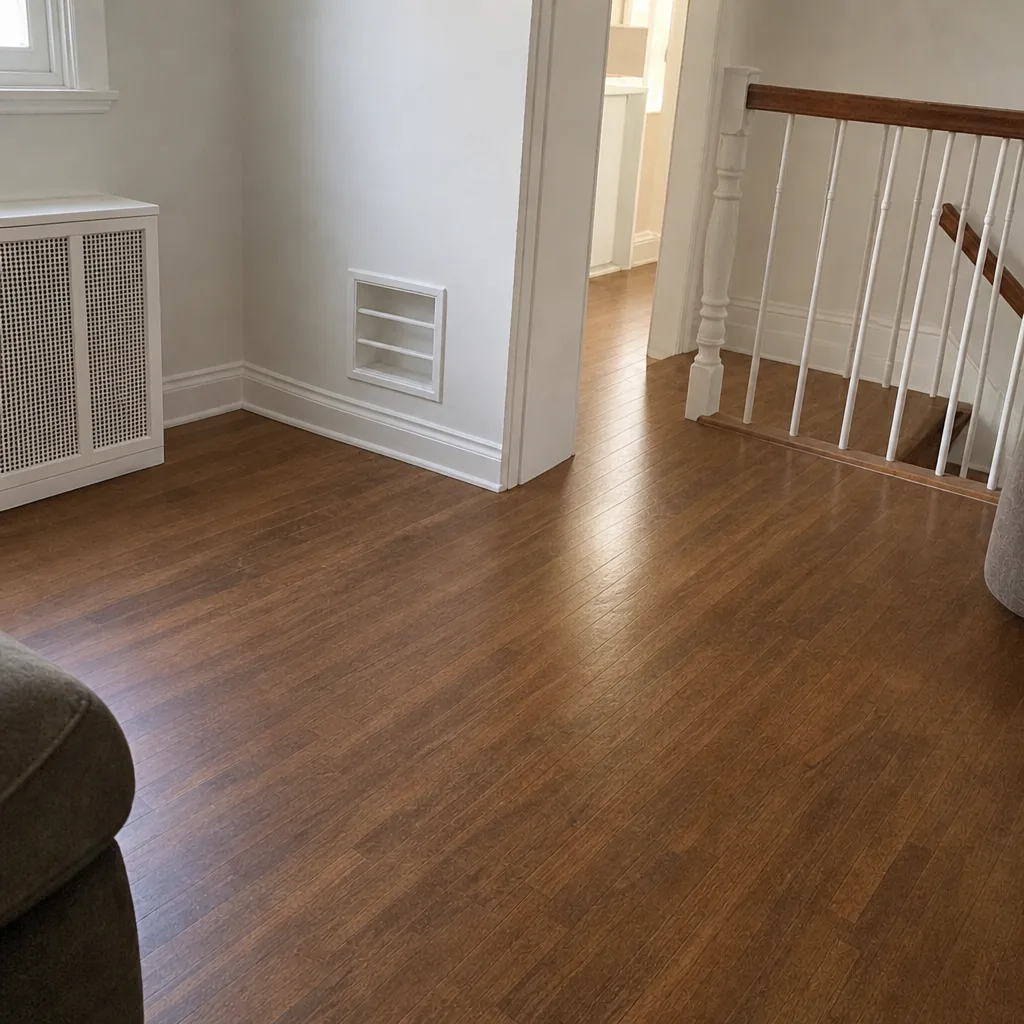
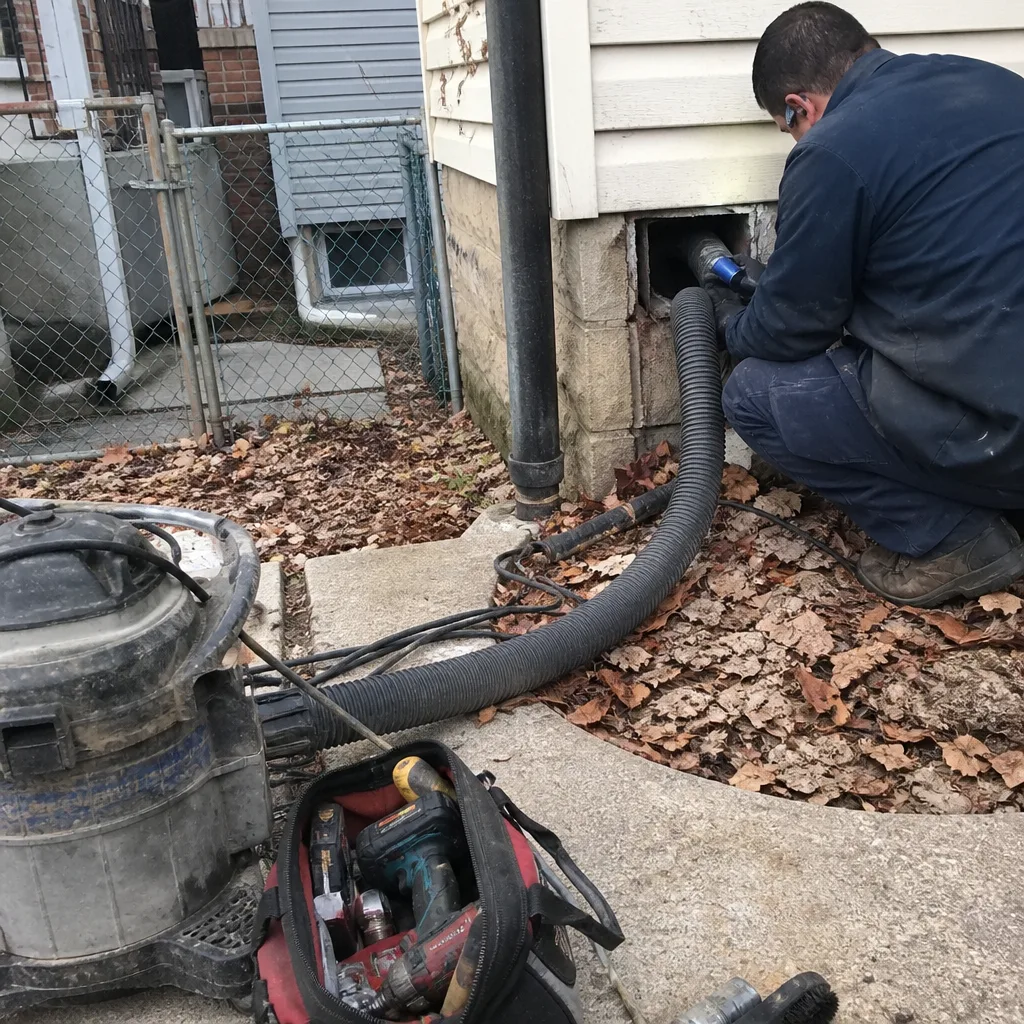
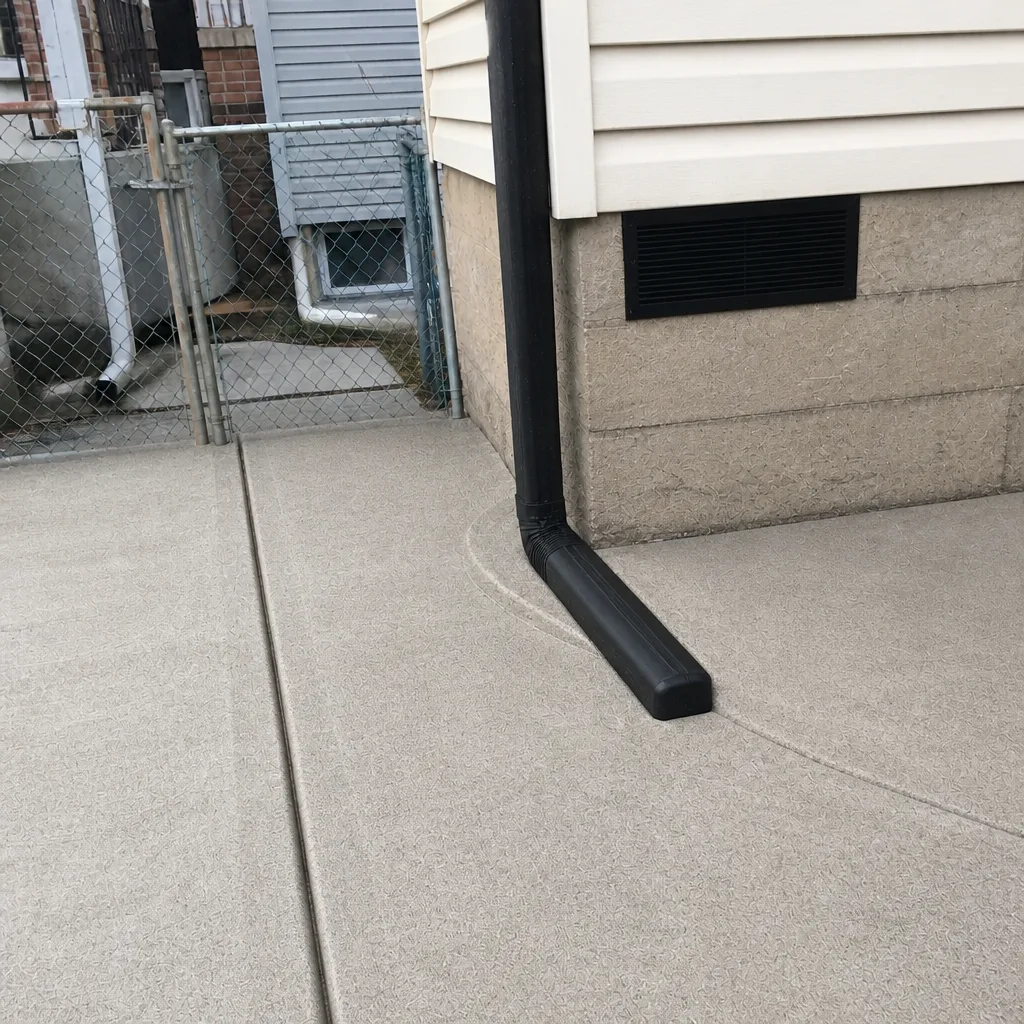
Whole-system duct and dryer vent check with before-and-after photos - you see exactly what came out of your vents
That "$99 whole-house special" is a bait ad - the real number appears once they are in your hallway, or the "clean" is a shop-vac at the register. We photograph the inside of your ducts before and after instead.
DIY vs Professional Air Duct Cleaning: The Jackson Heights Homeowner’s Decision Guide
Here’s the part most homeowners miss: a consumer drill-brush kit and a shop vac can make your ducts dirtier than you found them. Without negative pressure containment, that spinning brush and suction wand stir up fine particulate and push it deeper into branch runs instead of pulling it out. The problem isn’t your skill. It’s the physics of a residential duct system. In a Jackson Heights prewar apartment or a postwar brick two-family, the ducts are short, oddly routed, and often boxed in behind plaster, which makes the pressure question even sharper. This guide draws a clear line between the DIY tasks that genuinely help and the moment professional equipment stops being optional. By the end you’ll know exactly what to handle yourself, what to leave alone, and how to extend the time between professional cleanings in a Jackson Heights home.
Styles & brands we work with
- Whole-home duct cleaning
- Dryer vent cleaning
- Camera inspection
- Sanitizing & deodorizing
Quick Answer
DIY air duct cleaning works well for surface-level maintenance that never enters the duct interior: vacuuming supply and return registers, changing or washing return filters, and doing a visual check with a camera scope. Professional cleaning becomes necessary when contamination sits inside the duct runs themselves, when the system has flexible duct, known mold or rodent evidence, or insulation that may contain asbestos in a pre-1978 Jackson Heights building. The dividing line is negative pressure – consumer equipment can’t generate enough of it to move contamination out of the system rather than through it.
Table of Contents
- What Does Negative Pressure Actually Mean in Duct Cleaning?
- What DIY Duct Tasks Are Genuinely Effective?
- When Does DIY Air Duct Cleaning Become Counterproductive?
- The Equipment Gap: A $200 Kit vs a Professional Rig
- Why Jackson Heights Buildings Change the Decision
- How a Professional Air Duct Cleaning Actually Works
- How to Use DIY Maintenance to Extend the Interval
- Common Mistakes to Avoid
- When to Call a Professional
- Frequently Asked Questions
- The Bottom Line
What Does Negative Pressure Actually Mean in Duct Cleaning?
Negative pressure is a controlled vacuum state in which the pressure inside the duct system is lower than the pressure in the room around it. Air – and the contamination suspended in it – wants to move from high pressure to low pressure. So when a professional rig creates negative pressure at the main trunk, dust, debris and fine particulate get pulled toward the vacuum source and out of the system rather than being stirred into the living space. That’s the whole ballgame.
Consumer tools invert this. A shop vac with a brush attachment running inside a branch generates local turbulence but no system-wide pressure differential, so loosened dust drifts back along the duct or escapes into the room. In our experience, the results look clean from the register and haven’t moved the contamination at all.
To generate meaningful negative pressure inside a residential duct system, three conditions have to be met:
- Sealed access. The vacuum connection must be sealed to the main trunk or a designated access port so the whole system becomes one pressure envelope.
- High CFM airflow. Commercial duct rigs move well over 4,000 cubic feet per minute. A consumer shop vac moves a few hundred at best.
- Agitation in tandem. A rotating brush or air whip loosens material while the negative pressure pulls it out – the two happen at the same time.
A Rotobrush or Nikro rig is built to hit all three inside a residential system, not just a factory floor. That’s the whole reason those two brands show up in restoration and abatement work, and it’s the standard we hold our technicians to in Jackson Heights. In a typical Jackson Heights brick building, the trunk runs are modest in length, so negative pressure propagates fast once the system is sealed – which is exactly why the pressure approach works so well here when it’s done right.
What DIY Duct Tasks Are Genuinely Effective?
There are three things homeowners can and should do between professional cleanings. None of them enter the duct interior. All of them slow the rate at which the system gets recontaminated.
1. Register and return grille cleaning
Register grilles and return grilles are the visible entry points and visible exit points. Pop them off, wash them with mild soap and warm water, dry them fully, then reinstall. Do it about every two to three months in a Jackson Heights apartment or house, and more often in summer when the AC is running hard and the window frames are open. This won’t clean the ducts, but it stops the gunk that has already settled on the grille from blowing back into the air.
2. Return filter maintenance
The filter at the air handler is the single biggest variable in how fast your ducts get dirty. A clogged filter starves the system of airflow and forces air to find other paths through every gap and loose joint. Check the filter monthly. Replace or wash a standard 1-inch filter every one to three months. If you’ve upgraded to a thicker media cabinet filter – Aprilaire and Honeywell both make filtration systems that take 4-inch to 5-inch filters – you can stretch the interval, but a technician should still check the fit and the static pressure reading, because thicker filters that don’t match the cabinet cause exactly the airflow problems you were trying to avoid.
3. Visual inspection with a camera scope
A cheap USB scope (many are under a hundred dollars and plug into a phone) lets you look inside a branch run through a register opening. You’re not cleaning. You’re assessing. You want to see whether the duct interior is dust-filmed, coated with dark or fuzzy growth, or showing rodent droppings or chewed insulation. Any of the latter three are reasons to call a professional, not reach for a brush. Camera-scope inspection is also how you get real proof that a cleaning job was actually done – see air duct cleaning for the way a professional documents before and after.
When Does DIY Air Duct Cleaning Become Counterproductive?
There are three situations where a homeowner-run cleaning isn’t just a waste of an afternoon – it actively works against you.
Flexible duct systems
Flexible duct has an inner liner held taut by a wire helix. Rotating brushes catch the liner, and once it’s snagged or torn, the flex drops out of shape, kinks, and loses real airflow. There’s no way to repair a torn flex liner from outside. It has to be replaced. A professional rig sets its agitation to the material and pulls gently rather than scrubbing. Consumers can’t make that calibration.
Known mold or rodent contamination
If you see dark growth, smell a musty odor near a register, or find droppings in the return, stop. Cleaning that’s done without the right containment setup puts spores and dust into the air at higher concentration than before you started. This is a job for a professional with negative-pressure containment and a sanitizing step using a product meant for the job – the sanitizers we use come from Abatement Technologies and Guardsman, both built for environmental remediation work rather than hardware-store spray bottles. Call a professional. This falls squarely in the territory of air duct cleaning in Jackson Heights done right, not a weekend project.
Pre-1978 buildings with potential asbestos in duct insulation
Jackson Heights has a large stock of prewar and early postwar buildings – a great many of them went up before 1978, and some used insulation materials that may contain asbestos. If you’re in a pre-1978 apartment or house and you don’t know what your duct wrap or interior lining is made of, do not disturb it. Any brush or vacuum that scrapes asbestos-containing material releases fibers that stay airborne. Have the material tested first, then let a trained abatement-informed professional handle the cleaning with the right containment. This is a hard line, not a preference.
The Equipment Gap: A $200 Kit vs a Professional Rig
The gap isn’t about brand names on the side of a machine. It’s about three things a consumer kit cannot do at any price: sustained high CFM, system-wide sealing, and agitation calibrated to duct material.
- Airflow volume. A hardware-store drill-brush kit is a brush on a cable with no vacuum at all. A consumer shop vac pulls maybe a few hundred CFM at the nozzle. A commercial Rotobrush or Nikro rig with a sealed trunk connection operates well above 4,000 CFM and holds that airflow while the brush rotates.
- Containment. No consumer kit creates negative pressure across the whole system. Professional equipment does, which is what keeps contamination moving toward the vacuum instead of back into the room.
- Agitation control. Professional equipment has adjustable rotary speed and interchangeable whips for metal, flex, and rectangular duct. Consumer brushes are one size and spin at one speed.
- Access creation. Professional cleaning sometimes requires cutting small access holes at strategic points along the trunk and resealing them with proper plugs afterward. Homeowners can’t do that without leaving leaks that will undo the cleaning within months.
That’s the honest version. A $200 kit can clean a grille. It can’t clean ductwork. Professionals pair the rig with the right sanitizers and filters – the abatement-brand sanitizers, and Honeywell or Aprilaire filtration integration, are the same ecosystem a restoration crew works in – so the cleaning results don’t get wiped out by aeration the next day.
Why Jackson Heights Buildings Change the Decision
Jackson Heights is not a generic American suburb. The housing types here shape how duct cleaning plays out, and they’re worth understanding before you decide DIY vs. professional.
- Prewar apartment buildings. Many Jackson Heights apartment buildings went up in the 1910s through the 1940s. Ducts in these buildings are often short, hidden inside plaster walls and boxed soffits, and fed by a central system or individual RTUs that run to multiple units. Access is limited. Material is sometimes original. Pre-1978 asbestos questions are real and specific here, not a hypothetical.
- Postwar brick two- and three-families. Common throughout Jackson Heights and the surrounding blocks, these typically have forced-air furnaces with short trunk runs and a handful of branches per floor. The shorter the duct run, the more effective negative pressure is – which makes professional cleaning pay off harder when it’s actually needed.
- Co-op and condo rules. In a Jackson Heights co-op or condo, duct work usually crosses from your unit into a shared shaft or common wall. Any invasive access, hole-cutting, or work in the common element needs board approval and, in some buildings, a licensed contractor. Building rules vary block to block, so check with your managing agent before scheduling anything that goes beyond surface work.
- Winter heating season. Between November and April, Jackson Heights forced-air systems run almost continuously. That’s the same stretch when return filters clog fastest and dust settles most heavily on inner duct surfaces. A pre-season professional cleaning in early autumn, followed by consistent filter changes through the winter, is the pattern that delivers the most indoor air quality improvement for the money.
- Summer humidity. New York summers push indoor humidity into ranges that feed mold growth inside duct liner when cool air meets warm shelf spaces. If a Jackson Heights home has a musty smell near a supply register in July, that’s not a sign to run a DIY brush through it. That’s a sign to call a professional.
None of these facts change the underlying physics. They make the case sharper. Short duct runs, hard access, and mixed building ages mean the number of variables a homeowner has to control is larger than in a clean new build in the suburbs.
How a Professional Air Duct Cleaning Actually Works
Knowing what a real professional cleaning looks like makes it easier to separate an honest company from a coupon operation. Here’s the sequence.
- Inspection. A technician walks the system with a camera scope and records the condition of the trunk, branches, returns, and the air handler. Photos before anything is touched.
- System isolation and sealing. Access ports are established at the trunk and return. A high-CFM vacuum truck or portable rig is sealed to the system so negative pressure propagates everywhere at once.
- Agitation and extraction. A rotary brush or air whip moves through each branch, loosening material while the negative pressure pulls it out. The technician works branch by branch, not in a random pattern, so the pressure envelope stays intact.
- Air handler cleaning. The blower, coil (where accessible), and interior cabinet are cleaned. A dirty air handler recontaminates clean ducts within weeks. This is the step cheap operators skip. Our HVAC cleaning covers exactly this part of the system.
- Sanitizing. Where contamination or biological growth is present, a professional-grade sanitizer is fogged through the system. Products from Abatement Technologies and Guardsman are designed for this use – not hardware-store sprays.
- Repair and sealing. Loose joints, split flex, and gaps in the trunk get sealed. Sealant matters as much as cleaning: every leak is a place where the cleaning you paid for gets undone. That’s why we treat repair and sealing as part of a cleaning visit rather than a separate trip.
- Before-and-after documentation. A professional cleaning ends with photos of the same duct sections before and after, and a written summary of condition and any repair work performed.
Separately, if you’re having ducts cleaned and haven’t looked at your clothes dryer vent lately, that’s the other hidden pathway in a Jackson Heights home. Lint buildup inside a dryer vent is a fire hazard in every older building, and it shares the same maintenance logic as duct cleaning. Our dryer vent cleaning is the same visit-caliber work on a different airflow path.
How to Use DIY Maintenance to Extend the Interval
The honest answer to “how often does air duct cleaning really need to be done” is that it depends on the system. Manufacturers and industry guidance (NADCA is the standard-setter here) put most residential systems on a multi-year cycle, with shorter intervals for high-particulate homes. In Jackson Heights, where a lot of systems run almost continuously through a heating season of five months, a reasonable default is a professional cleaning every few years for a typical apartment and slightly shorter for a busy two-family with pets or recent renovation dust.
The way you stretch that interval is consistent surface-level maintenance. Here’s the routine that works:
- Monthly: Look at the return filter. If it’s visibly gray across the whole face, replace it. Don’t wait for the “3 months” on the package.
- Every two to three months: Remove and wash the supply and return grilles. Dry fully before reinstalling.
- Seasonally: Vacuum the outside of the air handler cabinet with a brush attachment. Don’t open it unless you know what’s inside.
- Annually: Run a camera scope through one or two register openings. You’re looking for changes – new growth, dust accumulation along the bottom of the duct, droppings. Any of those is the trigger for a professional cleaning, regardless of the calendar.
- Before a renovation: Any construction work that opens walls, pulls up flooring, or cuts into the envelope generates dust that travels straight into your duct system. Schedule a professional cleaning after the renovation is finished and dust has settled, not before. Cleaning first is money burned.
Between cleanings, that routine plus a consistently clean return filter will noticeably slow recontamination. It won’t replace a professional cleaning – nothing DIY does – but it will help you get the most out of the one you schedule.
Common Mistakes to Avoid
- Running a brush through a duct with no negative pressure. This is the single biggest mistake. The brush loosens dust but has nowhere to send it, so contamination ends up redistributed deeper into the system. Either the pressure is there or the cleaning isn’t happening.
- Skipping the air handler. Cleaning the duct runs and leaving the blower and cabinet dirty means the system recontaminates within weeks. Any quote that doesn’t include the air handler is not a complete cleaning.
- Hiring the cheapest coupon quote in Jackson Heights. A coupon that arrives at $59 or $99 almost never covers a real cleaning. The low number buys a surface pass and then the technician finds “something” that triples the invoice. Flat, per-system pricing agreed before work starts is the standard to hold a company to.
- Ignoring the return side. Most DIY cleaning focuses on supply registers because they’re visible and easy to reach. The return side is where the heaviest accumulation usually sits, and it’s the side that feeds the air handler.
- Cleaning before a renovation, not after. Especially in a Jackson Heights prewar building, drywall dust and plaster dust travel directly into open returns. Clean when the dust has settled, not before.
- Disturbing pre-1978 insulation without testing. If you don’t know whether the duct wrap or lining contains asbestos, don’t touch it. Test first.
- Accepting no documentation. A professional cleaning comes with before-and-after photos of your own ducts. If a company can’t provide them, you have no way to know the work happened.
When to Call a Professional
Call a professional if any of the following applies: you see mold growth or dark fuzzy material inside a register opening; you find rodent droppings or chewed insulation in the returns; your home is in a pre-1978 Jackson Heights building with unknown duct insulation; the system has flexible duct that could be damaged by consumer brushes; a recent renovation filled the ducts with construction dust; airflow from the registers has clearly dropped; or it’s simply been several years since the last documented professional cleaning. Call (844) 443-4566 for a free estimate. We answer 24/7. Fast dispatch from 7am to 7pm, Sunday through Friday.
We run our Jackson Heights work on industrial-grade equipment – Rotobrush and Nikro rigs, Abatement Technologies and Guardsman sanitizers, and Honeywell and Aprilaire filtration knowledge – so that the cleaning results hold up between visits. Every job comes with before-and-after photos and a flat price per system agreed in writing before work starts.
Frequently Asked Questions
Whole-system air duct cleaning in Jackson Heights typically runs several hundred dollars for a standard apartment system and higher for a large two- or three-family with multiple zones, an air handler cleaning, and repair and sealing work included. The written estimate sets the final price. We don’t quote per-vent prices because they encourage exactly the bait-and-switch problem you’re trying to avoid. Call (844) 443-4566 for an exact quote – estimates are free.
The cheap quotes usually don’t include the air handler, don’t use negative pressure, and don’t provide before-and-after photos – the three things that make the cleaning real. A $59 coupon is a foot in the door, not a price. A legitimate cleaning priced the same way across companies includes the whole system. Call (844) 443-4566 and we’ll walk you through exactly what our flat price covers.
Ask for before-and-after photos of your own ducts. Any company doing a real cleaning takes them. A camera-scope inspection of the same duct section, before and after, tells you plainly whether the inside is clean. That’s the standard we work to, and it’s the question to ask any company you hire. Call (844) 443-4566 to schedule a free estimate that includes a documented inspection.
Most residential systems run on a multi-year cycle, but a Jackson Heights apartment or two-family with a heating season that lasts nearly five months, pets, or recent renovation dust should be cleaned more often. Watch the return filter and the register grilles. If a camera scope shows new accumulation inside the ducts, that’s the trigger. Call (844) 443-4566 for a free inspection and a written recommendation.
No – a drill-brush kit and a shop vac can’t create the negative pressure needed to move contamination out of the system rather than deeper into it. Surface-level work (register cleaning, filter changes, camera-scope inspection) is genuinely useful for a homeowner. Interior duct cleaning needs professional equipment. Call (844) 443-4566 for an estimate and we’ll be honest about whether your system needs it.
Yes. Pre-1978 buildings can have insulation materials that may contain asbestos, and any cleaning that disturbs them has to be handled with the right containment. Access is also tighter, and some work touches shared shafts or common walls that need co-op or condo board approval. Confirm the building rules and the duct material first, then call (844) 443-4566 for a free estimate.
The Bottom Line
The DIY vs professional decision for air duct cleaning in Jackson Heights comes down to one question: does the work need negative pressure to actually move contamination out of the system? If the answer is yes – and for anything inside the duct runs, it is – then professional equipment isn’t a luxury, it’s the physics of the job. Homeowners can do real good with register cleaning, return filter maintenance, and camera-scope inspection between professional cleanings. Those three habits slow recontamination and tell you when the next cleaning is actually due. What they can’t do is replace the professional visit. When that visit comes, hold the company to negative pressure, air handler cleaning, before-and-after photos, and a flat price per system agreed in writing before any work starts.
If you’re ready for a documented assessment of your Jackson Heights system, call (844) 443-4566 for a free estimate. We answer 24/7. Fast dispatch from 7am to 7pm, Sunday through Friday. Our technicians have up to 9 years of experience, and we bring industrial-grade Rotobrush and Nikro equipment and Abatement Technologies sanitizers to every system we clean.
Written by the team at Air Duct Cleaning Jackson Heights.
See the difference
 Before
 After
 Before
 After
 Before
 After