
Last updated November 22, 2026
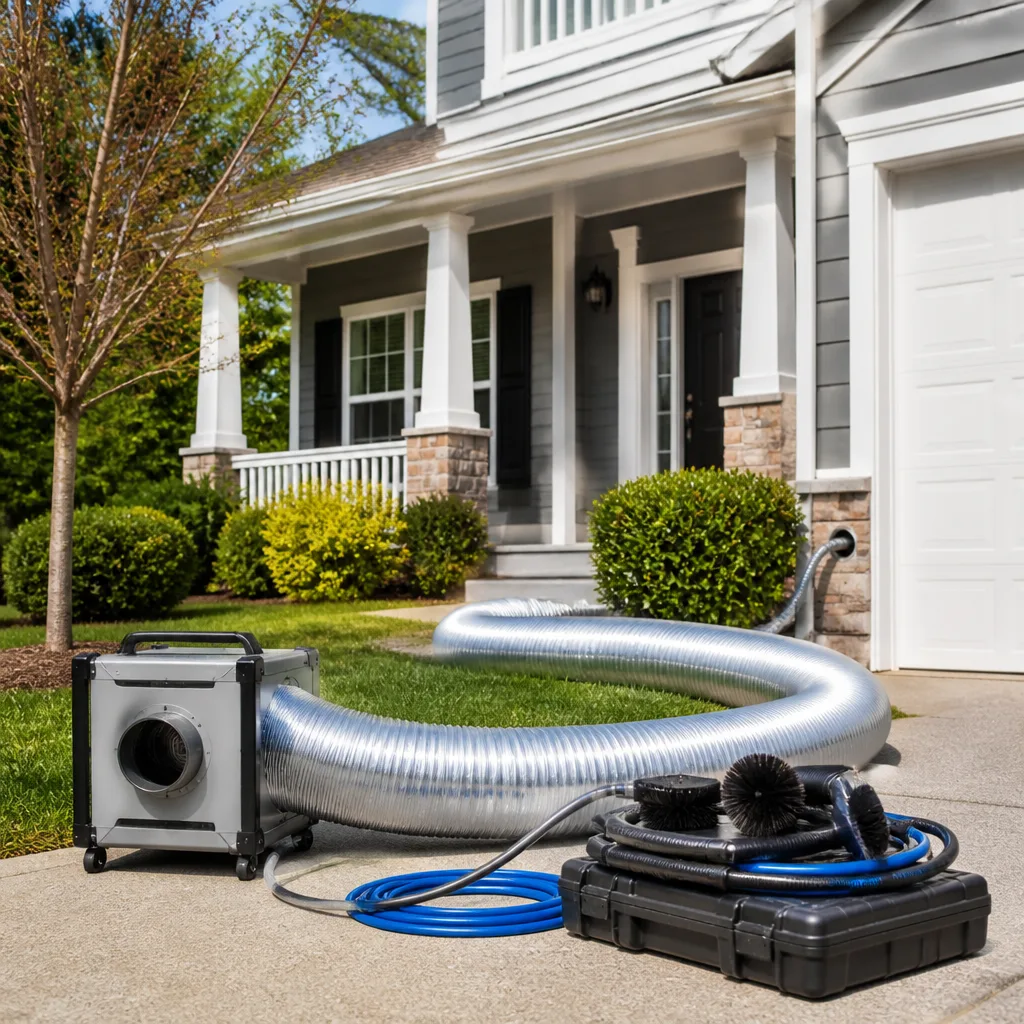 Whole-home duct cleaning
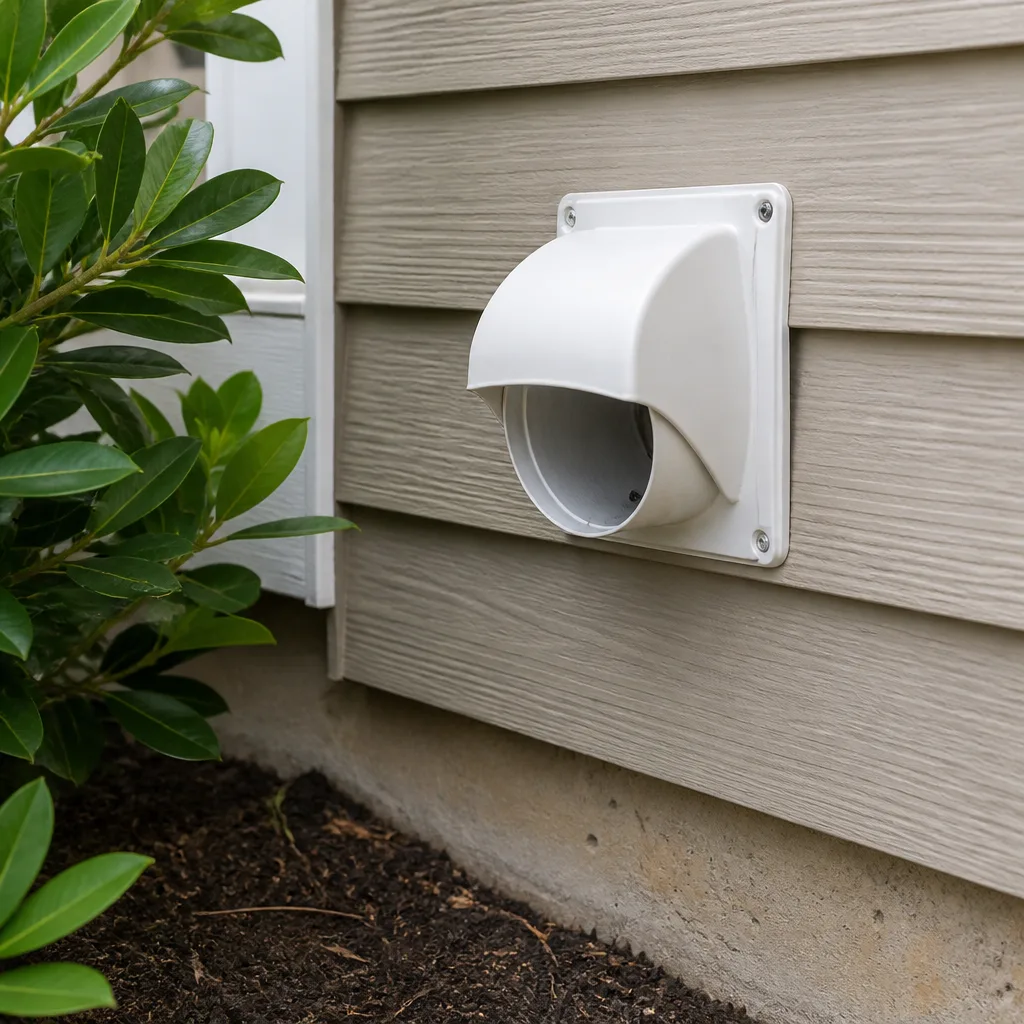 Dryer vent cleaning
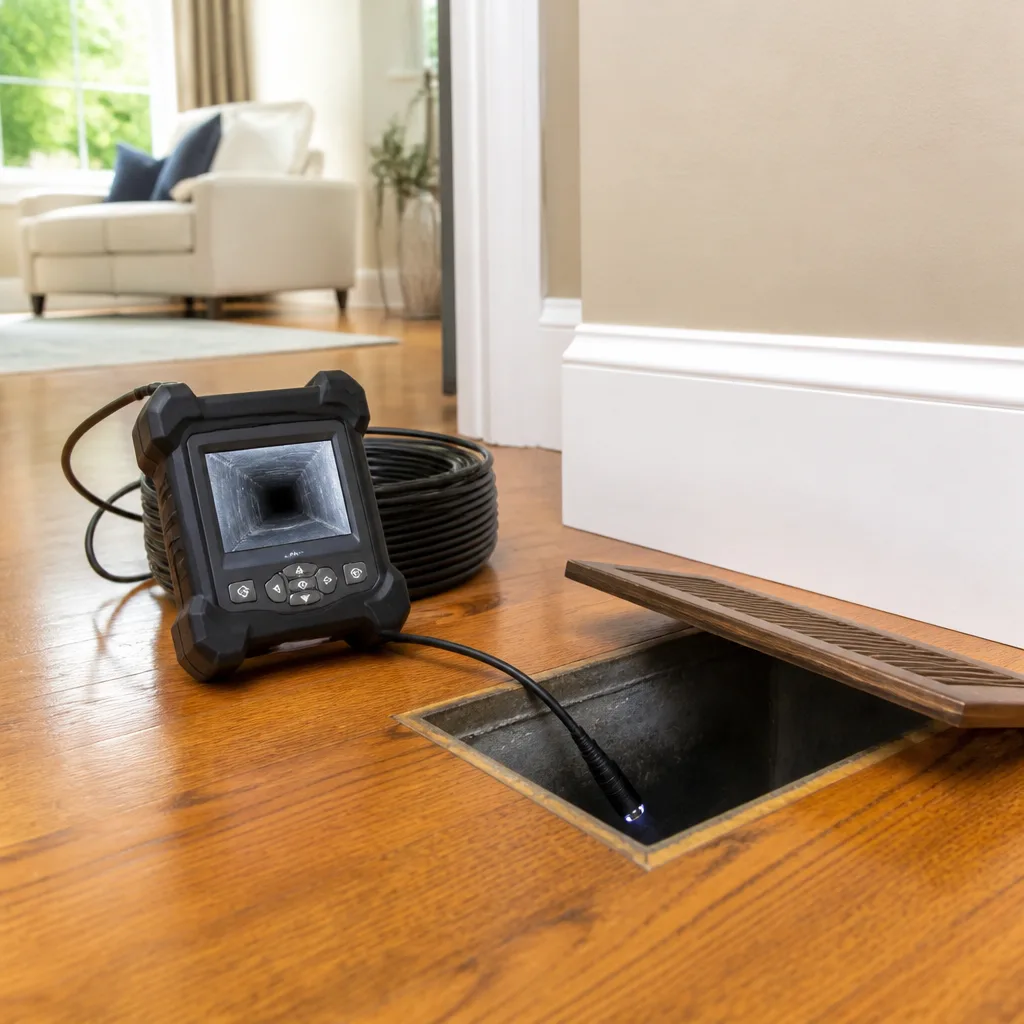 Camera inspection
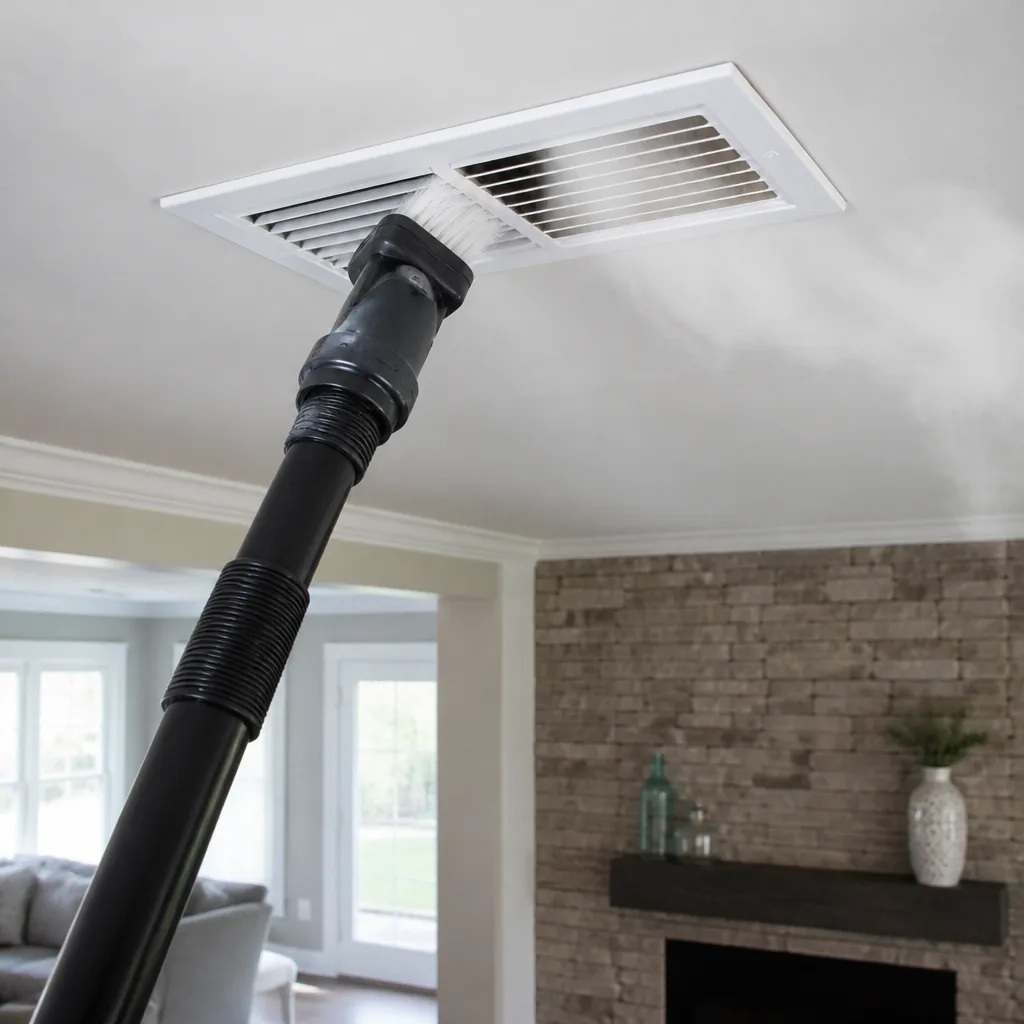 Sanitizing & deodorizing
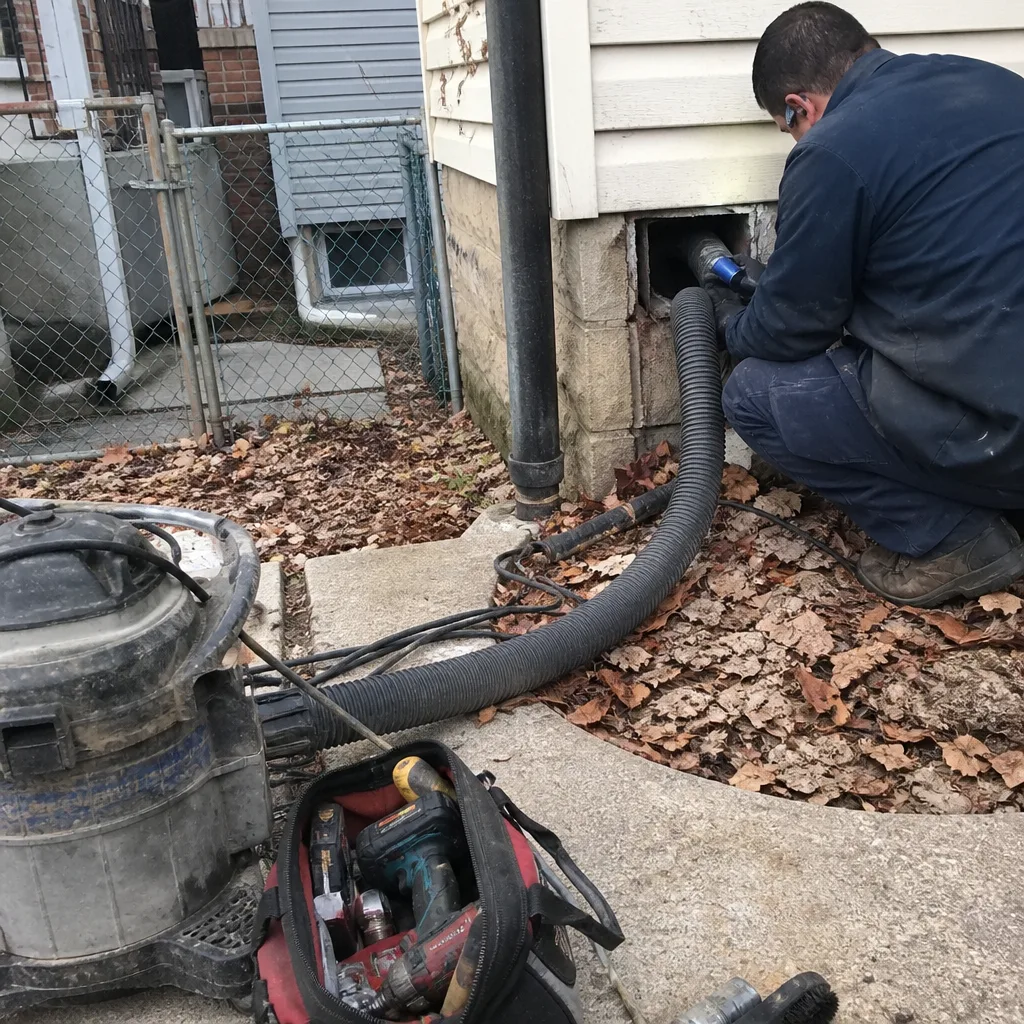
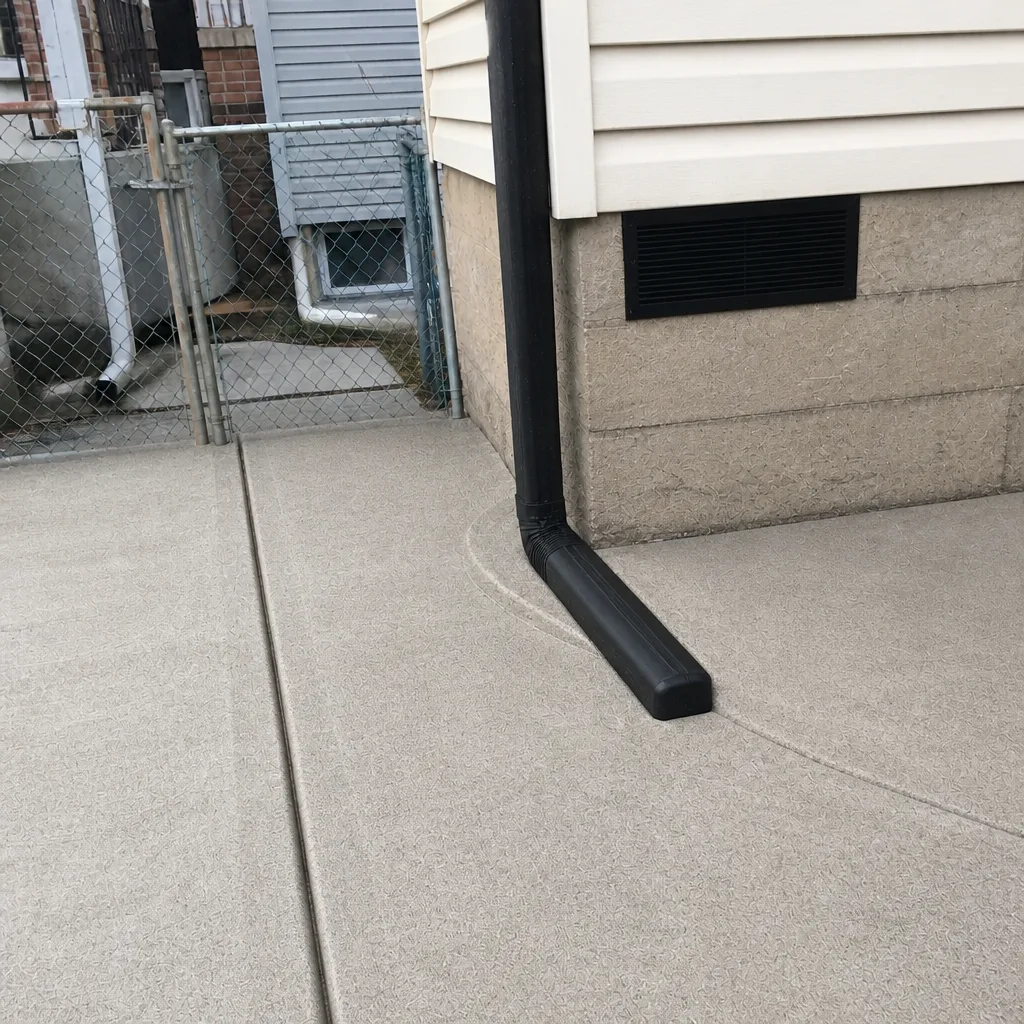
Whole-system duct and dryer vent check with before-and-after photos - you see exactly what came out of your vents
That "$99 whole-house special" is a bait ad - the real number appears once they are in your hallway, or the "clean" is a shop-vac at the register. We photograph the inside of your ducts before and after instead.
Seasonal Air Duct Cleaning Care for Jackson Heights: Year-Round Homeowner’s Guide
Most people think about their ducts once, usually after something goes wrong. That’s backwards. The worst time to discover your ducts are coated in mold-supporting debris is mid-July, when the air is thick and humid and every register is pushing that smell back into the room. But that’s exactly when most Jackson Heights residents first notice it. By then the problem has been building for months. This guide walks through the four indoor-air seasons that shape Jackson Heights ductwork and assigns specific work to each one, so you’re catching problems in the shoulder months instead of reacting in the middle of a heat wave.
Quick Answer
Air duct cleaning in Jackson Heights is best scheduled in late fall, right after the heating switchover, and again in late spring before the humid months arrive. Between professional visits, the seasons give you specific things to watch: pollen and construction dust in spring, humidity above 60% RH in summer, the burn-off smell during the first 48 hours of heating in fall, and static-driven fine dust in winter. A year-round schedule front-loads inspection in fall and puts the deep clean at the shoulder of the season.
Styles & brands we work with
- Whole-home duct cleaning
- Dryer vent cleaning
- Camera inspection
- Sanitizing & deodorizing
Table of Contents
- Why Seasonal Duct Care Matters in Jackson Heights
- Spring: Pollen, Construction Dust, and Register Protection
- Summer: The 60% Humidity Threshold
- Fall: The Heating Switchover Inspection
- Winter: Dry Air, Static, and Fine Particulate
- How to Build a Full-Year Cleaning Schedule
- Neighborhood-by-Neighborhood Notes
- Common Mistakes to Avoid
- When to Call a Professional
- Frequently Asked Questions
Why Seasonal Duct Care Matters in Jackson Heights
Jackson Heights sits in a part of Queens where the air your home pulls in changes dramatically over twelve months. A dense streetscape means traffic and construction particulate are a constant, and the way those particles behave inside your ducts shifts with temperature and moisture. Heating and cooling switchovers put the system through its two biggest structural transitions of the year. If you clean on a fixed calendar without regard to the season, you’re doing the right work at the wrong moment.
Here’s what we watch in this neighborhood specifically. The housing stock varies enormously, from prewar walk-ups with original sheet metal runs to newer mid-rises where the duct layout is tighter and the air handler sits in a closet. A prewar building on 82nd Street and a condo near Roosevelt Avenue have different seasonal failure points. Older systems with seam gaps tend to pull in more outdoor particulate during spring construction season. Newer, tighter systems tend to hold moisture longer in summer. The seasonality isn’t just about what’s outside. It’s about how your building’s ducts react to it.
The other thing about Jackson Heights: the commercial corridors along Roosevelt Avenue and 37th Avenue run constant foot and vehicle traffic, and construction and renovation activity in the neighborhood is ongoing. That means the spring and fall dust load is higher here than in a quieter residential pocket of Queens. Your supply registers are pulling that material in whenever the blower runs. Seasonal care is about intercepting it before it settles into the duct walls and becomes substrate for the next problem.
Spring: Pollen, Construction Dust, and Register Protection
Spring in Jackson Heights is the season when outdoor particulate pounds your system from two directions at once. Tree and grass pollen surges, and construction and renovation dust from the surrounding streets adds a heavier, stickier component that pollen alone doesn’t have. Both get pulled into the return side of your system when the blower runs and the windows are open, and both settle out in the slower-moving sections of the duct run.
The pollen is the visible nuisance. The construction dust is the one that matters more for duct walls, because it’s finer and carries more mineral and silica content that coats surfaces and holds moisture. Once it’s on the duct wall, it becomes the base layer for whatever else arrives in summer. That’s why spring cleaning and spring protection aren’t the same thing.
What to check in spring:
- Filter condition. Change or clean your filter more often during heavy pollen weeks. A loaded filter stops catching fine particulate and starts letting it through.
- Register covers when you ventilate. If you’re opening windows to air out the home, close the supply registers in the rooms you’re ventilating so the system isn’t pulling outdoor dust straight into the run.
- Return-side dust load. Look at the return grille. A visible buildup there signals the whole run is carrying more than the filter can handle.
- Post-renovation timing. If any work happened in your building over the winter, spring is when you want a professional assessment rather than a filter change.
If pollen season means your windows are open on the same days your system is running, you’re fighting the season. Coordinate your professional air duct cleaning for late spring, after the heaviest pollen has passed but before the humidity climbs. That puts the clean ducts on the front end of the summer challenge rather than the back end.
Summer: The 60% Humidity Threshold
Above 60% relative humidity, dust and organic debris on duct surfaces stop being inert and start being a substrate for mold and microbial growth. Queens summers push indoor humidity regularly into that range, especially in older buildings without dedicated dehumidification and in apartments where the window unit runs intermittently. Once the duct wall hits that moisture threshold, what was a dust problem becomes a biological problem, and the air coming out of the register starts smelling like it.
The 60% figure is the line we use in our own assessments. Below it, most debris stays dry and stable. Above it, moisture is available and growth is possible. If your home routinely sits above that line in July and August, duct cleaning alone won’t fully solve it. You need to address the humidity itself alongside the ductwork.
What to monitor in summer:
- Indoor humidity. Any cheap hygrometer will tell you where you stand. Track it on the hottest, muggiest days rather than the comfortable ones.
- The first-30-seconds smell. When the AC kicks on, note whether the first air coming out has a musty or damp odor. That’s the register answer before the nose acclimates.
- Window unit drainage. A window or through-wall unit that isn’t draining properly sends moisture into the room and the return path.
- Condensate line condition. On central systems, a blocked or weeping condensate line raises local humidity around the air handler and the duct connections near it.
If your readings stay above 60% RH through the summer, pairing duct cleaning with a humidity-control system is the right call. We work with Aprilaire and Honeywell controls and understand how a dehumidifier or a properly set thermostat interacts with clean ductwork. Cleaning a duct system and then letting it sit above 60% all summer is work wasted. Our full-spectrum approach is a HVAC cleaning tied to the humidity control, not a standalone brush-and-vacuum.
Fall: The Heating Switchover Inspection
The single most useful thing you can do for your ducts all year is inspect them in early fall, before the heating system takes over. This is the switchover moment. Once heat comes on for the season, your forced-air system will typically produce a distinct smell for the first 48 hours, and that smell is worth understanding rather than ignoring.
What burns off during that first 48 hours is the accumulated summer residue on the heat exchanger, the air handler interior, and the duct surfaces nearest the equipment. Dust, pollen, fine construction particulate, and whatever biological material settled during the humid months all get heated. The smell is the signature of that material cooking off. In a well-maintained system, it’s mild and fades. In a system that has been carrying a heavy summer load, it can be stronger and persistent, and that’s a signal.
The fall inspection checklist:
- Walk the system for the first 48 hours of heating. Note whether the smell fades entirely by day three or lingers.
- Look at the register diffusers. A dusty film on the diffuser after the first week of heating tells you what’s moving through the run.
- Check the air handler area. Access panels should be secure, and there should be no visible dust fall or moisture at the base of the unit.
- Schedule the professional assessment. Fall is the optimal point to clean, because you clear the summer’s biological load and put clean ductwork in front of the dry winter.
We front-load fall on purpose. Cleaning in October or early November means the system enters winter with clean surfaces and no moisture substrate. It also means any duct repair or sealing work happens before the heating season stresses the system. If you’re looking at the broader service, our air duct cleaning in Jackson Heights covers the full system, and pairing it with a duct repair and sealing visit addresses the seam gaps that let outdoor dust back in.
Winter: Dry Air, Static, and Fine Particulate
Winter changes how particulate behaves inside your ducts. Low indoor humidity lets fine dust stay airborne longer and lets it adhere to duct walls differently than in the humid months. You also generate more static electricity in dry air, and static charge attracts fine particulate to surfaces. The result is a thin, stubborn film on duct walls that the summer’s heavier debris doesn’t leave behind. It’s less visible but harder to dislodge.
Winter is also when your heating system runs most consistently, which means the blower is moving air through the run for hours at a stretch. Any dust that builds up on the interior surfaces gets continuously redistributed. A home that felt clean in October can feel dusty by February, and the source is often not the room but the system.
Winter tasks:
- Keep indoor humidity in a reasonable band. Neither bone-dry nor overly humid serves you. Dry air worsens static; damp air feeds growth.
- Run the system fan consistently. Intermittent fan operation lets dust settle; steady operation keeps it in the filter’s path.
- Change filters on the seasonal schedule. Winter filter loading is heavy because the system runs longer.
- Watch for new dust patterns. Dust accumulating on the same wall or ceiling near a register suggests an imbalance in the run.
For homeowners who want to reduce winter fine-dust load at the source, an upgraded filtration setup is worth discussing. Honeywell and Aprilaire filtration products integrate with your existing system, and because we understand how filtration interacts with the duct interior, we can advise on the filter that matches your run rather than the one that happens to be on sale. Winter isn’t the season for a deep clean. It’s the season for maintenance, monitoring, and letting the fall work do its job.
How to Build a Full-Year Cleaning Schedule
The right schedule front-loads the inspection in fall and puts the professional deep clean at the optimal point in the cycle. Here’s the annual structure we recommend for most Jackson Heights homes.
- September to early October: Fall inspection. Walk the system, note first-heating-season smell and register dust, and book the professional assessment. This is the anchor point of the year.
- October to early November: Professional cleaning. Deep clean with professional-grade equipment, repair any seam gaps or damaged sections, and sanitize where the summer load left a biological signature.
- November onward: Filter and humidity discipline. Manage indoor humidity, change filters on schedule, and keep the fan running consistently through the heating months.
- March to April: Spring register protection. Watch pollen and construction dust, change filters more often, close registers when ventilating, and note any post-renovation dust load.
- Late May to June: Spring cleaning window. A second professional visit before the humidity climbs, if the home has had a heavy pollen or renovation season or if the ducts carried a heavy summer load the previous year.
- July to August: Monitor the humidity line. Track RH, watch the first-30-seconds smell, and address humidity control if readings sit above 60% through the summer.
Two professional visits a year is the right cadence for a busy Jackson Heights household. One home might run on a single visit if the system is well maintained and the home stays below the humidity line. The schedule is a framework. The professional assessment tells you which visits are due.
What we see often is homeowners skipping the summer monitoring and arriving at fall with a problem already established. The fall inspection catches it, but a home that tracks humidity in July starts the fall season a step ahead. If you’re scheduling both cleaning and dryer vent cleaning, book them together. Both are duct systems, both carry seasonal fire and air-quality risk, and one visit across both is more efficient than two separate appointments.
Neighborhood-by-Neighborhood Notes
Jackson Heights isn’t uniform, and the seasonal schedule adapts to where in the neighborhood you are. Homes near the Roosevelt Avenue corridor see the heaviest outdoor particulate load because of continuous traffic and commercial activity. Spring and fall dust infiltration runs higher there, and the register protection advice matters more. Homes on the quieter residential streets off 37th Avenue run closer to the standard schedule.
Prewar walk-up buildings present a specific winter challenge. Original sheet metal duct runs tend to have more seam gaps than modern construction, and heating season pulls more outdoor fine particulate through those gaps. If your building is prewar, the fall inspection is where we look hardest at duct repair and sealing, because seam gaps that don’t show up in summer become obvious in January. Sealing those gaps reduces both the dust load and the heating cost.
Newer mid-rise buildings and condos have the opposite issue. Tighter construction holds moisture longer, which makes the summer humidity monitoring more important than the winter gap-sealing work. If you’re in a mid-rise with a mechanical closet air handler, the local humidity around that closet and its duct connections is worth checking in July and August.
For landlords and property managers, the seasonal schedule is a maintenance item you can plan for. A single visit before the fall heating season covers the whole building’s system and catches duct repair and sealing needs before winter stresses them. That’s cleaner than a mid-season emergency call. We work with homeowners, landlords, and property managers across Jackson Heights on that planning.
Common Mistakes to Avoid
- Cleaning only after the smell. By the time you smell mustiness in July, the moisture substrate has been active for weeks. Cleaning in the shoulder season prevents the smell instead of chasing it.
- Ignoring the fall switchover. The first 48 hours of heating tell you what the summer left behind. Skipping that observation means you start winter with the summer’s load still in the system.
- Running above 60% RH without addressing it. Cleaning ductwork and then letting the home sit humid all summer puts the same moisture back on clean walls. Humidity control is part of the job, not a separate concern.
- Opening windows with the system running. In spring and fall, ventilating while the blower pulls outdoor air straight into the return is the fastest way to reload the ducts. Close registers when you air out the home.
- Treating a wobbly or separated duct section as a cleaning problem. Seam gaps and loose connections let dust back in within weeks. Repair and sealing have to go with the cleaning or the work doesn’t hold.
- Assuming a filter change covers it. A filter catches what’s airborne; it doesn’t clean what has settled on the duct wall. The two aren’t interchangeable.
- Following a fixed calendar without an inspection. Every home’s seasons differ based on building type, occupancy, and how much time the system runs. The inspection is what tells you which visits are actually due.
When to Call a Professional
Call a professional when the smell persists past the first heating week, when indoor humidity sits above 60% RH through the summer, when you see visible dust fall from a register, or when a duct run has separated or shows visible seam failure. Call after any renovation or construction in the building, and call if it’s been more than a year since the system was assessed. Those are the signals that the seasonal schedule has moved from monitoring to action.
Air Duct Cleaning Jackson Heights offers free estimates in Jackson Heights. Call (844) 443-4566. We answer 24/7. Fast dispatch from 7am to 7pm, Sunday through Friday. We bring professional-grade Rotobrush and Nikro equipment into the home, clean and sanitize with Abatement Technologies and Guardsman products sourced from the environmental remediation industry, and repair and seal what needs it. One flat price per system, agreed before work starts, with before-and-after photos of your own ducts.
Frequently Asked Questions
Most Jackson Heights homes do best with a professional assessment in fall and a deep clean at the shoulder of the season, either late fall or late spring. Homes near Roosevelt Avenue with heavy outdoor dust load, or homes that carry a heavy summer humidity load, benefit from a second visit. The professional assessment tells you which visits are actually due.
The smell is accumulated dust, pollen, and summer residue burning off the heat exchanger and the duct surfaces closest to the equipment during the first 48 hours of heating. In a system that has been carrying a heavy summer load, the smell can be stronger. If it persists past the first week, book an assessment. Call (844) 443-4566 for an exact quote. Estimates are free.
Above 60% relative humidity, dust and organic debris on duct surfaces become a substrate for mold and microbial growth. Queens summers push indoor humidity into that range in many homes, especially where the cooling unit runs intermittently. Track your indoor humidity in July and August, and address it alongside any duct cleaning.
Pricing is set per job by a written estimate after a technician assesses your system, because a prewar walk-up with a long duct run is a different job than a mid-rise condo with a tight layout. We give one flat price per system, agreed before work starts, with no per-vent pricing. Call (844) 443-4566 for an exact quote. Estimates are free.
Cheap quotes usually reflect entry-level equipment, a surface-only pass, or a per-vent price that grows once the technician is on site. We use Rotobrush and Nikro equipment of the kind certified restoration contractors rely on, and we quote one flat price per system up front. The written estimate sets the final price.
Yes. Prewar buildings have more seam gaps in original sheet metal runs, which pull outdoor particulate in during the heating season, so duct repair and sealing matters more in winter. Newer mid-rises hold moisture longer, which makes the summer humidity monitoring and a humidity-control setup from Honeywell or Aprilaire more important.
The Bottom Line
Jackson Heights has four distinct indoor-air seasons, and duct care that ignores them leaves you reacting to problems instead of preventing them. Front-load the year with a fall inspection at the heating switchover. Put the professional deep clean at the shoulder of the season, either late fall or late spring. Watch humidity above 60% RH in summer. Protect registers from pollen and construction dust in spring. Monitor static and fine dust in winter. Pair cleaning with duct repair and sealing so the work holds. A schedule built around those points keeps your system clean far more effectively than a single visit timed to a problem.
Our technicians have up to 9 years of experience. Call (844) 443-4566 for a free estimate. We answer 24/7. Fast dispatch from 7am to 7pm, Sunday through Friday.
Written by the team at Air Duct Cleaning Jackson Heights.
See the difference
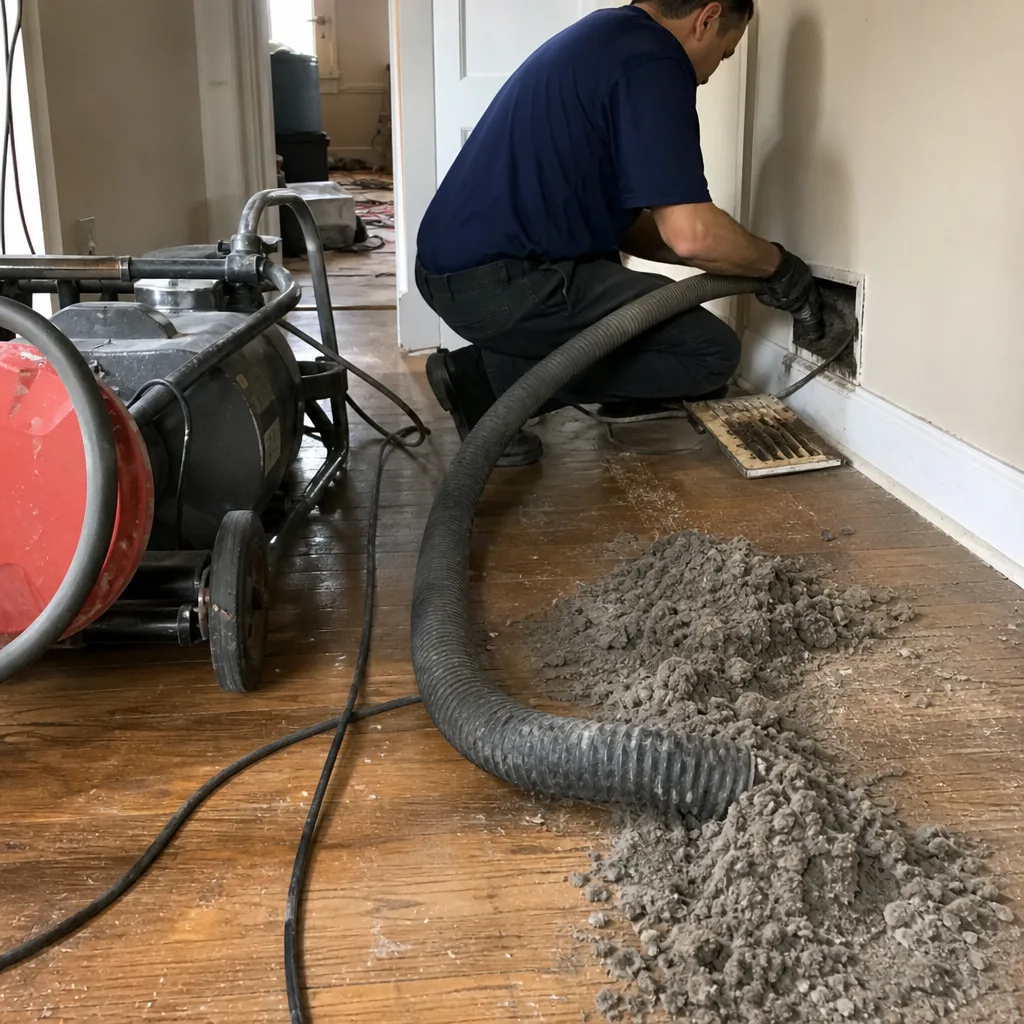 Before
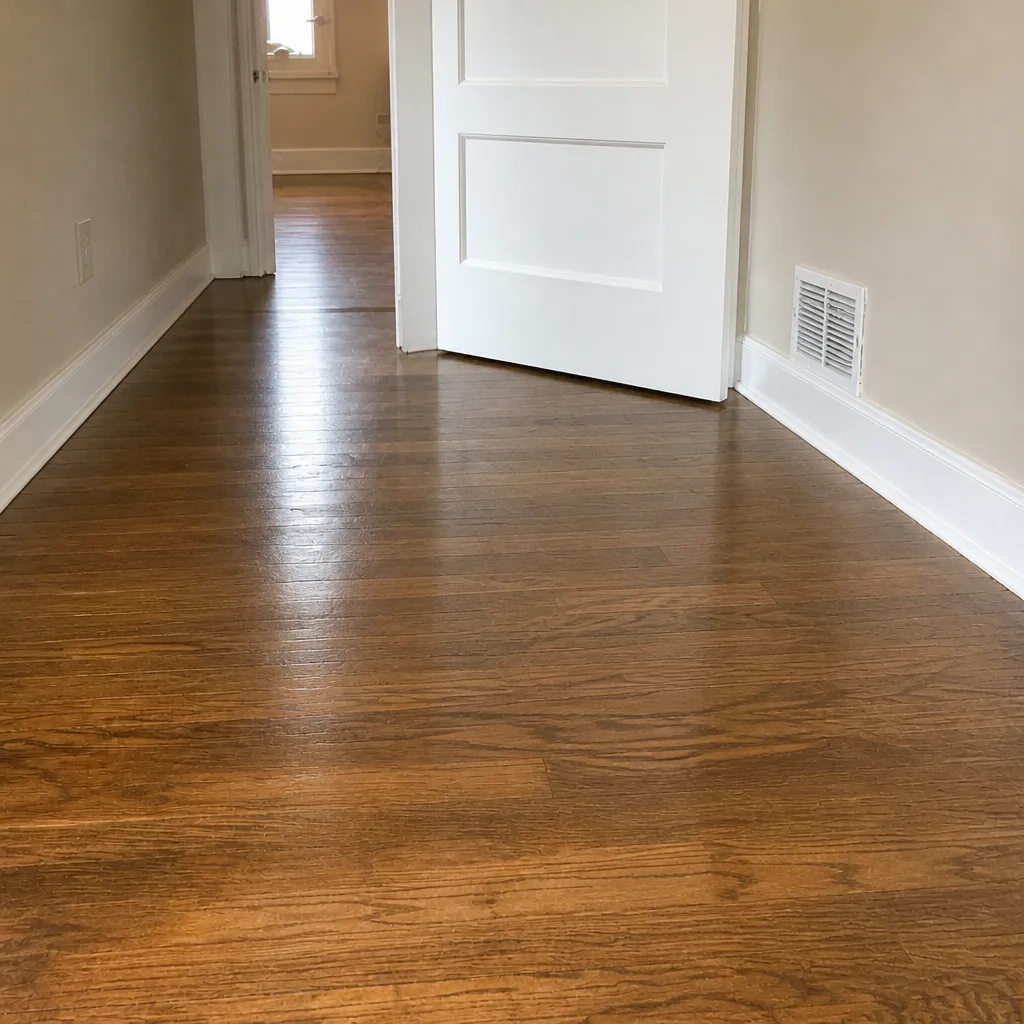 After
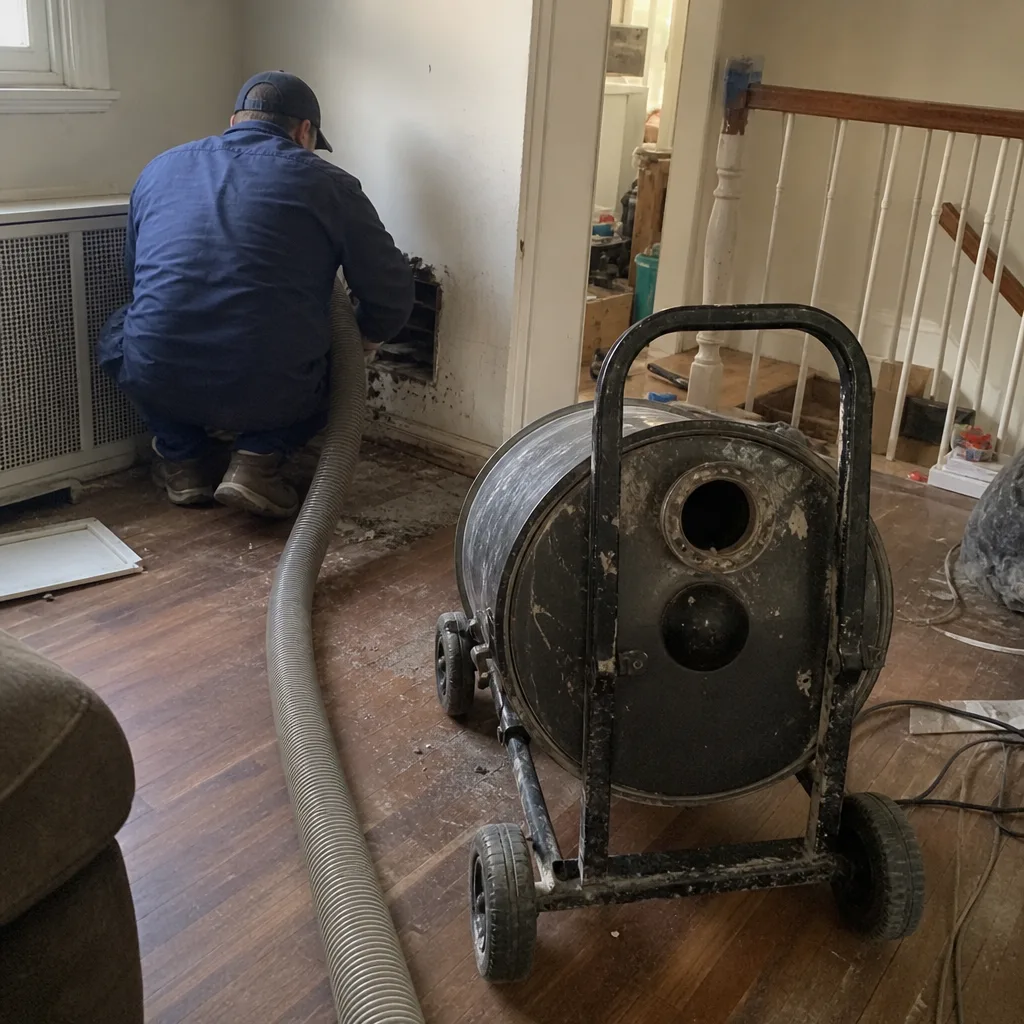 Before
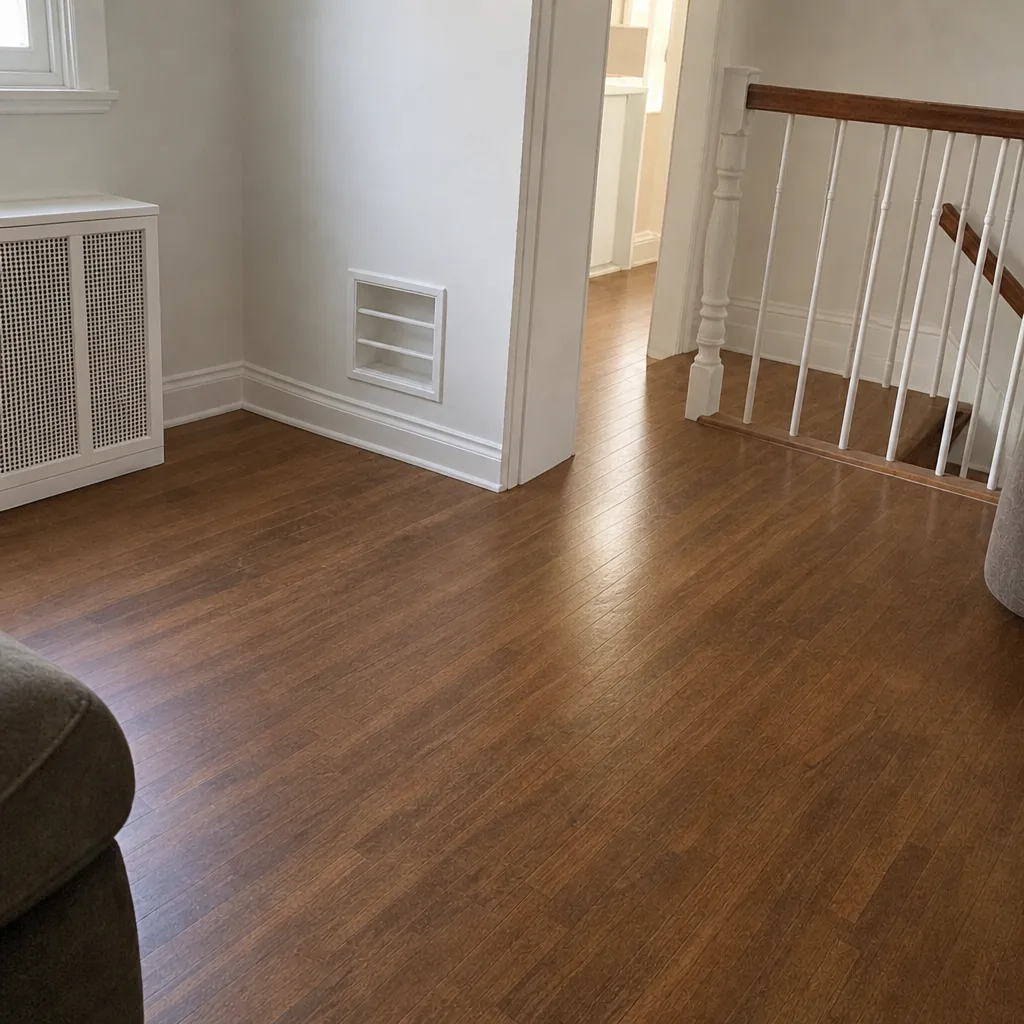 After
 Before
 After