
Last updated November 22, 2026
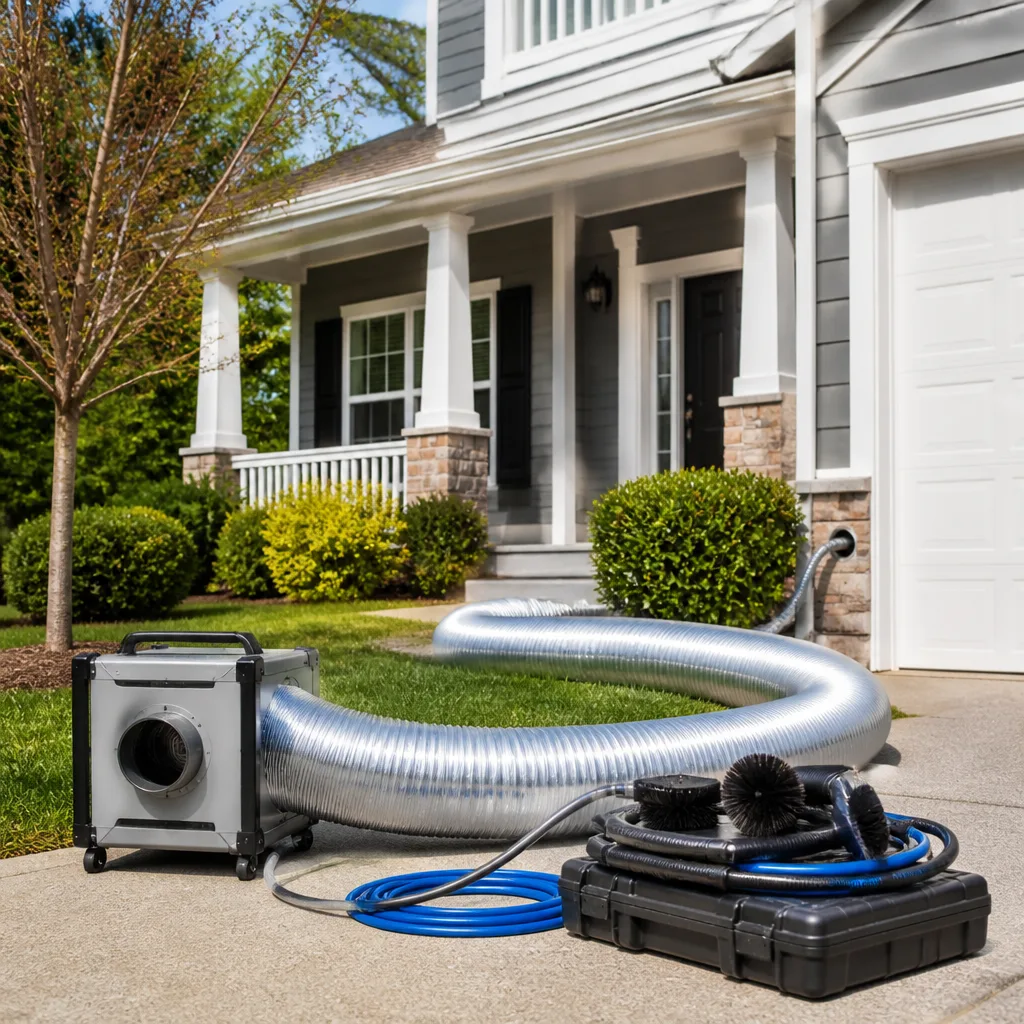 Whole-home duct cleaning
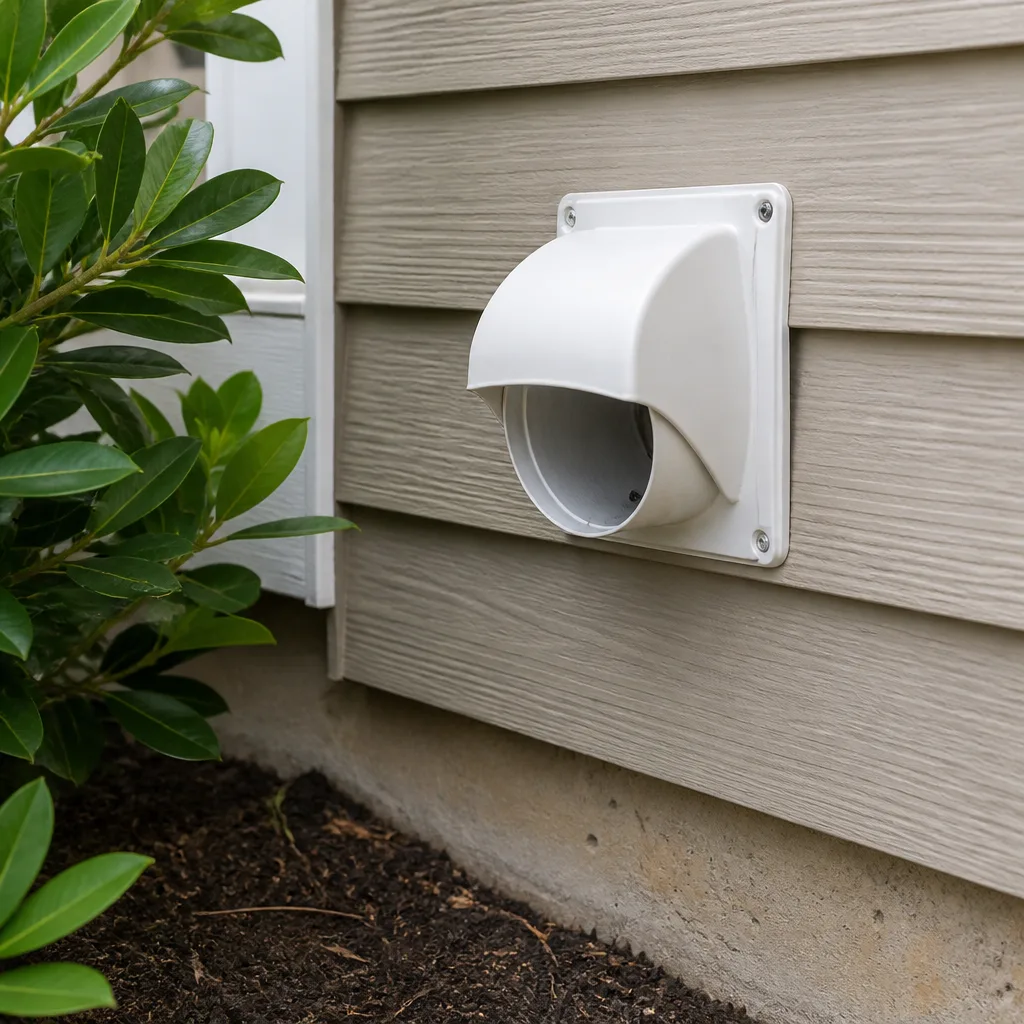 Dryer vent cleaning
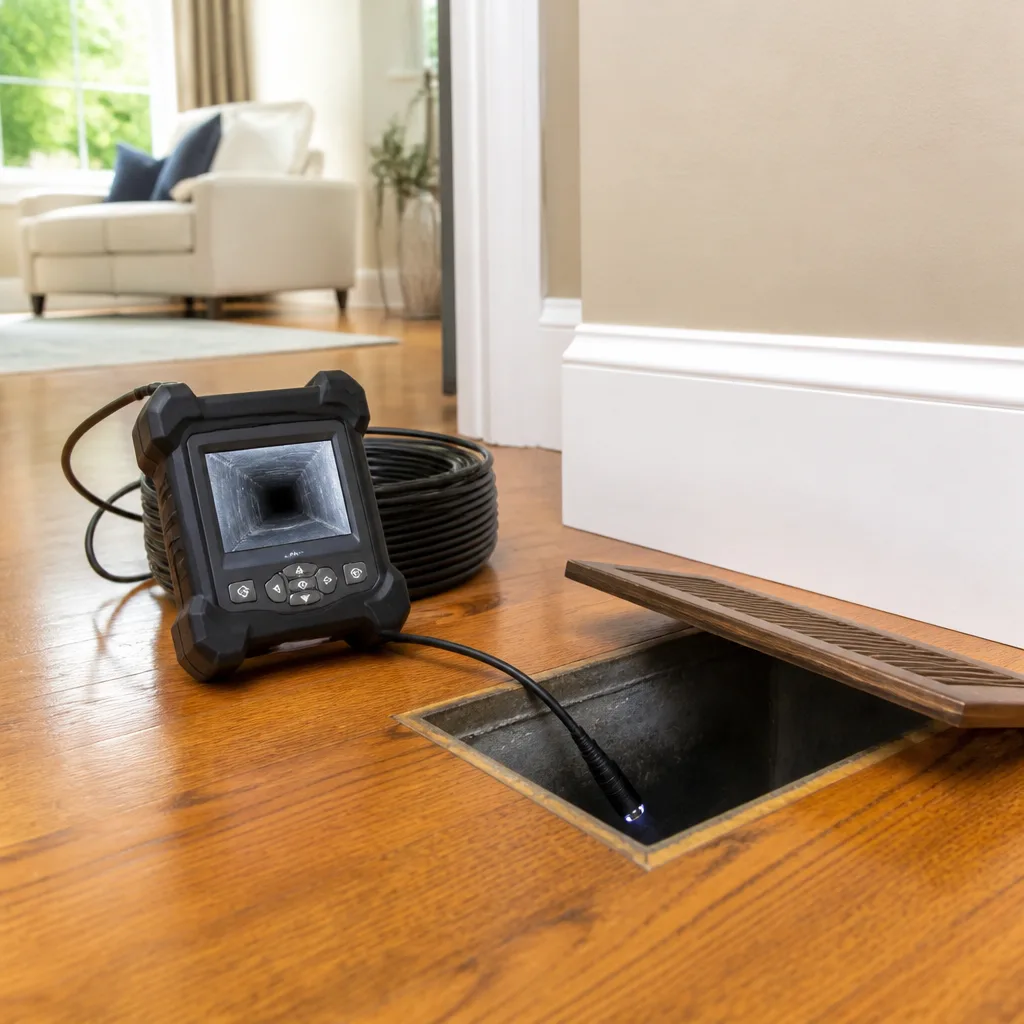 Camera inspection
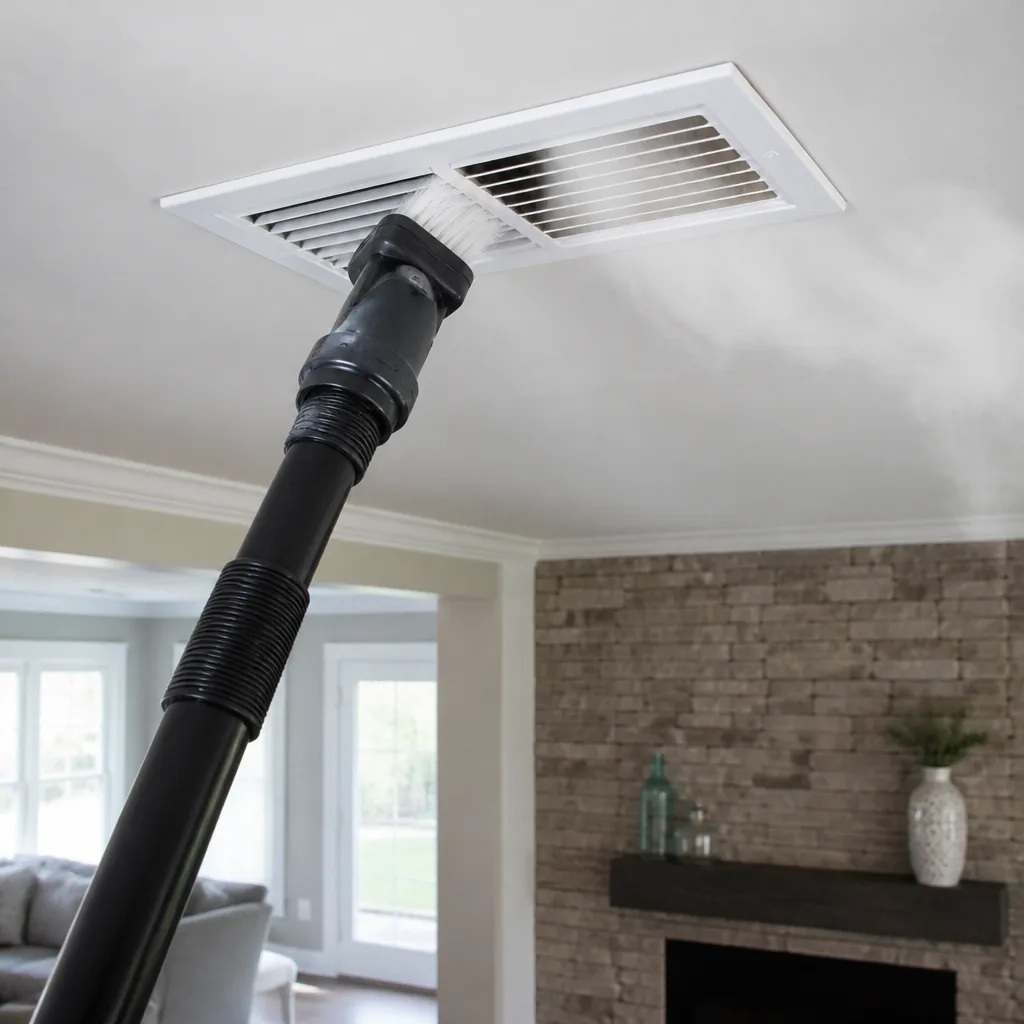 Sanitizing & deodorizing
Whole-system duct and dryer vent check with before-and-after photos - you see exactly what came out of your vents
That "$99 whole-house special" is a bait ad - the real number appears once they are in your hallway, or the "clean" is a shop-vac at the register. We photograph the inside of your ducts before and after instead.
Air Duct Cleaning Maintenance Checklist for Jackson Heights Homeowners
Changing your filter on schedule is not maintenance – it’s the minimum. In a Jackson Heights building with original ductwork, skipping the other eleven checkpoints means you’re managing symptoms, not the system. The dust that settles on your sills every week, the bedroom that never gets as warm as the living room, the musty smell when the heat first comes on in October: none of those are filter problems. They’re envelope problems, joint problems, and pressure problems, and they show up in Jackson Heights stock in predictable ways. This guide gives you a month-by-month checklist keyed to that reality, plus the specific thresholds that tell you it’s time to stop checking and start calling.
Quick Answer
A workable air duct maintenance checklist for a Jackson Heights home has four moving parts: filter changes on a schedule matched to street-level particulate, seasonal checks timed to the pollen surge, the humidity peak, the heating switchover, and the dry months, a visual inspection of accessible duct joints for tape failure, and a written log of odor, airflow, and register changes between professional cleanings. Most homes in this neighborhood need a professional assessment every two to three years, sooner if the ductwork predates 1980 or was never sealed with mastic at the joints.
Styles & brands we work with
- Whole-home duct cleaning
- Dryer vent cleaning
- Camera inspection
- Sanitizing & deodorizing
Table of Contents
- Why Standard Checklists Miss Jackson Heights Ductwork
- The Month-by-Month Checklist
- Filter Selection for Urban Air
- Inspecting Duct Joints for Tape Failure
- What to Document Between Cleanings
- The Dryer Vent Is Part of the Same System
- When a Checklist Item Means Call a Pro
- Common Mistakes to Avoid
Why Standard Checklists Miss Jackson Heights Ductwork
Most maintenance checklists floating around online were written for a house built after 1990 in a suburb, with flex duct, a single air handler, and a sealed envelope. That is not the housing stock here. Jackson Heights is dominated by prewar garden apartments, six-story walk-ups, and row houses with original plaster walls and duct runs that were retrofitted into framing that was never designed for them. A checklist that doesn’t account for that will have you dusting return grilles while the real leakage happens two feet away in a crawl space you’ve never opened.
Three local variables change what matters:
- Heating conversions. Many Jackson Heights buildings started life on oil-fired boilers and were converted to gas, or had steam systems replaced with forced air. When a system changes fuel or distribution type, the old duct chases often stay in place, undersized for the new equipment and poorly sealed where the two systems meet.
- Aging envelopes. Plaster and lath, original single-pane windows, and unsealed penetrations mean your duct system is competing with a leaky building. Airflow problems you blame on the ducts are sometimes envelope problems, and vice versa.
- Ambient particulate. Street-level air in a dense, walkable neighborhood like Jackson Heights carries more fine particulate than a suburban lot. That loads filters faster and settles in duct runs that have low velocity or dead-end branches.
None of this is alarming. It’s just specific, and specific checklists catch more. The schedule below is built around those three factors and the seasonal swings that hit this part of Queens hardest.
The Month-by-Month Checklist
Think of the year in four phases, not twelve identical months. The task list changes because the load on your system changes.
Phase 1: Late March Through May – Pollen Surge
- Swap the filter at the start of the phase, not the end. Tree pollen peaks in this window, and a filter already loaded from winter will bypass air around the frame rather than through the media.
- Seal the filter slot if it’s loose. A gap around the filter frame lets unfiltered air straight into the blower. Foil tape on the frame edge is enough.
- Check every return grille for visible dust matting. Remove and wash the grille cover. Wipe inside the collar with a damp cloth and see what comes back within a week.
- Note any room that smells different from the others. A single smelly room in spring usually means a disconnected branch or a dead-end run with no return path.
- Confirm your supply registers are open and unobstructed. Furniture rearranged over the winter blocks more airflow than people realize.
Phase 2: June Through August – Humidity Peak
- Watch for condensation at supply boots where the duct meets the floor or wall. Sweating metal in summer is normal for a few minutes; persistent wetness points to a sealing problem.
- Check the air handler closet for mustiness. High humidity plus a cabinet that isn’t sealed is where microbial growth starts, not inside the ducts themselves.
- Verify your return air path is not pulling from a damp basement or crawl. A return that draws from unconditioned space brings humidity into every room.
- Clean the condensate line if you have central cooling. A clogged line doesn’t affect duct hygiene directly, but it does raise indoor humidity, which is the same battle.
- Inspect accessible flex duct for sagging. Sagging runs collect moisture and dust at the low point.
Phase 3: September Through October – Heating Switchover
- Do the first heat run with the windows closed and pay attention. The smell on the first cold morning tells you what sat in the ducts all summer. A faint hot-dust smell that fades in an hour is normal. A persistent musty or oily smell is not.
- Re-check every accessible joint for tape failure. This is the highest-value task of the year. See the joint section below for how.
- Replace the filter again. Cooling season plus pollen season has loaded it.
- Walk the rooms and note airflow differences compared to last spring. A room that heated evenly two years ago and doesn’t now is your first data point.
- Confirm the return grille closest to the air handler isn’t blocked by a rug, a bookcase, or a pet bed.
Phase 4: November Through February – Dry-Air Static
- Watch for static shocks at door handles and register covers. Very dry air is uncomfortable, but it also makes dust cling to surfaces and duct walls instead of staying airborne where a filter can catch it.
- Track humidity. A cheap hygrometer tells you more about your indoor air than any sales pitch. If you’re consistently below 30 percent, consider whether whole-home humidification makes sense with your system; brands like Aprilaire build equipment for exactly this, and it’s worth understanding how it interacts with a duct system before you buy.
- Vacuum register covers rather than just dusting them. Wiping pushes dust into the gaps.
- Log any new noise from the ducts – whistling, rattling, or a whoosh that wasn’t there before. Noise is pressure information.
- Keep the filter schedule. Winter air is dry and dusty, and a forced-air system runs more hours per day than at any other time of year.
Filter Selection for Urban Air
The filter is not the maintenance plan, but choosing the wrong one wastes money in both directions. A box-store fiberglass panel rated at the bare minimum stops almost nothing. An over-high MERV filter on an older blower can choke airflow and cause real problems. Here’s how to think about it.
- MERV 8 is a reasonable floor for most homes. It catches pollen, mold spores, and most fine dust without straining a standard blower.
- MERV 11 to 13 is where you start capturing fine particulate more effectively, but only if your blower was sized for the added resistance. In older Jackson Heights systems with long, undersized runs, a MERV 13 can cost you airflow in the rooms already struggling.
- Electrostatic and washable filters vary enormously in real performance. Some are convenient and reusable. Others are marketing in a cardboard frame. Check the published MERV rating, not the word “electrostatic” on the package.
- Filtration is a system decision, not a filter decision. A filter cabinet sized correctly for the media and sealed to the frame outperforms a better filter shoved into a sloppy slot. Honeywell and Aprilaire make filter cabinets and media for exactly this reason, and they show up frequently in homes that have had a proper air-quality upgrade.
One practical rule: if you can see light through the filter frame edges, you’re buying filtration you’re not getting. Seal the slot.
Inspecting Duct Joints for Tape Failure
This is the check most homeowners skip, and it matters most in pre-1980 construction. In much of that era, joints were taped and left. Mastic, the brush-on or troweled sealant that lasts decades, was often never applied. Cloth-backed and standard duct tape dries, cracks, and lets go over years of heating and cooling cycles. When it fails, it fails silently, and every air handler run pulls attic or chase air into the system.
What to look for on the runs you can actually reach – typically in a basement, utility closet, or crawl:
- Sticky residue or a dusty adhesive line where tape used to be. That’s the tell.
- Visible gaps at longitudinal seams – the long seam running the length of a straight run, not just the joints.
- Tape lifting at the corner of a junction. Corners fail first.
- Dust streaking radiating out from a joint. Air was escaping there and staining the surface over time.
- Flex duct inner liner pulled away from the collar under the outer jacket. This is common where flex was cut and pushed on without sealing. If the connection only looks right because the outer wrap hides it, look closer or ask a technician to check it.
If you find failed joints, don’t just re-tape them with the same material. The right fix is mastic or a proper sealant, sometimes with a mesh tape reinforcement, applied to a cleaned surface. That is duct repair and sealing work, and it’s the difference between fixing a leak and hiding it. Clean-only companies leave this on the table because they’re not equipped to do it.
What to Document Between Cleanings
The gap between professional cleanings is two to three years for most homes. You’re the sensor during that window. Keep a simple note on your phone and record four things.
- Odor changes. Note the date and which room. New mustiness after rain suggests a moisture path. An oily smell near a kitchen-adjacent run points at a range hood or exhaust issue. A smell that only appears when the heat runs narrows it to the supply side.
- Airflow asymmetry. Pick one register per room and hold a tissue to it once a month. Consistent, repeatable observations beat memory. When one room falls behind the others by a noticeable margin, you have a data point.
- Visible register discoloration. Black or gray streaking on the grille blades or the wall around the register means the register is acting as a filter. That’s a sign of higher-than-expected particulate bypass.
- Filter life. Write down how many weeks a filter actually lasts. If it drops from twelve weeks to six with no other change, something in the system is shedding.
Bring that log to any estimate conversation. A technician who knows the history can be far more precise about what the duct interior actually needs.
The Dryer Vent Is Part of the Same System
Most homeowners file dryer vents mentally under appliance maintenance. They belong here, because the ductwork problems are the same family – restricted airflow, accumulated lint, failed connections – with a much sharper consequence. A clogged dryer vent is a fire hazard, full stop, and lint accumulation in the run is the reason.
The checklist items for the vent are short:
- Check the exterior termination flap once a season. It should open freely when the dryer runs and close when it stops. A stuck flap or a screen on the outside means lint is backing up.
- Watch drying times. A load that used to take 45 minutes and now takes 70 is a vent restriction signal.
- Feel the exterior air movement with the dryer running. Weak exhaust is a real finding.
- Look behind the dryer for a crushed or kinked transition duct. The flexible connector is the most common point of failure.
Professional dryer vent cleaning uses powered brushes and vacuum equipment to clear the full run, not just the first few feet. It’s worth scheduling alongside a duct cleaning so the whole system gets addressed at once.
When a Checklist Item Means Call a Pro
“If concerned” is not a threshold. Here are specific findings that cross the line from maintenance to service.
- Persistent odor in one or more rooms that doesn’t clear after a filter change and a grille cleaning. Duration matters more than intensity.
- A room that has fallen noticeably behind others on airflow and stays that way after you’ve confirmed the register is open and unobstructed. That points at a disconnected or crushed branch, and you can’t fix that from the room side.
- Visible dust plumes from registers at startup. That’s material being redistributed from inside the duct, not just dust in the room.
- Failed tape at more than a joint or two, or any joint you can see daylight through. Air leakage that severe pushes infiltration everywhere.
- Any sign of moisture inside an accessible duct – rust, water staining, or a musty smell that gets worse after rain. Stop using the system and get it assessed.
- Ductwork that’s never been professionally cleaned in a home you’ve just purchased, especially pre-1980 construction. You don’t have a baseline, and a professional assessment establishes one.
- Dryer vent exhaust that’s weak or blocked after you’ve checked the flap and the transition.
Two or more of those together, and it’s time for a full-system look rather than another round of filter changes. Air Duct Cleaning Jackson Heights starts every one of those jobs with an inspection and a written estimate.
Common Mistakes to Avoid
- Treating the filter as the whole maintenance plan. A filter protects the equipment. It does nothing about what’s already settled on the duct walls or leaking out of a failed joint in Jackson Heights stock.
- Using duct tape to fix duct tape. If the original cloth tape has failed, replacing it with the same material just resets the clock. Mastic or a proper sealant is the durable fix.
- Choosing the highest MERV number on the shelf. In older systems with long or undersized runs, an over-restrictive filter hurts airflow in the rooms that are already struggling.
- Vacuuming registers and calling it cleaning. The grille cover is the least important surface in the system. The run behind it is where the material is.
- Ignoring the dryer vent because the dryer still works. Drying performance degrades slowly, so “it’s fine” is usually an assessment based on habit, not measurement.
- Never opening the accessible duct areas. A utility closet, basement, or crawl is inspection access. If the joints there were never sealed with mastic, that’s visible in minutes and tells you a lot about the rest of the run.
- Skipping the log. Without notes on odor, airflow, and filter life, every estimate conversation is a guess, including the one you get from us.
See the difference
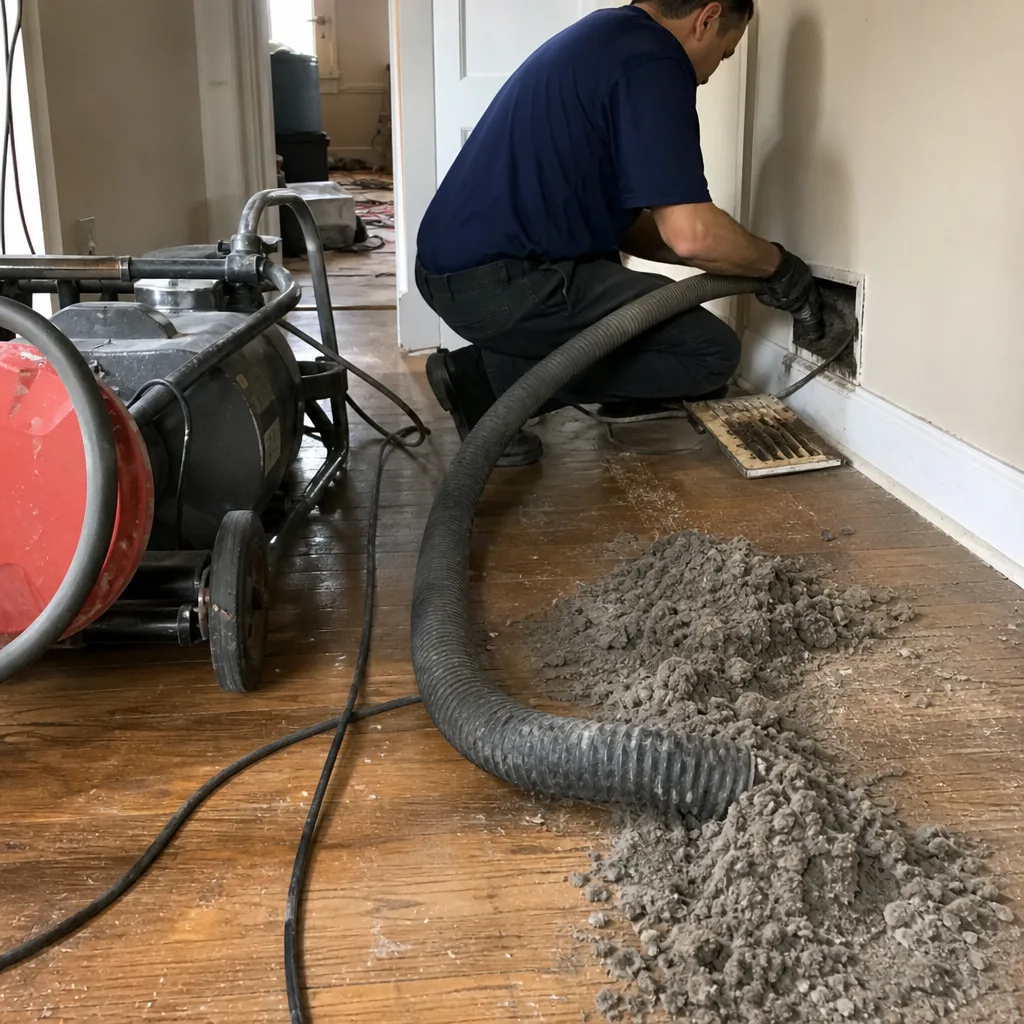 Before
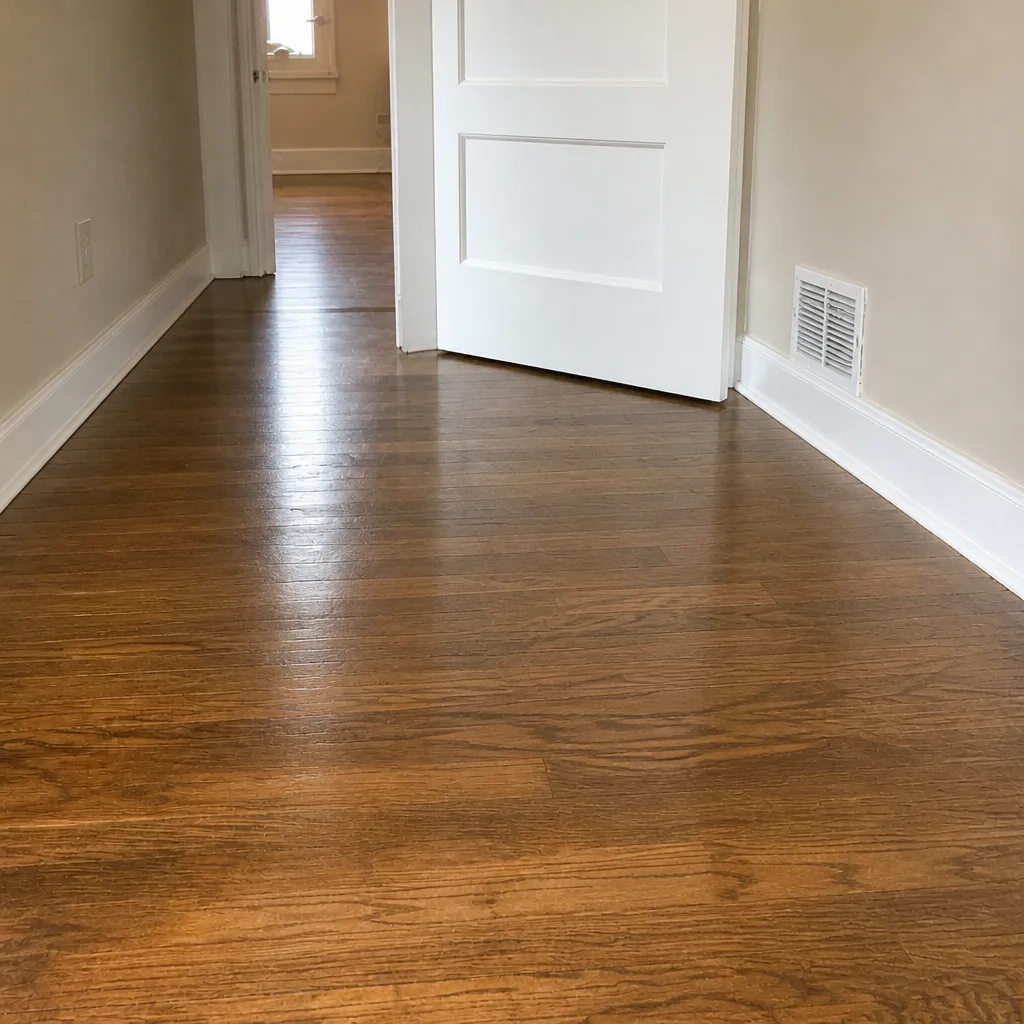 After
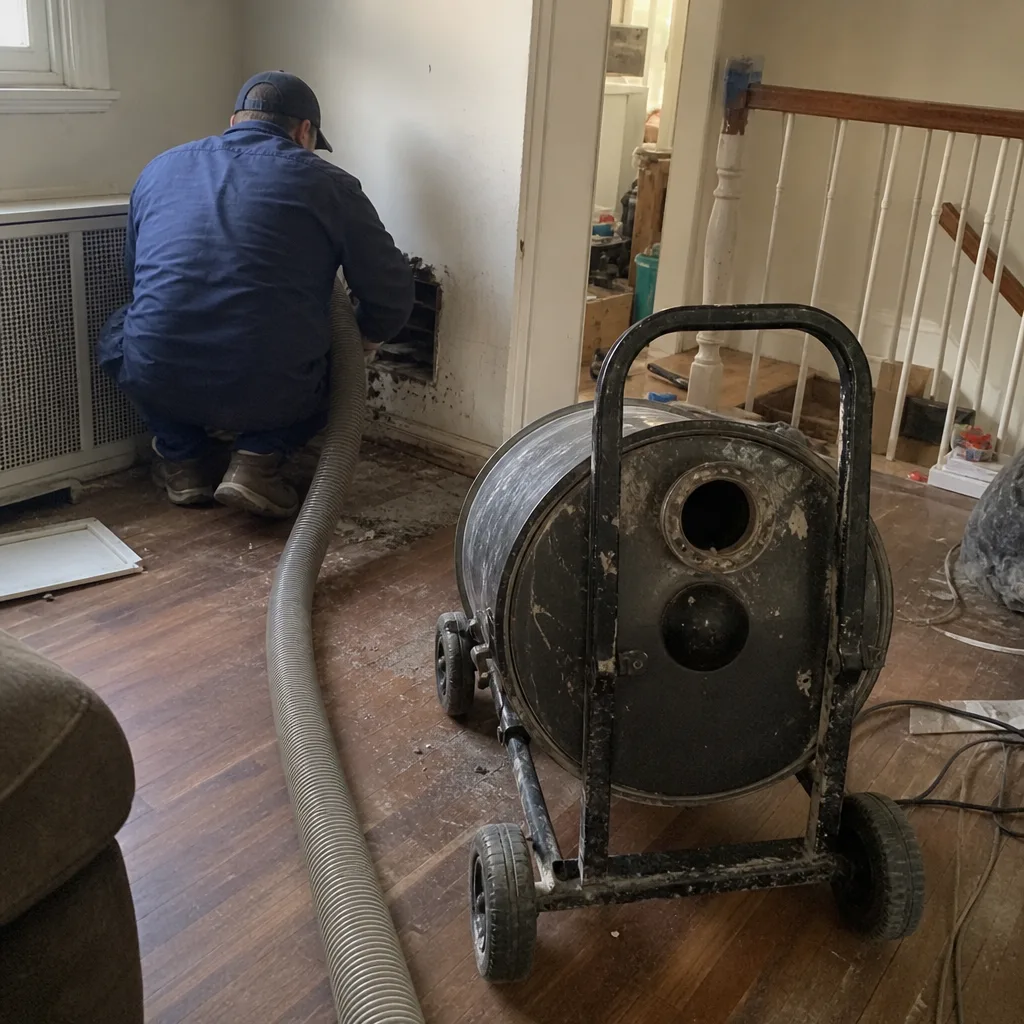 Before
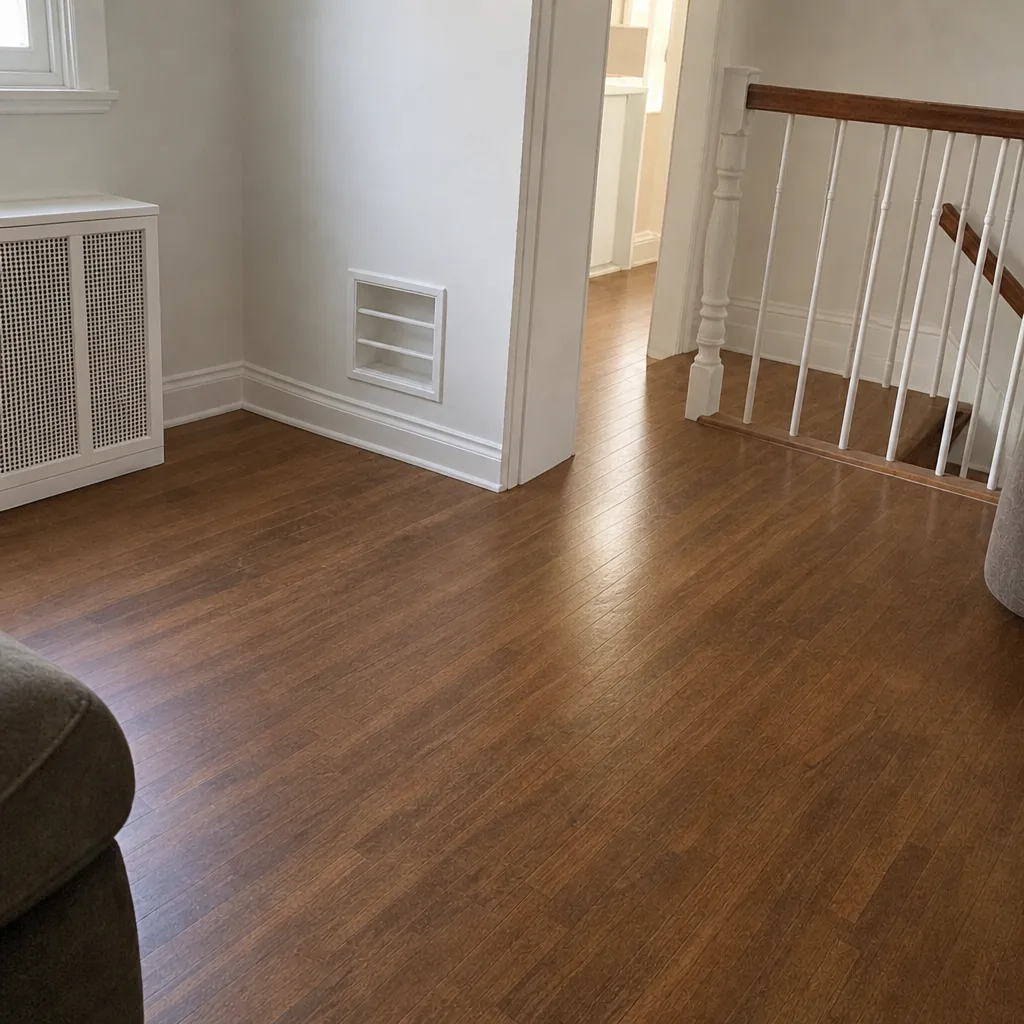 After
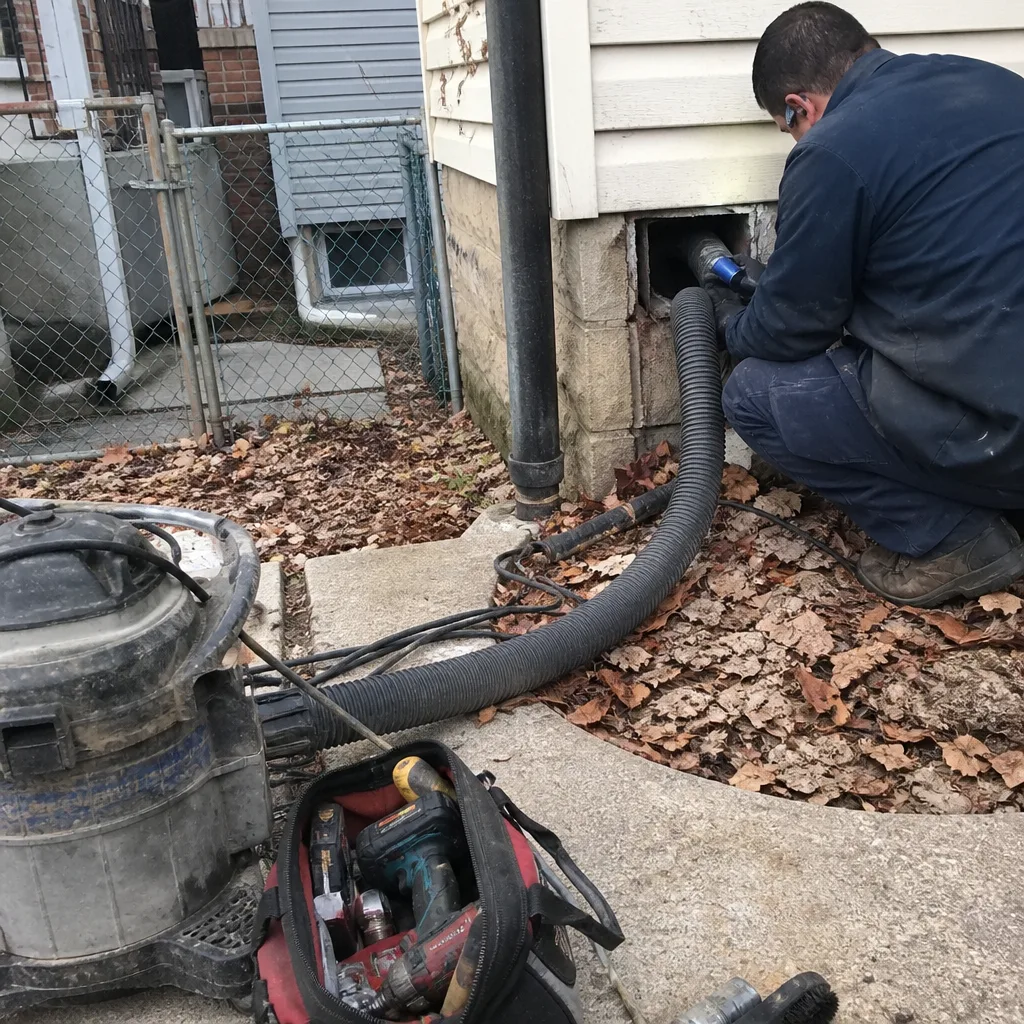 Before
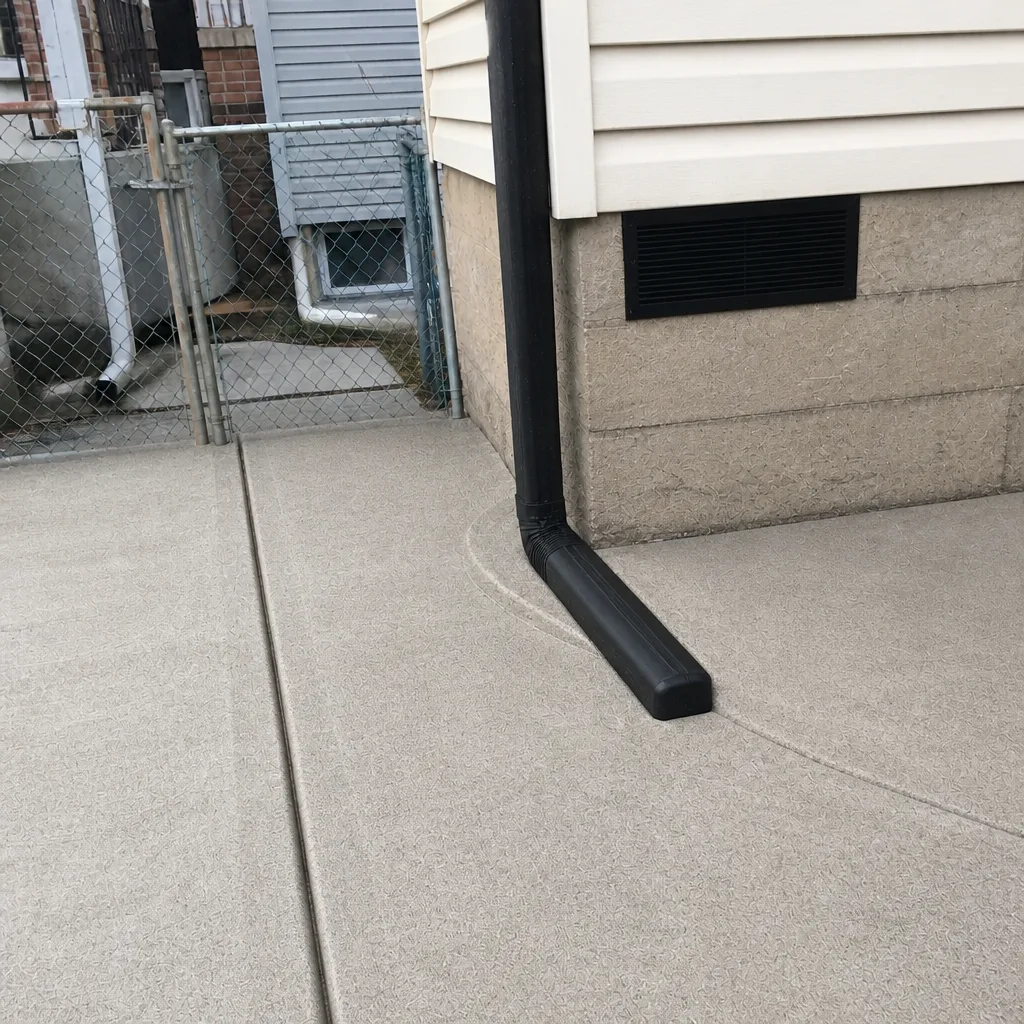 After
When to Call a Professional
Call when a checklist finding persists. That means an odor that outlasts a filter change, a room that stays behind on airflow after you’ve confirmed the register is clear, visible dust plumes at startup, tape failure at more than one or two accessible joints, or any sign of moisture inside a duct. It also means any home you’ve just moved into with pre-1980 ductwork and no service history, and any dryer vent that’s exhausting weakly after you’ve checked the flap and the transition. Those are real system findings, not consumables.
Our technicians have up to 9 years of experience reading exactly these signals, and we bring Rotobrush and Nikro equipment to a scheduled assessment rather than a shop vacuum and a brush. air duct cleaning estimates are free, one flat price per system agreed before work starts, with before-and-after photos of your own ducts. Call (844) 443-4566. We answer 24/7. Fast dispatch from 7am to 7pm, Sunday through Friday.
Frequently Asked Questions
Every two to three years is typical for a Jackson Heights home in decent condition with regular filter changes. Move to the shorter end if the ductwork predates 1980, if tape failure shows up at multiple joints, or if there’s a smoker, pets, or recent renovation dust in the home. Homes with sealed, mastic-jointed ductwork and disciplined filtration can go longer. Call (844) 443-4566 for an exact recommendation on your system – estimates are free.
We quote one flat price per system, agreed before any work starts, based on the number of runs, the system size, and the condition of the ductwork. That’s deliberate: per-vent pricing is how a quote turns into a much larger invoice once the technician is on site. We won’t quote a per-vent rate or a teaser figure, and we set the final price in writing after an inspection. Call (844) 443-4566 for a free estimate on your system.
Usually because they cover less. A low figure often means the technician runs a brush through the main trunk and skips the branch runs, or cleans without addressing failed joints, or uses consumer-grade equipment that agitates dust without capturing it. Ask what equipment the crew brings, whether sealing is included, and whether you’ll get photos of your own ducts before and after. Those three questions separate the quotes quickly. Call (844) 443-4566 and we’ll walk you through what our price includes.
Ask for before-and-after photos of your own duct interiors, not stock images. A real cleaning job produces visible change in the branch runs and at the boots, and those are the areas to photograph. We provide photos as standard on every system we service, so you’re not taking anyone’s word for it. Call (844) 443-4566 to schedule an assessment.
No. A better filter catches more particulate before it enters the equipment, which genuinely slows accumulation. It does not remove material already settled on duct walls, and it does nothing about leakage at unsealed joints. Filtration and cleaning fix different problems. If you want to upgrade filtration, brands like Honeywell and Aprilaire make media cabinets that fit the equipment properly rather than crowding a standard slot. Call (844) 443-4566 to talk through both.
Yes, in one important way: joint inspection becomes the highest-value task of the year. Pre-1980 installations frequently relied on tape alone with no mastic, so failure at those joints is common and silent. Check the runs you can reach each fall before the heating season, and if you find failed tape anywhere, have the system assessed rather than re-taped. Repair and sealing is part of what we do, alongside cleaning, so the fix addresses the cause rather than the symptom. Call (844) 443-4566 for a free estimate.
The Bottom Line
Good duct maintenance in Jackson Heights is not a filter schedule. It’s a seasonal rhythm: pollen load in spring, moisture and humidity in summer, tape failure at the heating switchover, dry-air static in winter. Pair that with a filter that matches your blower’s capacity rather than the highest number on the shelf, a physical check of accessible joints each fall, and a short log of odor, airflow, and register changes between professional visits. Those four habits catch nearly everything before it becomes expensive. When a finding persists past a filter change, that’s your signal to get the system assessed.
One call covers the whole picture. We handle HVAC cleaning alongside duct work, plus dryer vent cleaning, duct repair and sealing, and air quality sanitizing with Abatement Technologies products built for environmental remediation work. Ready to schedule? Call (844) 443-4566 for a free estimate. We answer 24/7. Fast dispatch from 7am to 7pm, Sunday through Friday.
Written by the team at Air Duct Cleaning Jackson Heights.