
Last updated November 22, 2026
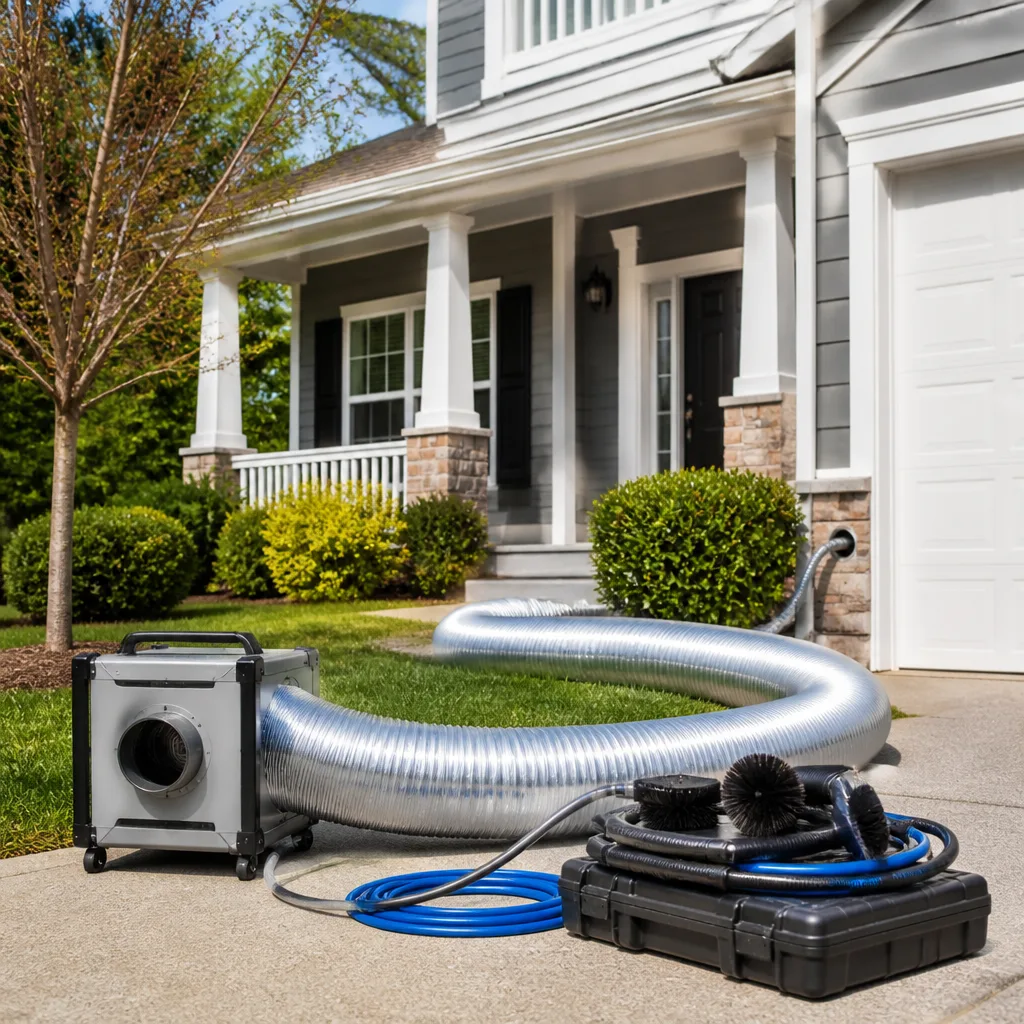 Whole-home duct cleaning
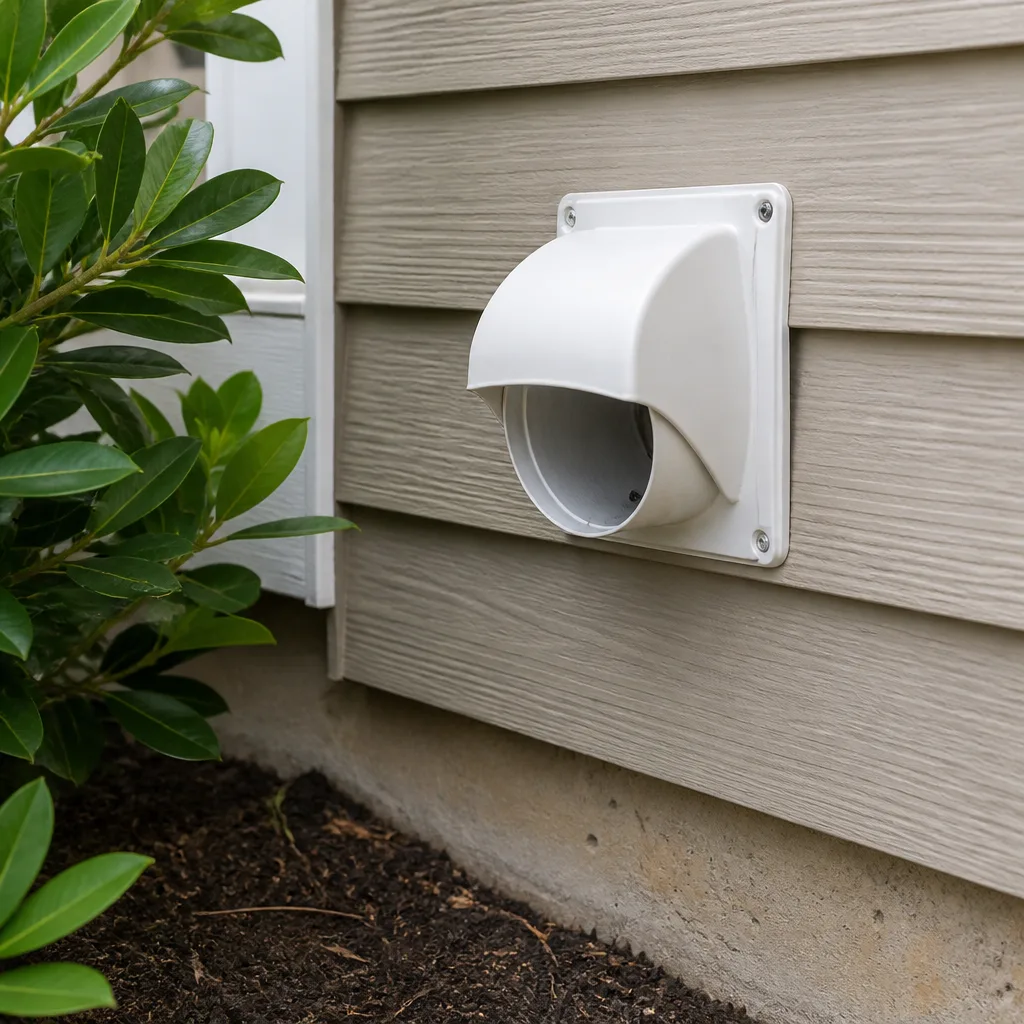 Dryer vent cleaning
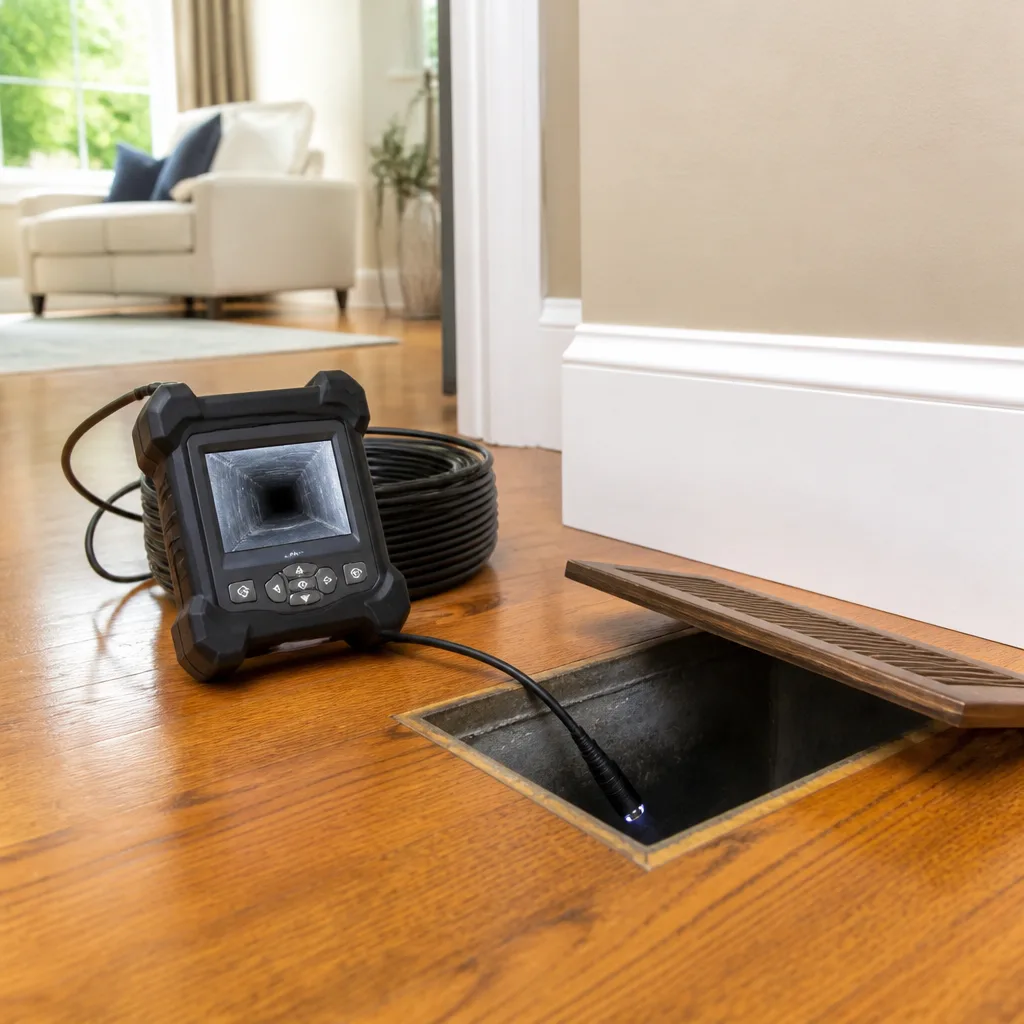 Camera inspection
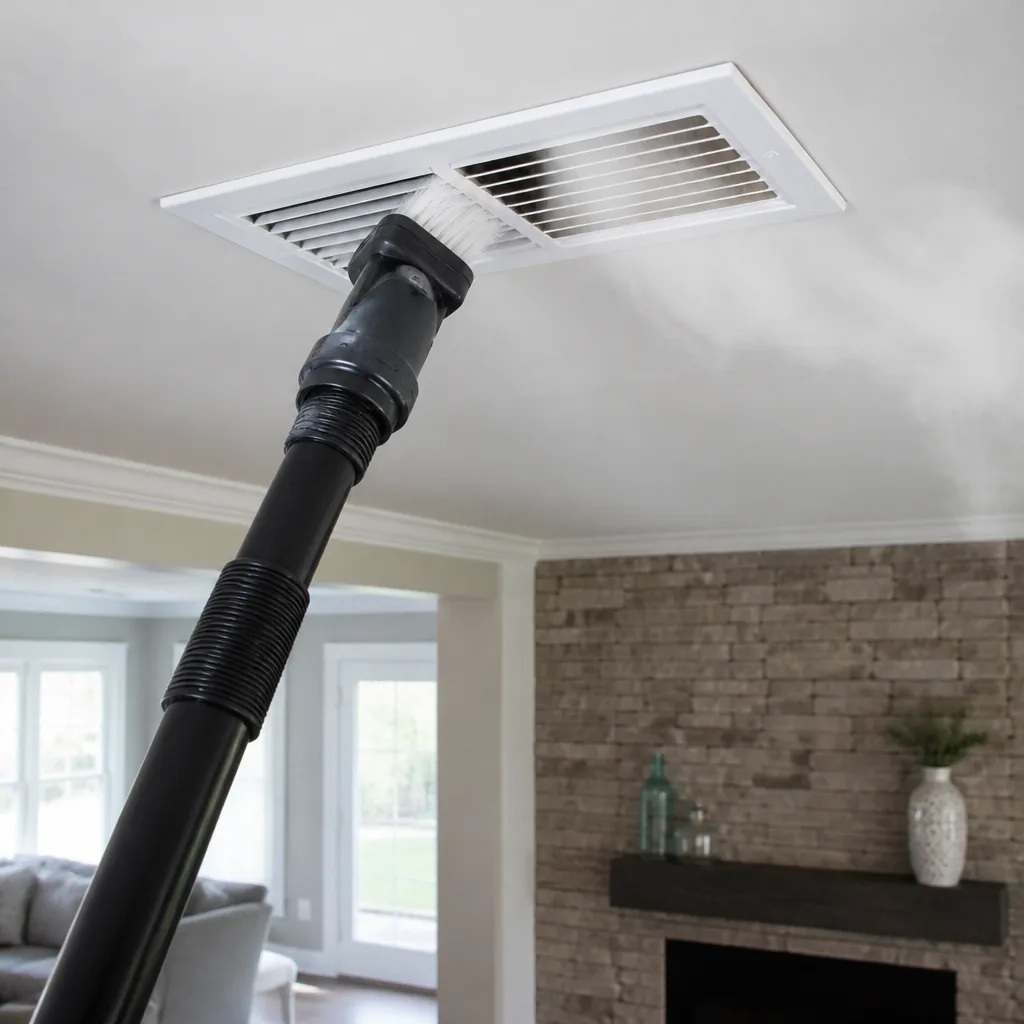 Sanitizing & deodorizing
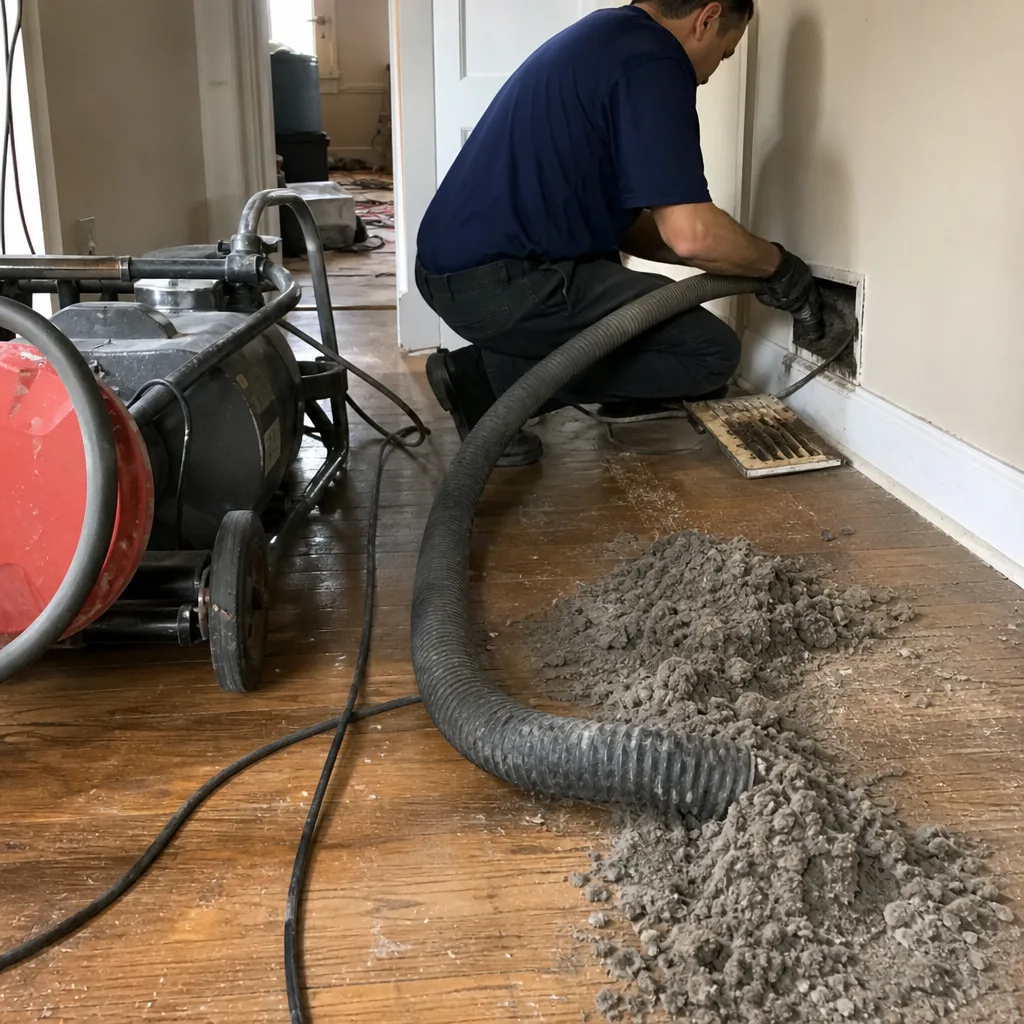
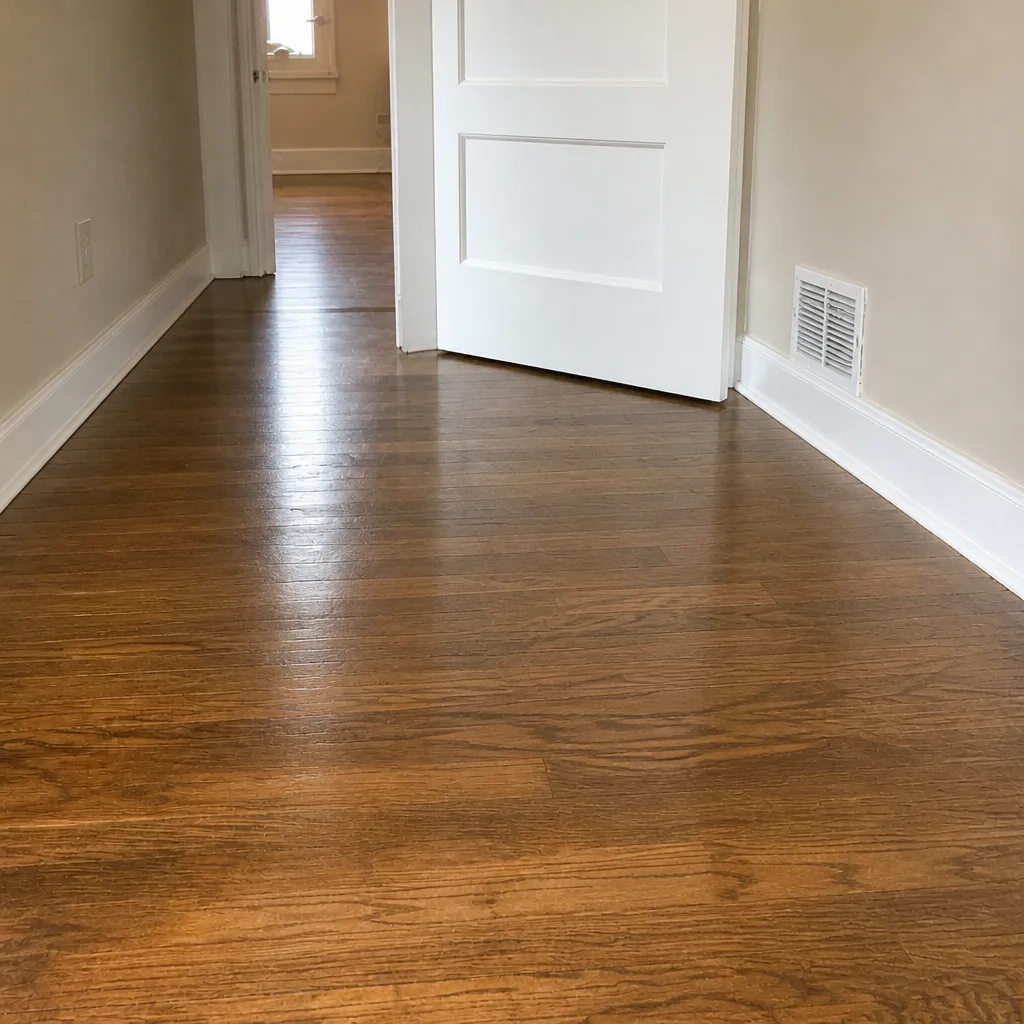
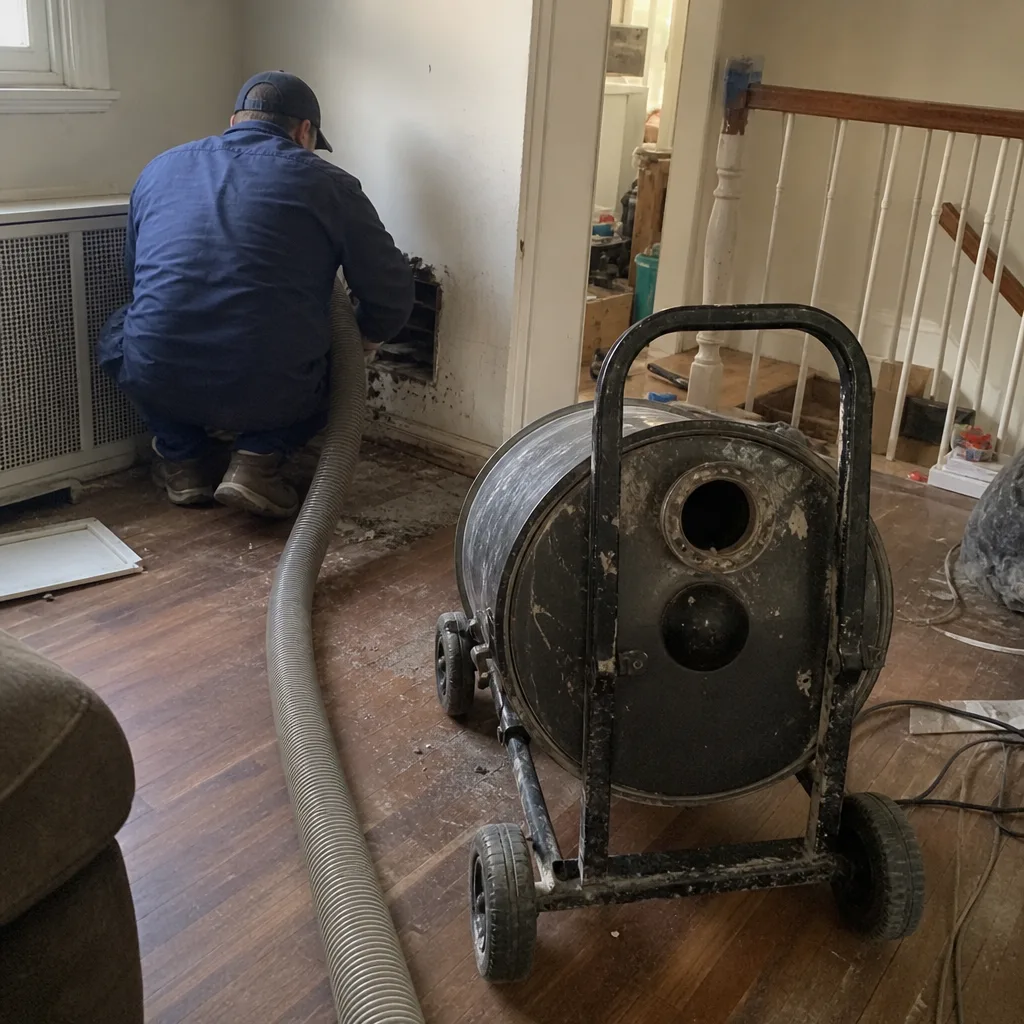
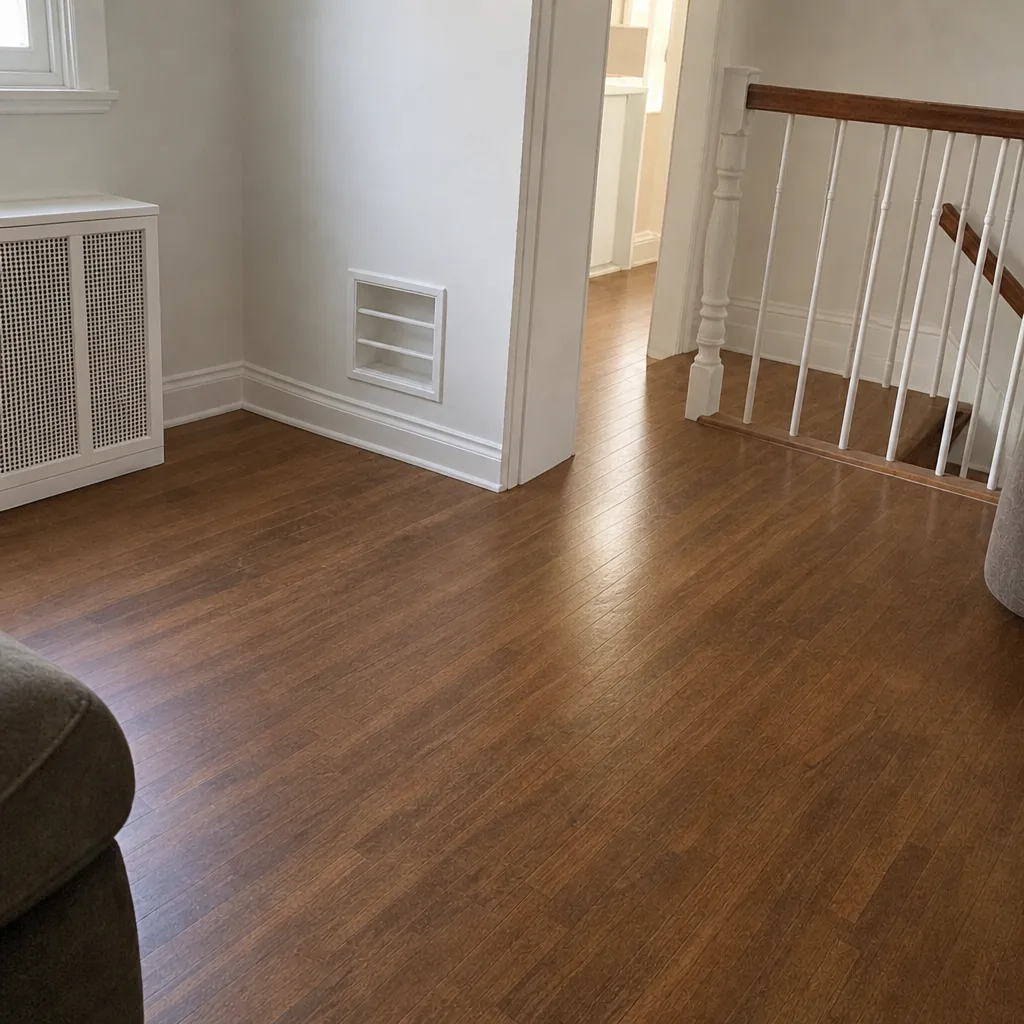
Whole-system duct and dryer vent check with before-and-after photos - you see exactly what came out of your vents
That "$99 whole-house special" is a bait ad - the real number appears once they are in your hallway, or the "clean" is a shop-vac at the register. We photograph the inside of your ducts before and after instead.
Air Duct Cleaning Warning Signs: A Jackson Heights Homeowner’s Reference Guide
If one room in your Jackson Heights apartment runs noticeably cooler than the rest no matter what you do to the thermostat, the furnace is usually not the culprit. More often it’s airflow restriction from debris that has packed into a branch duct over years of use. Homeowners tend to read duct problems as equipment problems – they replace a blower motor when the real issue is a choked return. This guide walks through the signals that actually point to contamination inside the duct system, how to read them room by room, and when the picture calls for a specialist rather than another thermostat adjustment.
Quick Answer
The main warning signs that your Jackson Heights ducts need cleaning are uneven airflow between rooms, persistent musty or chemical odors when the system runs, visible dust streaking at the registers, allergy symptoms that flare up when the heat or AC kicks on, rising energy bills with no change in usage, and visible debris or dark residue around supply vents. Any two of these together is a strong signal to have the system professionally inspected.
Styles & brands we work with
- Whole-home duct cleaning
- Dryer vent cleaning
- Camera inspection
- Sanitizing & deodorizing
Table of Contents
- Uneven Airflow as a Diagnostic Signal
- What Duct Odors Really Tell You
- What Visible Debris at Registers Actually Means
- Health Patterns Tied to HVAC Operation
- Why Energy Bills Rise Without Equipment Changes
- How to Inspect Your Own System
- Leaks, Gaps, and Duct Sealing
- How Often Ducts Need Cleaning
Uneven Airflow as a Diagnostic Signal
A room that’s consistently 8 to 10 degrees cooler or warmer than the rest of the apartment is telling you something specific: the conditioned air isn’t reaching it evenly. That’s a distribution problem, not a thermostat problem. A balance issue shows up in a single room, a single floor, or a single branch of the system. In Jackson Heights, where many buildings combine forced-air heating with window AC or a single-zone system, this kind of asymmetry is one of the most reliable early signs that a branch duct is packed with dust, lint, and construction debris.
Here’s how to do a register-by-register airflow comparison. It takes about 15 minutes and doesn’t require any tools.
- Turn the system on and let it run for five minutes so the fan reaches full speed.
- Hold the back of your hand near each supply register in every room. Note which ones feel strong, weak, or barely moving any air.
- Test the returns as well – a return that pulls weakly is a sign of a clogged return trunk, which starves the whole system.
- Write down which rooms are weak and where they sit on the floorplan. Rooms at the end of the longest duct runs are usually the first to lose airflow.
- Repeat the same test with the system off, listening for whistling or a rush of air at the gaps. That indicates a leak pulling in unfiltered air from an unconditioned space.
What the results tell you: if only the farthest registers feel weak, a partly blocked branch duct is likely. If every register is weak, the problem may be a clogged return or a dirty blower wheel, both of which fall under HVAC cleaning. If the air feels strong but dirty, you’re looking at contamination rather than restriction. A specialist can tell the difference by looking inside the system, which flat mirrors won’t show you.
What Duct Odors Really Tell You
Every forced-air system smells slightly off on the first heat of the season. The dust that settled on the heat exchanger over the summer burns off within a day or two, and that smell is normal. Persistent odors are a different category. If the smell returns every time the system runs, or if it never clears, that odor is coming from material living inside the ductwork rather than from a temporary surface layer.
Sort what you’re smelling into these groups:
- Musty or earthy: moisture has likely been trapped in the ductwork. In Jackson Heights, where many apartment buildings share risers and the basement can run damp, a leaking or unsealed duct pulling air from a humid space is a common cause.
- Chemical or like a new plastic: often off-gassing from adhesives or recent renovation dust, especially in buildings where neighboring units are being worked on. Repeated air from those spaces cycles through your system.
- Burning or hot metal: this could be a component issue, not a duct issue. Turn the system off and have a technician look at it before you run it again.
- Stale or “dirty sock” smell: a classic sign of microbial growth on duct liners or on the evaporator coil.
If the odor intensifies when the fan runs and fades when the system is off, that’s the strongest single indicator that the source is in the ducts. In our experience across Jackson Heights, this is one of the signs homeowners most often dismiss because they’ve gotten used to it. A professional inspection with a camera will find the source rather than guess at it.
What Visible Debris at Registers Actually Means
The dust you can see clinging to your register grill is the smallest fraction of what’s inside the system. Think of it as the overflow. What you see at the surface is what’s being pushed out by a much larger mass of material deeper in the trunk and branches. If you can see dark residue on the grill, you can be confident there’s significantly more behind it.
Here’s what to look for at each register:
- Remove the grill (usually two screws) and look inside with a flashlight. You’ll often see a mat of lint against the interior side of the duct.
- Run a finger or a clean cloth along the inside edge of the opening. A dark line on the cloth means the whole run likely carries that film.
- Check the register closest to the furnace or air handler. That one sees the most airflow and accumulation.
- Look for streaking on the wall or ceiling around the grill. Black streaks mean air is escaping with dust in it, which points to a leak in the boot or the duct connection.
- Check the return air grille. If it’s visibly dark and matted, the return trunk is the priority.
The reason this matters: a cleaning that only addresses the visible layer at the register is cosmetic. Professional cleaning uses equipment like the Rotobrush system to agitate and extract debris from the whole duct surface, from the trunk to the branches. When our technicians pull an extractor through a system, the material that comes out of the collection chamber is what the homeowner had been breathing for years. That’s the point of professional work.
Health Patterns Tied to HVAC Operation
Allergy and asthma flares follow patterns. When they track HVAC operation rather than outdoor conditions, the duct system deserves a hard look. Here’s the diagnostic question: do the symptoms get worse when the system runs and ease when it’s off for a stretch? If yes, that’s a distribution issue, and the ducts are the first place to look.
The signals that point that direction:
- Morning symptoms that clear once the system has been off for a while. Overnight operation concentrates exposure in the bedroom.
- Congestion that flares in a specific room even when the room isn’t being used. That points to a branch duct in that room.
- Symptom severity that doesn’t change when the outdoor pollen count is high. That’s a sign the source is indoors.
- Visible dust settling on furniture within a day or two of cleaning, especially in the room closest to the returns.
- New or worsening symptoms in a household member who’s been in the same apartment for years – a change in the system’s condition, not a change in the person.
We’re careful not to overstate this. Ducts don’t cause asthma or allergies, and cleaning them isn’t a medical treatment. What we can say is that removing accumulated material reduces what circulates through the system. Homeowners should still see their doctor for symptom management. But if the pattern is tied to the system, cleaning that system makes sense as part of the larger picture.
Why Energy Bills Rise Without Equipment Changes
If your equipment hasn’t changed but the bill has climbed, the system is probably working harder than before to move the same amount of air. Restriction is a common cause. When ducts are lined with debris, the blower pushes against higher static pressure, runs longer cycles, and delivers less conditioned air to the rooms. The temperature at the register reads cooler because the air moves faster through a restricted passage rather than sitting in the living space. From the outside it looks like the system is failing. It’s actually working under a load it wasn’t designed for.
Before blaming the equipment, rule out these causes:
- Check the filter. A clogged filter starves the system and mimics duct restriction. Replace it and re-test.
- Compare bills to the same months last year, not month to month. Seasonal swings distort the picture.
- Check for window drafts and door gaps, which the system tries to compensate for by running longer.
- Run the register airflow test above. If airflow is weak throughout, the restriction is upstream of most registers.
- Listen to the system at startup. A heavy, straining sound at the blower is a sign of high static pressure.
If everything else checks out and the airflow is weak, the ducts are the problem. A cleaning and a check of the filtration side usually reveal it. That’s also where familiarity with filtration and humidity control matters: a technician who understands how a Honeywell or Aprilaire filter system interacts with duct pressure will spot a mismatch that a generalist wouldn’t. In our experience, a clean system with correctly sized filtration runs closer to its rated efficiency than one that’s starved by lint.
How to Inspect Your Own System
You can learn a lot without opening up your ductwork. Here’s a step-by-step look you can do safely on your own, starting with the system off and the thermostat set to “off.”
- Look at the registers. Dark residue, matted lint, or streaking on the wall around the frame.
- Compare airflow room to room as described above. Note weak rooms and where they sit on the floorplan.
- Smell the air at each register on a cold day when the heat first comes on and again 15 minutes later. A smell that persists after warm-up is a signal.
- Check the return grilles for visible matting. Clean the screen but don’t reach inside.
- Look at the accessible duct sections in a closet or basement. Only the parts you can see without removing anything. You’re looking for gaps, disconnected sections, or visible debris.
- Note the filter condition and when you last changed it. A filter that darkens quickly is doing its job pulling material out of the return air.
- Listen for whistling or a rush at supply boots and returns. That’s an air leak, and it tells you unfiltered air is entering the system.
What you should not do: remove duct sections yourself, reach into the plenum, or work near the furnace or air handler while it’s powered. The blower and the electrical components are not homeowner territory. If the step-by-step inspection turns up anything past visible surface debris, call a technician to look inside the system properly.
Leaks, Gaps, and Duct Sealing
Cleaning is one half of the job. Sealing is the other, and in Jackson Heights it’s often the more important half. Many apartment buildings here were built before modern duct sealing was common, and the original joints and connections have had decades to open up. A leaky duct pulls unconditioned air from a wall cavity, basement, or adjacent unit into your living space. That air can carry dust, moisture, and odors you didn’t create, and it undermines the cleaning you paid for.
The visible signs of a leak:
- Black streaks on the wall or ceiling at a register boot.
- Dust settling in a pattern around a duct connection.
- A room that never quite heats or cools despite the register running strong.
- Whistling at a joint when the system runs.
- Disconnected or sagging flexible duct sections visible in a basement or closet.
Sealing the system means mastic and foil tape at the joints, mastic at the boots, and repair or replacement of damaged sections. It’s a job that requires access to the whole run, which most homeowners don’t have. Combined with cleaning, it’s what makes a system hold its gains. A cleaning-only service leaves the leaks and gaps behind – and the air you cleaned leaks back out of them. That’s why we treat cleaning and sealing as a matched pair rather than separate line items.
How Often Ducts Need Cleaning
There is no single number that fits every home. What we can say is that the right interval depends on the building, the occupants, and what’s happening near the system. A general rule of thumb is clean every three to five years for an average household with a filter changed on schedule and no pets. Tighter intervals apply where the return air is dirtier.
Consider cleaning sooner if:
- You’ve had renovation work in the apartment or a neighboring unit.
- You have pets that shed, and the system runs heavily.
- You’ve noticed new or worsening symptoms tied to the system.
- There’s been a water event in the building, or the basement runs damp.
- A previous owner or tenant never had the ducts cleaned, and the system is more than a decade old.
- You’re moving in and want a baseline for what’s inside the system.
Dryer vents run to a different schedule. Lint accumulates faster than duct dust and is a fire hazard, so dryer vent cleaning belongs in the annual maintenance picture rather than a multi-year one. If your dryer takes longer than it used to and the lint trap isn’t the issue, the vent is probably restricted. That’s a safety signal, not just a performance one.
Common Mistakes to Avoid
- Assuming the furnace is the problem because one room is cold. Replacing a blower motor when the actual issue is a blocked branch duct is the single most expensive misdiagnosis we see in Jackson Heights. Check airflow room to room before calling anyone about equipment.
- Judging duct condition from the register grill alone. The visible layer at the grill is the smallest part of what’s inside. A system that looks clean at the register can carry years of buildup in the trunk and branches.
- Hiring on price without confirming the equipment. A low coupon price usually reflects a shop vac and a brush. Ask what equipment the technician brings and whether the duct is being agitated and extracted or simply vacuumed. Rotobrush and Nikro are the systems professional restoration crews use; if the crew can’t name their equipment, that’s your answer.
- Skipping the sealing step. Cleaning a leaky system and leaving it that way means you’ll be back in the same position sooner. In older Jackson Heights buildings with shared risers, a leaking boot pulls air from the wall cavity straight into your living room.
- Ignoring persistent odors. A smell that returns every time the system runs is the ducts telling you something. Odors that don’t clear within a day or two of the season’s first heat deserve a professional look.
- Forgetting the dryer vent. Lint buildup in the dryer vent is one of the leading causes of household fires. If your dryer runs long and the load comes out hot, the vent is restricted.
- Treating cleaning as a one-time event. Ducts re-accumulate, and an interval that fits one building won’t fit another. Set a schedule based on your household, not on a calendar someone hands you.
See the difference
 Before
 After
 Before
 After
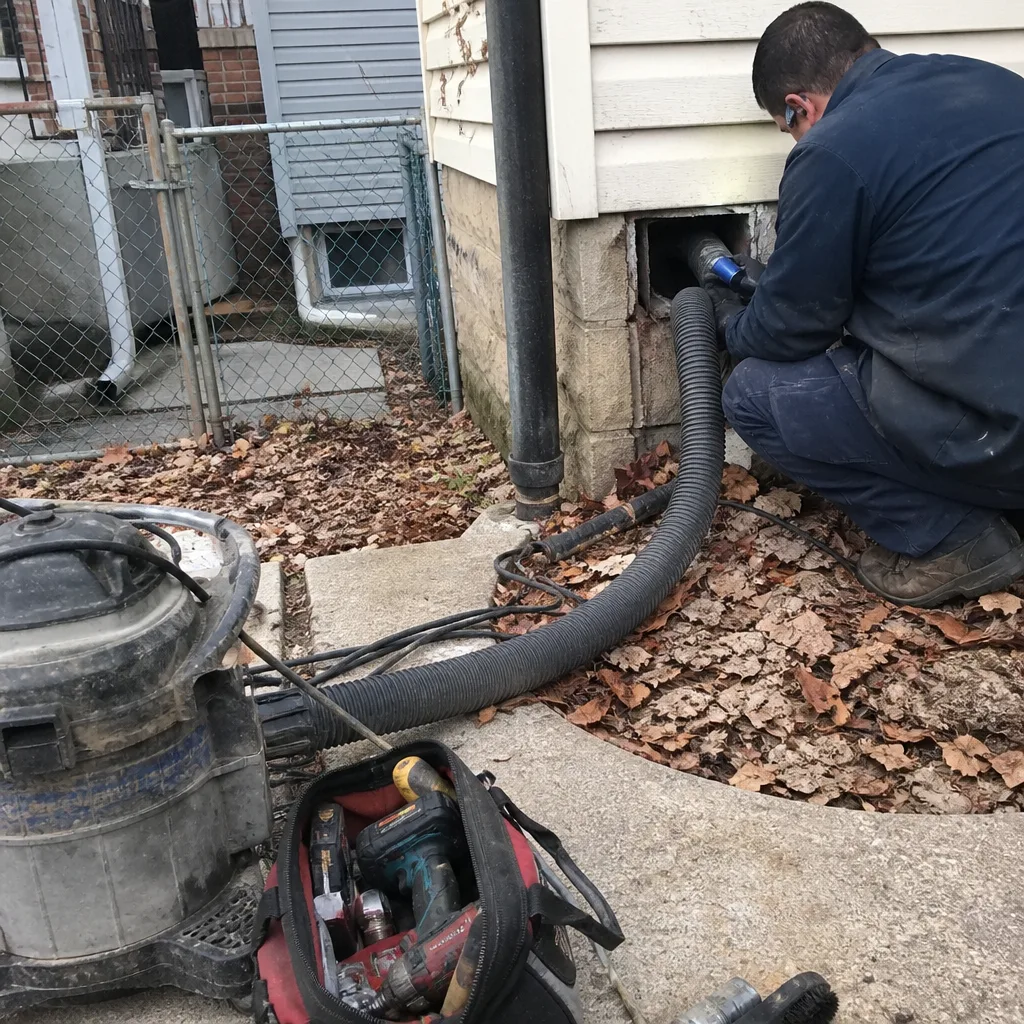 Before
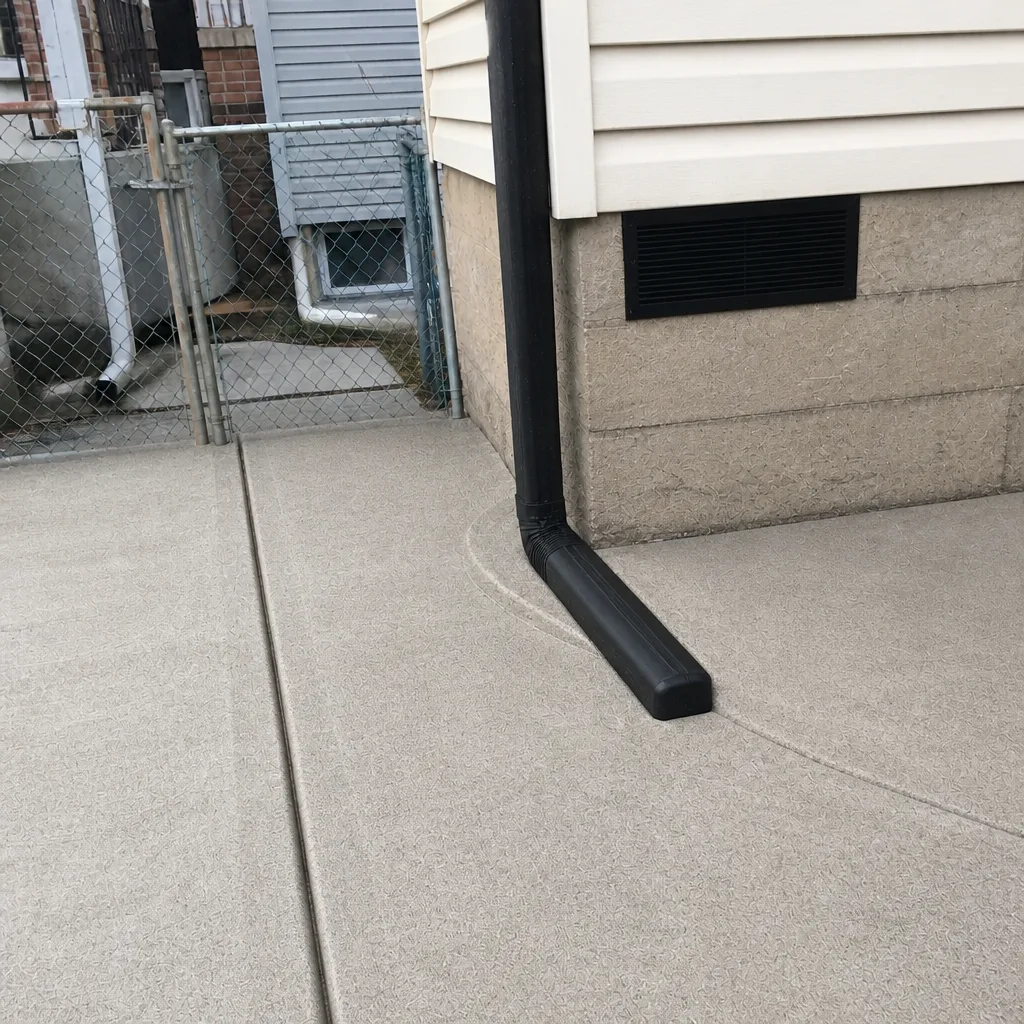 After
When to Call a Professional
Call a professional when you’ve found two or more of the signs in this guide at the same time, when the odor persists past a day or two, when you can see visible debris behind a register, when airflow is weak across multiple rooms, or when energy bills have climbed without any equipment change. Call before you replace a blower or a whole system – the problem is often inside the ductwork, not inside the box. In Jackson Heights, Air Duct Cleaning Jackson Heights offers free estimates – call (844) 443-4566. A technician can inspect the system and tell you what’s actually there. Our technicians have up to 9 years of experience and use professional equipment from Rotobrush and Nikro. The local pro is licensed and insured as their state requires, and you’ll get before-and-after photos of your own system, not stock images.
Frequently Asked Questions
Air duct cleaning in Jackson Heights typically runs $375 to $650 for a standard apartment system, with whole-building or multi-zone work running higher. Pricing is per system, not per vent, so there’s no incentive to under-quote a coupon price and make it up once the technician is on site. The written estimate sets the final price. Call (844) 443-4566 for an exact quote – estimates are free.
Cheaper quotes usually reflect a shop vacuum and a brushed nozzle rather than professional agitation and extraction equipment like Rotobrush or Nikro. The difference shows up in what gets removed: a vacuum pulls surface dust, while a proper system agitates the duct wall and extracts the debris that’s bonded to it. Cheaper quotes also tend to price per vent, which drives the scope down to the cheapest possible visit. Ask what equipment is coming to your home before you book.
Ask for before-and-after photos of your own ductwork, not stock images. A technician should be able to show you what was removed from the system. With a proper extraction setup, the collection chamber fills visibly. If a crew can’t show you the system before and after, you don’t have proof the work happened. We photograph every system before and after.
Every three to five years fits an average household with a pet-free home and a filter changed on schedule. More frequent cleaning applies if you’ve had renovation dust, a water event, or new symptoms tied to the system. A cleaning at move-in gives you a baseline. The right interval is the one that matches your building, and a technician can help set it.
Often yes, if the cause is airflow restriction in a branch duct. It won’t fix a design flaw in the original duct layout or a failing furnace, and a technician should tell you which problem you’re actually looking at during the estimate. If the imbalance is caused by debris, cleaning resolves it. If it’s caused by a leaky joint, air duct cleaning paired with sealing resolves it. If the system is failing, cleaning helps but the equipment needs attention too.
Removing accumulated debris from the system reduces what circulates through the living space, which many homeowners report as a noticeable improvement during high-use months. Duct cleaning is not a medical treatment, though, and if the pattern of symptoms follows the system’s operation, cleaning is a reasonable first step alongside a doctor’s advice. Call (844) 443-4566 if you want the system inspected and photographed.
The Bottom Line
Most duct contamination in Jackson Heights shows up first as a set of signals that look like equipment problems: uneven airflow, persistent odors, visible dust, rising bills, and symptoms that track the system’s operation. Reading those signals together – rather than chasing a single symptom – is what gets the diagnosis right. Cleaning a system with professional agitation and extraction equipment, sealing the leaks left behind, and putting a realistic interval on the schedule are the three moves that keep the system doing what it’s supposed to. If you’ve found two or more of the signs in this guide, get a proper look inside the ducts before you spend anything on equipment.
Contact
If you’re seeing the signs in this Jackson Heights guide and want an expert look inside the system, we’re here to help. Air Duct Cleaning Jackson Heights offers free estimates in Jackson Heights and the surrounding area – call (844) 443-4566. We answer 24/7. Fast dispatch from 7am to 7pm, Sunday through Friday, closed Saturday. Our technicians have up to 9 years of experience and come equipped with Rotobrush and Nikro professional-grade equipment. From cleaning to sealing, one call covers Air Duct Cleaning Jackson Heights and every part of the system – air duct cleaning, dryer vent cleaning, HVAC cleaning, duct repair and sealing, and air quality sanitizing. The written estimate sets the price, before-and-after photos document the work, and the local pro is licensed and insured as their state requires.
Written by the team at Air Duct Cleaning Jackson Heights.