
Last updated November 22, 2026
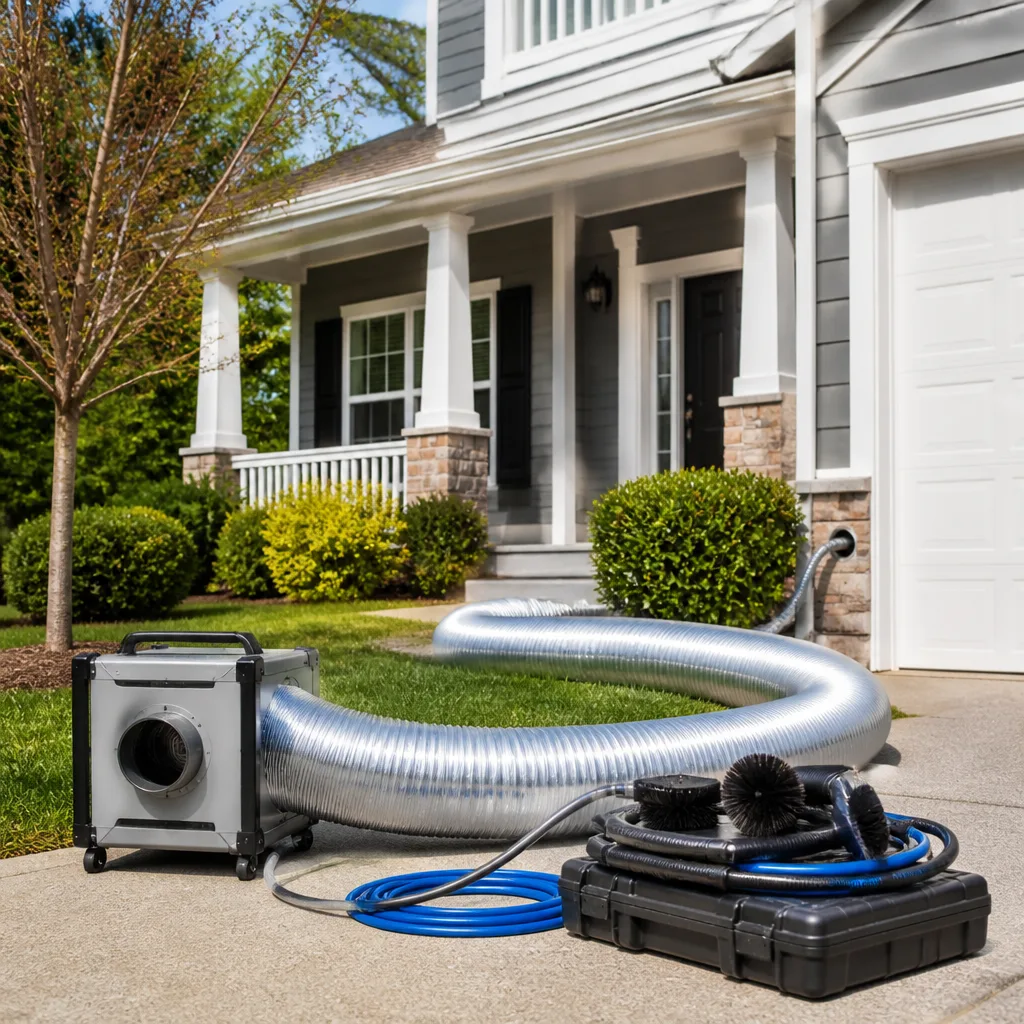 Whole-home duct cleaning
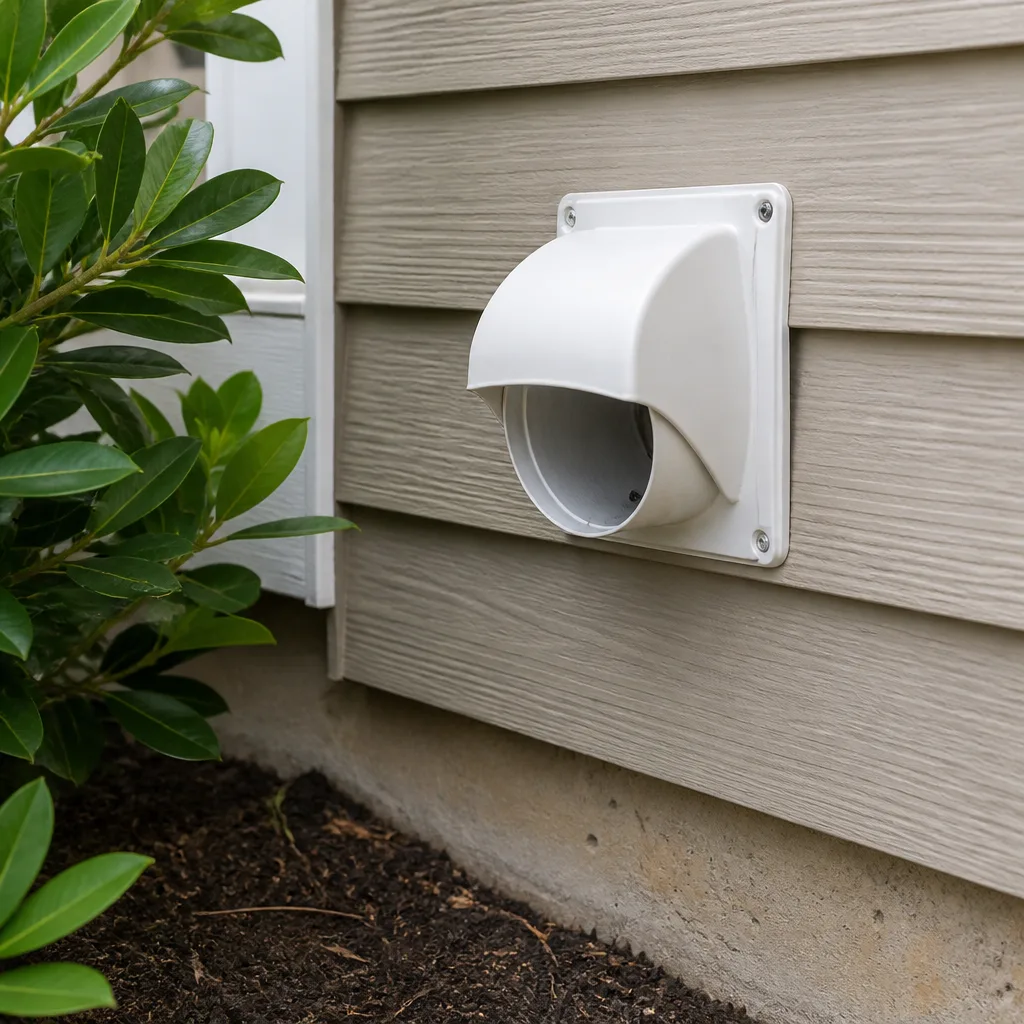 Dryer vent cleaning
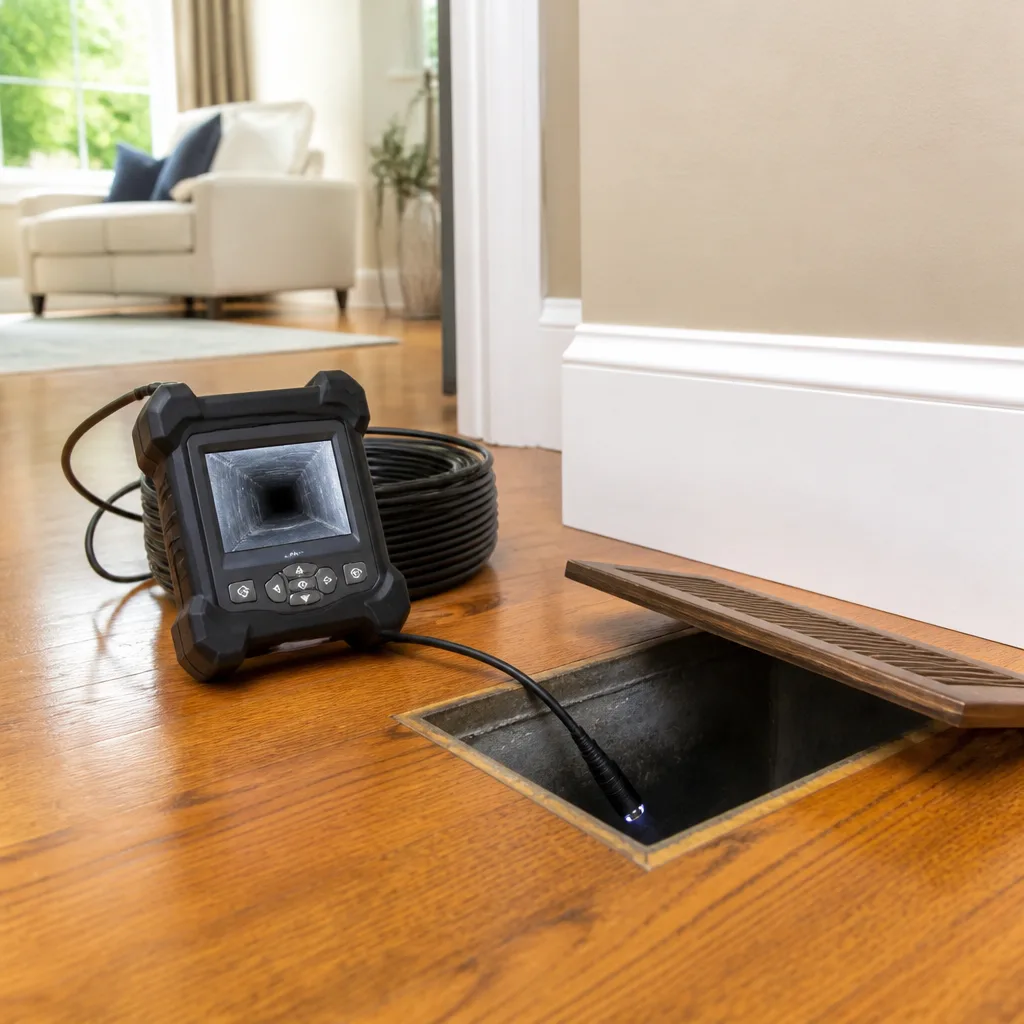 Camera inspection
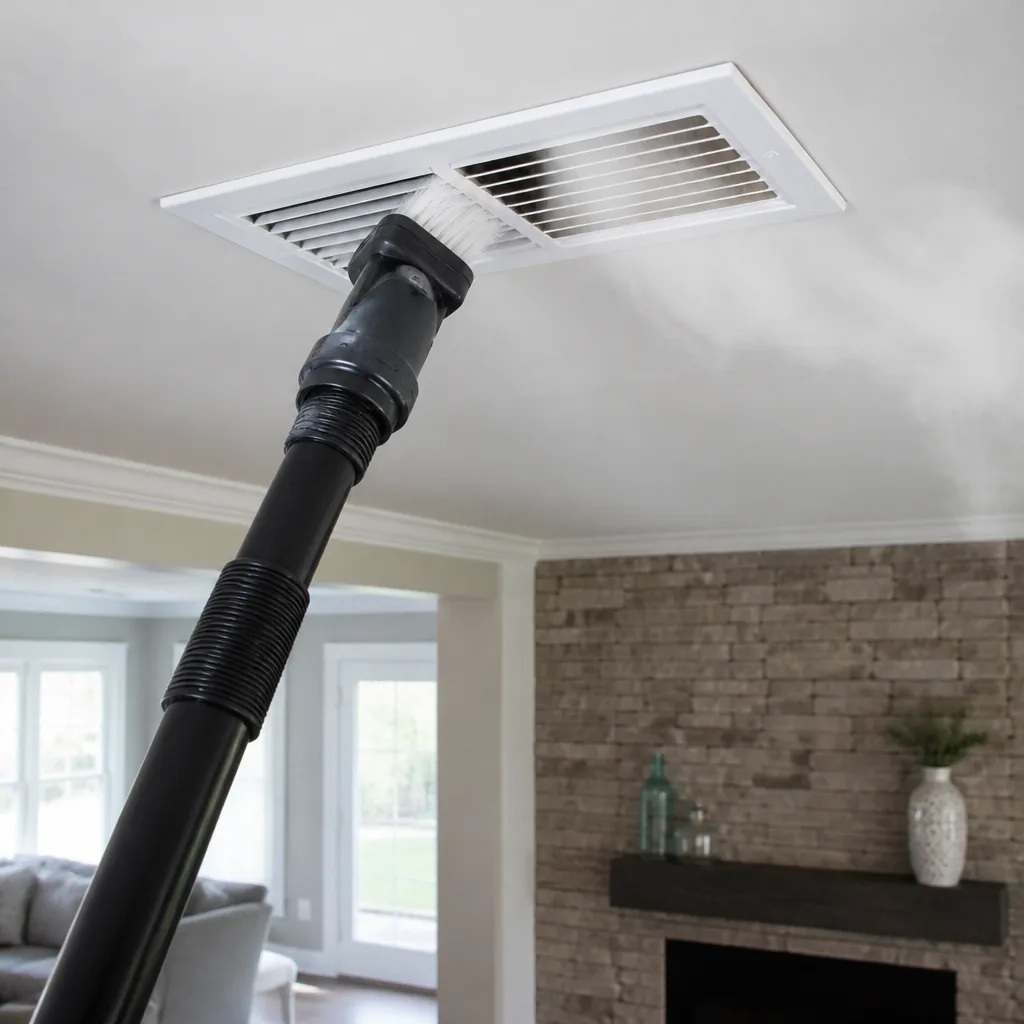 Sanitizing & deodorizing
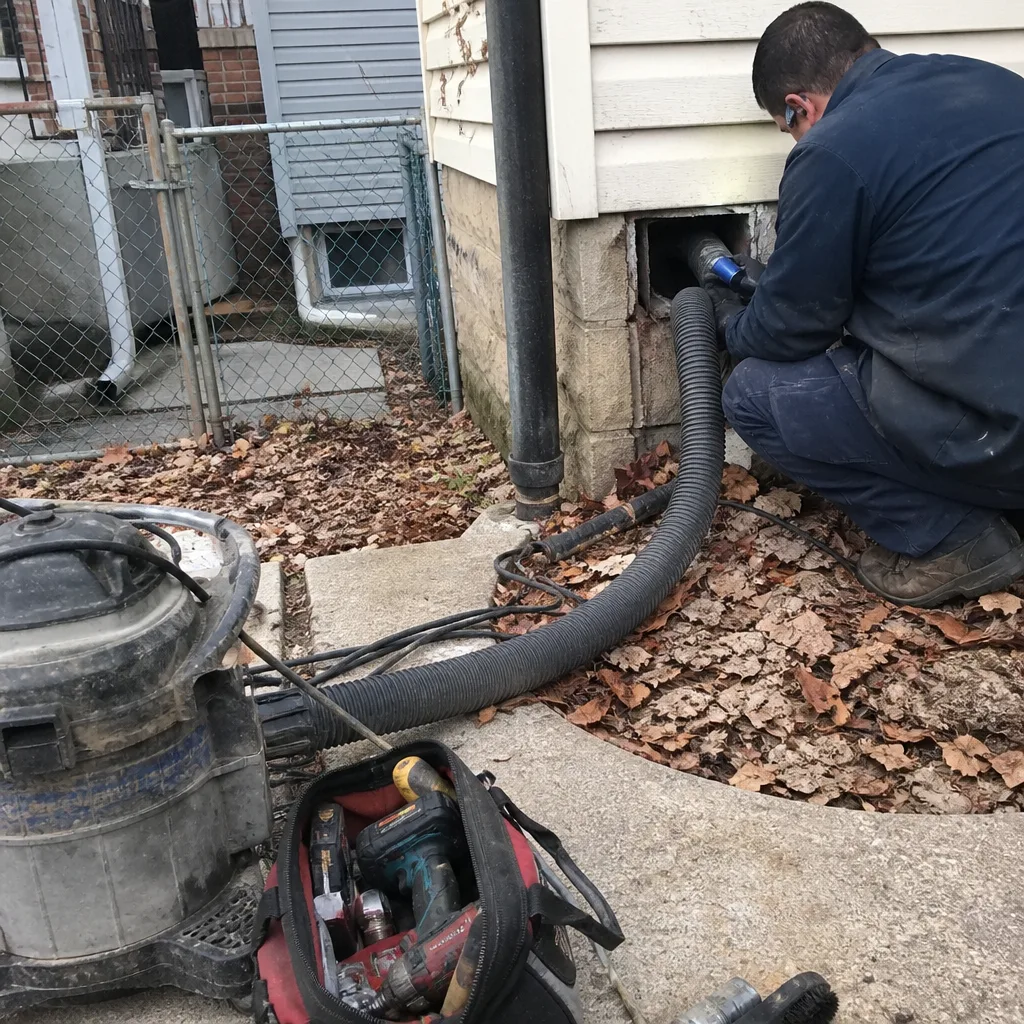
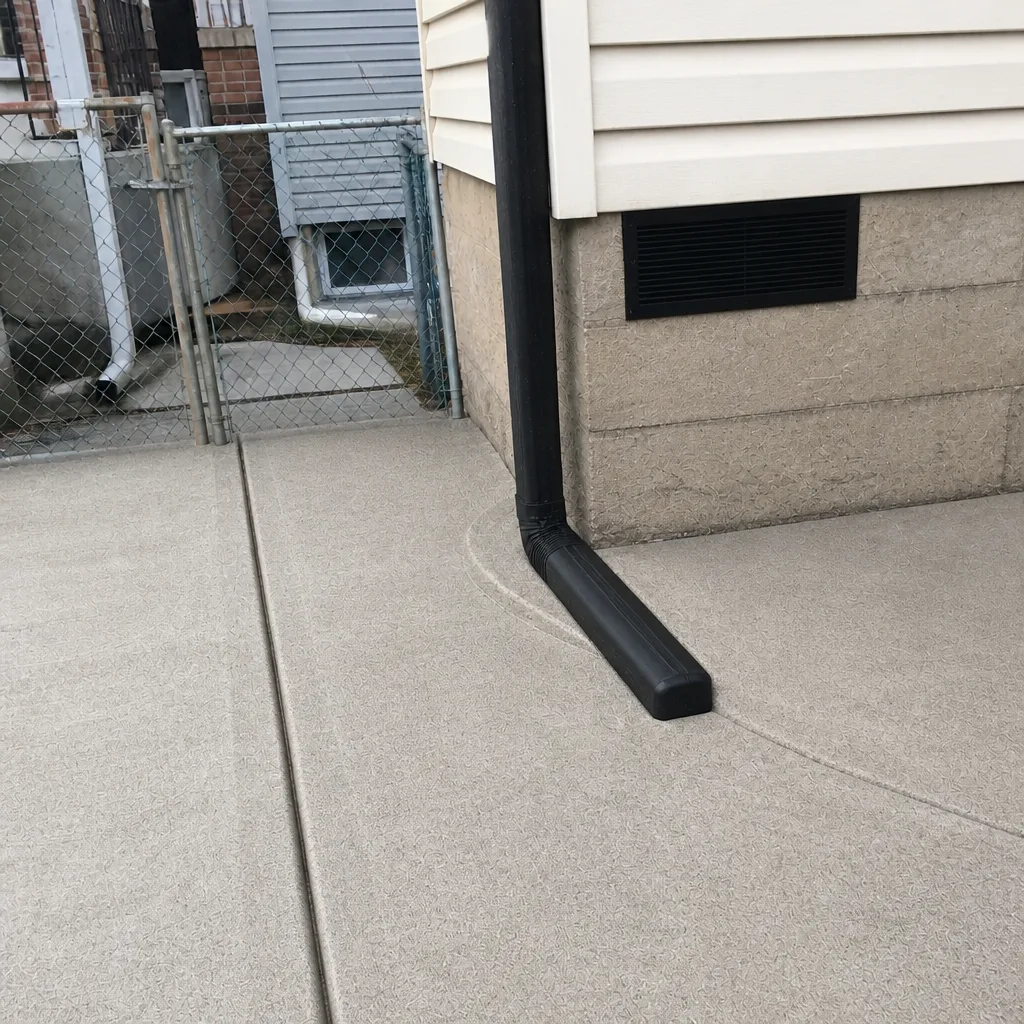
Whole-system duct and dryer vent check with before-and-after photos - you see exactly what came out of your vents
That "$99 whole-house special" is a bait ad - the real number appears once they are in your hallway, or the "clean" is a shop-vac at the register. We photograph the inside of your ducts before and after instead.
The Complete Guide to Air Duct Cleaning in Jackson Heights
Most people assume the dust in their apartment is just dust. In Jackson Heights, that assumption is usually wrong. The fine gray film that settles on windowsills and recirculates through supply registers in this neighborhood carries a component that suburban homes almost never deal with: iron oxide particulate thrown off by the elevated subway lines that run through the heart of the neighborhood. Homes within a few hundred feet of those tracks pull a different kind of contamination into their HVAC systems, and the standard brush-and-vacuum job does not remove it. This guide explains what’s actually inside a typical Jackson Heights duct system, how the neighborhood’s housing stock shapes the cleaning protocol, and how to tell whether a company did the work or just made noise for an hour.
Quick Answer
Air duct cleaning in Jackson Heights is a full-chain process: source removal with industrial vacuum equipment under negative pressure, mechanical agitation of every duct run, containment to keep dislodged debris from migrating into living space, and post-job verification against NADCA ACR standards. In Jackson Heights, the job differs from suburban cleaning because the neighborhood’s pre-war buildings, converted multi-family layouts, and proximity to elevated subway lines create particulate loads and duct configurations that require specific protocols. A legitimate job produces a written before-and-after record, not just a lower dust count on your bookshelf.
Styles & brands we work with
- Whole-home duct cleaning
- Dryer vent cleaning
- Camera inspection
- Sanitizing & deodorizing
Table of Contents
- Why Jackson Heights Ductwork Is Different
- Subway-Generated Iron Oxide and What It Does Inside Ducts
- Flex Duct vs. Sheet Metal: Two Systems, Two Protocols
- What a Full-Chain Cleaning Job Actually Includes
- Cross-Contamination in Shared HVAC Systems
- How to Read a Post-Cleaning Report
- How Often Ducts Really Need Cleaning Here
- Common Mistakes to Avoid
Why Jackson Heights Ductwork Is Different
Jackson Heights was built mostly between the 1910s and the 1940s, and the housing stock reflects that era in ways that matter to anyone cleaning ducts inside it. The garden apartment complexes and six-story elevator buildings that define the neighborhood were designed when ducted central air was not part of the plan. Heat came from radiators, and air came from open windows. When those buildings were later retrofitted with central air or split systems, the ductwork was often added inside existing wall cavities, above dropped ceilings, or through converted service spaces. That retrofit history creates duct runs that are shorter, more irregular, and more likely to be flex duct than anything you’d find in a postwar suburban house.
The result is a housing stock where no two duct systems look quite the same. A pre-war co-op on 37th Avenue might have rigid galvanized sheet metal running through a chase behind the kitchen, while a converted two-family on 80th Street could have insulated flex duct threaded through a soffit. Older attached homes along the side streets often retain original sheet metal trunk lines with added flex branches feeding new registers. Each configuration demands a different cleaning approach, and a company that shows up with one method for every job will miss roughly half the contamination in any Jackson Heights apartment.
Density compounds the problem. Jackson Heights is one of the most densely built neighborhoods in Queens, and when buildings sit shoulder to shoulder, the air that enters one unit’s HVAC intake has already passed over a lot of ground-level activity. Street-level particulate from traffic on Northern Boulevard, Roosevelt Avenue, and the Brooklyn-Queens Expressway edges finds its way into return-air intakes throughout the neighborhood. In a suburban house, that particulate disperses. Here, it settles into duct systems that may not have been cleaned since the building was converted.
Our technicians have up to 9 years of experience with duct systems across Queens, and we’ve seen this pattern repeatedly: Jackson Heights jobs require more time per linear foot of duct than comparable square footage elsewhere, because the systems are compact, irregular, and often layered with decades of accumulated material.
Subway-Generated Iron Oxide and What It Does Inside Ducts
Walk along Roosevelt Avenue or Broadway under the elevated tracks and you’ll notice a fine dark grit on the sidewalk. That grit is largely iron oxide: fine metal particles worn off train wheels, brake components, and rail surfaces, then dispersed into the surrounding air by the movement of trains. Most Jackson Heights apartments sit within a few hundred feet of one of these elevated lines, which means that particulate is present in the ambient air the neighborhood breathes.
What makes iron oxide different from ordinary household dust is how it behaves once it settles inside a duct. Household dust is comparatively light: lint, skin cells, pet dander, fabric fibers. It responds well to standard agitation and vacuum extraction. Iron oxide particulate is heavier and denser. It settles faster, adheres to duct surfaces more tenaciously, and tends to accumulate on the bottom of horizontal runs rather than distributing evenly. Push air past it with a standard brush, and you won’t lift it; you’ll move it. A brush that isn’t paired with proper negative pressure can send iron oxide particulate downstream into supply registers and, from there, into living space.
The correct protocol for iron oxide contamination involves three layers working together:
- Containment first. Every register, return, and access point is sealed before any agitation begins, so nothing dislodged during cleaning can escape into the apartment.
- Negative pressure throughout. A high-capacity vacuum unit maintains constant negative pressure inside the duct system, so loosened material is pulled toward the collection point rather than pushed into rooms. We use Nikro and Rotobrush equipment for this stage because both are built for continuous operation at the vacuum levels the job requires.
- Mechanical agitation calibrated to the surface. Contact cleaning with the right brush type and rotation speed lifts adhered iron oxide from duct walls without scoring or damaging them. Then the same negative pressure captures what the brush has released.
One more detail: iron oxide particulate can darken filtration media faster than typical residential dust. If you’re replacing HVAC filters more often than seems reasonable, that’s a signal worth paying attention to. It doesn’t prove your ducts need cleaning, but it does suggest the system is pulling heavy particulate load, which is worth having checked.
Flex Duct vs. Sheet Metal: Two Systems, Two Protocols
The single biggest mistake homeowners in Jackson Heights make when comparing duct cleaning quotes is assuming every company will recognize the difference between their duct material and someone else’s. Flex duct and rigid sheet metal are not cleaned the same way, and a job that uses the wrong protocol for the material can leave the system dirtier than it started or, worse, damage the duct.
Flex Duct in Converted Apartments
Flex duct is the ribbed, flexible, usually insulated material you’ll see in the basement or mechanical closet of a converted Jackson Heights apartment. It’s the standard retrofit choice because it can be routed around obstacles and through tight cavities where sheet metal won’t fit. The ribbed interior surface is also, unfortunately, an excellent particulate trap: every ridge is a place where debris collects. Flex duct requires lower-pressure agitation than sheet metal, because aggressive brushing can tear the inner liner and create new leaks. Cleaning flex requires a brush sized to the duct diameter, controlled rotation, and consistent vacuum support.
Rigid Sheet Metal in Older Attached Homes
Sheet metal trunk lines in older attached homes are built to handle more aggressive mechanical cleaning, but they come with their own considerations. Joints may be loose, seams may be taped rather than sealed, and interior surfaces may have light surface corrosion that standard brushes can handle but excessive pressure can make worse. Before cleaning, the technician needs to run the system, check for leaks and disconnected sections, and identify any joint that should be sealed rather than simply cleaned. A cleaning-only company will brush the sheet metal and leave the loose connection in place. A full-service specialist repairs the leak as part of the job and mentions it in the report.
How to tell which you have
- Look at the duct behind a supply register. Ribbed and slightly flexible means flex. Smooth and rigid means sheet metal.
- Check the mechanical closet or above the drop ceiling for the main trunk line.
- Ask any company, before scheduling, which protocol they use for your duct material.
- If the answer is the same for both materials, that’s your answer about the company.
What a Full-Chain Cleaning Job Actually Includes
A cleaning job that produces a real result follows a specific sequence, and the sequence matters as much as the equipment. If a company shows up, connects a vacuum hose to one register, runs a brush through a couple of runs, and leaves, no proper cleaning happened. Here’s what a full-chain job in Jackson Heights should look like:
- System inspection and pre-job documentation. The technician checks every register, return, and accessible duct segment, notes any damage or disconnection, and photographs the interior before work begins.
- Containment setup. Registers, returns, and access points are sealed. Floor protection goes down. The goal is zero migration of debris into living space.
- HVAC cleaning. The air handler, blower, cooling coil, and drain pan get cleaned first, because they’re the source of a lot of the material that ends up downstream. HVAC cleaning is not optional in a proper duct job.
- Negative pressure established. High-capacity vacuum equipment (we use Rotobrush and Nikro) is connected and run throughout cleaning, maintaining constant suction inside the duct system.
- Mechanical agitation, run by run. Every supply and return line is cleaned with a brush or air-whipping tool appropriate to its material, working from the farthest register back toward the collection point.
- Sanitizing treatment. Once surfaces are clean and dry, an application of air-quality sanitizing product (we use Abatement Technologies and Guardsman) addresses remaining microbial residue. This is a post-cleaning treatment, not a substitute for mechanical cleaning.
- Duct repair and sealing where needed. Loose joints, gaps, and damaged sections get sealed before the job is closed out. Cleaning a leaky system without sealing it means the next load of particulate comes right back in.
- Post-job verification and report. Interior surfaces re-inspected, after photos taken, system tested under normal operating conditions.
If your dryer vent is in the same mechanical space, this is also the moment to schedule dryer vent cleaning; the two jobs share equipment and access, and a clogged dryer vent is a fire-safety issue regardless of how clean the air ducts are.
Cross-Contamination in Shared HVAC Systems
Jackson Heights has a lot of shared HVAC infrastructure. Apartment buildings with central riser systems, converted multi-families where one air handler feeds two floors, and garden apartment complexes with common mechanical areas all create the possibility that contamination in one unit can affect another. This isn’t a scare story; it’s simply how shared systems work. Air moves through shared plenums and duct segments, so material dislodged in one location can end up downstream in a different location.
The problem shows up in two ways. First, cleaning a shared system without proper containment can send contamination from one unit into another. Second, a shared system with a leak at a common joint can pull air from a mechanical space, another unit, or the exterior into a duct run that serves a living area. Cross-contamination isn’t only a between-unit issue; it’s often a between-space issue within the same building.
What does this mean if you’re a homeowner, landlord, or property manager in Jackson Heights? A few practical guidelines:
- For landlords and managers: when a shared air handler serves multiple units, cleaning should address the full system, not one filtered branch. Containment and negative pressure are non-negotiable, because standards applied to one branch don’t protect an adjacent unit.
- For apartment residents: if the system serving your unit is building-managed, ask whether the building has a cleaning record before the last filter change. If not, the ducts are likely overdue.
- For converted multi-families: if one system serves two floors through separate zones, both zones should be inspected together. A leak in one rarely stays there.
- For anyone with a shared plenum: sealing work is often more valuable than a second cleaning pass. Fix the leak, then clean; cleaning without sealing gives contamination a path back in.
If you’re starting the process from scratch, our air duct cleaning overview covers the service from the front end, including how a shared-system job is scoped and priced.
How to Read a Post-Cleaning Report
A post-cleaning report is the single most important artifact of the job. If a company can’t or won’t give you one, the job didn’t meet professional standards regardless of what the technician said on the way out. The report is what turns “we cleaned your ducts” into a document that a landlord, property manager, or future buyer can rely on.
Here’s what a legitimate report should contain:
- Pre-cleaning photos of every accessible duct segment. Interior photos, not just exterior before shots of a dusty register.
- Cleaning method documentation. Which equipment was used, what pressure level was maintained, how agitation was applied.
- Post-cleaning photos of the same segments. Taken from the same angle as the before photos, so the comparison is meaningful.
- A log of any duct damage or disconnection found and repaired. If the technician sealed a joint, the report should say so.
- Airflow verification. A test that confirms the system is moving air normally after cleaning, which is the best indicator the job didn’t leave blockage behind.
- Reference to the standards applied. Legitimate reports reference NADCA ACR standards, the industry baseline for how a cleaning job should be assessed.
The NADCA ACR standard is the benchmark for duct cleaning methodology in North America, and professional duct cleaning companies document their work to that standard. What that means in practice: if a company hands you a one-page invoice with no photos, no method detail, and no verification, the job didn’t meet the standard. You should ask for a proper report, and if the company can’t produce one, that’s information you can act on.
How Often Ducts Really Need Cleaning Here
There’s no universal interval, and any company that quotes one without inspecting your system is guessing. The honest answer is that frequency depends on what’s actually in the ducts, how the system is configured, and what’s going on around the building. In Jackson Heights, several factors tend to accelerate the schedule compared to a typical suburban house.
The biggest is subway-adjacent particulate. Units close to an elevated line accumulate iron oxide faster than units farther away, which means two apartments on the same block can have very different duct conditions. The second is building density: shared systems and shared mechanical spaces tend to accumulate more material than a single-family house because more air moves through the same infrastructure. The third is renovation activity. Conversions, unit splits, and kitchen and bath remodels all generate construction dust that finds its way into ductwork, and dust from a renovation is often more abrasive and harder to lift than typical household dust.
Practical guidelines for Jackson Heights:
- Newly purchased or newly rented apartment: inspect before you move in. You don’t know the cleaning history, and inspection is free.
- Recent renovation in the building: inspect within the first few months. Construction dust moves further through shared systems than most people expect.
- Visible dust buildup on supply registers or the return grille: that’s not a sign of needing a cleaning soon. It’s a sign of needing one now.
- Persistent musty smell when the system runs: likely microbial growth. Sanitizing plus cleaning, not just cleaning.
- Dryer taking longer than it used to: that’s a dryer vent issue, not a duct issue, but the two often travel together and should be checked in the same visit.
- Shared building system with no cleaning record in the last several years: worth a full inspection of the common runs.
If you’re a landlord or property manager responsible for a Jackson Heights building, an annual inspection is a reasonable baseline even if cleaning isn’t needed every year. Inspection is quick, and it catches small issues (loose joints, damaged flex, blocked returns) before they turn into larger ones.
Common Mistakes to Avoid
- Choosing a quote without asking about method. A price means nothing if the company shows up without proper containment and negative pressure. Ask up front which equipment they use and how they keep debris out of living space; if the answer is vague, keep looking.
- Assuming every company recognizes flex vs. sheet metal. The two materials require different protocols, and a company that uses one approach for both will either miss the contamination in flex or damage the sheet metal. Ask specifically.
- Cleaning without sealing. A cleaning-only visit that ignores loose joints and disconnected runs leaves a path for the next load of particulate right back into the ducts. In older Jackson Heights attached homes, this is the most common shortcut we see.
- Treating sanitizing as a substitute for cleaning. Spraying sanitizing product into a dusty duct doesn’t remove the dust; it just dampens it. Sanitizing comes after cleaning, never instead of it.
- Skipping the post-cleaning report. A verbal “all good” from the technician is not documentation. You want before and after photos, method notes, and airflow verification.
- Ignoring the dryer vent because “it’s just a small job.” In older Jackson Heights buildings, dryer vents often run long, winding paths to exterior. That trapped lint is one of the leading fire hazards in any household, and it’s a much simpler job than a fire is.
- Assuming a cheap quote means a cheap job happens. In this trade, the lowest quote usually means the fewest steps get done: no containment, no HVAC cleaning, no verification. You pay for what actually happens inside the duct, not for the line on the invoice.
See the difference
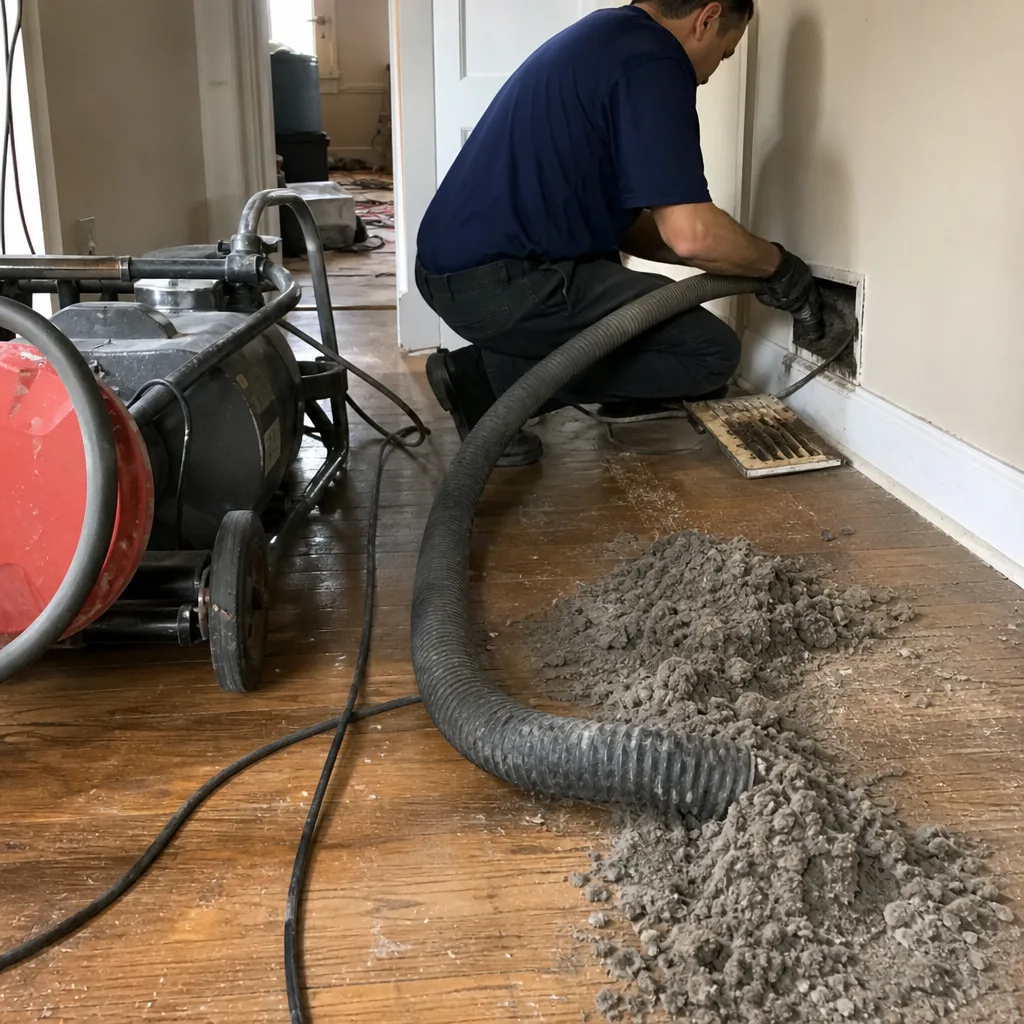 Before
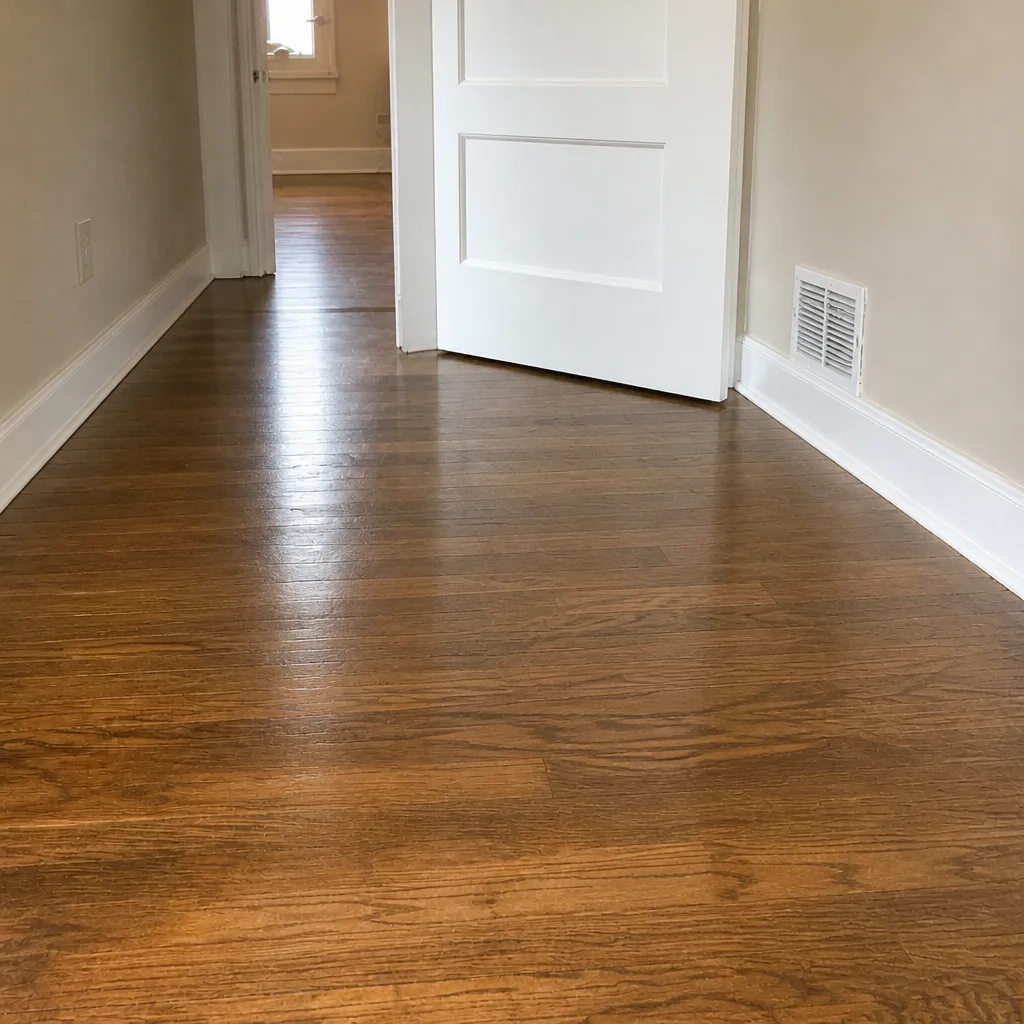 After
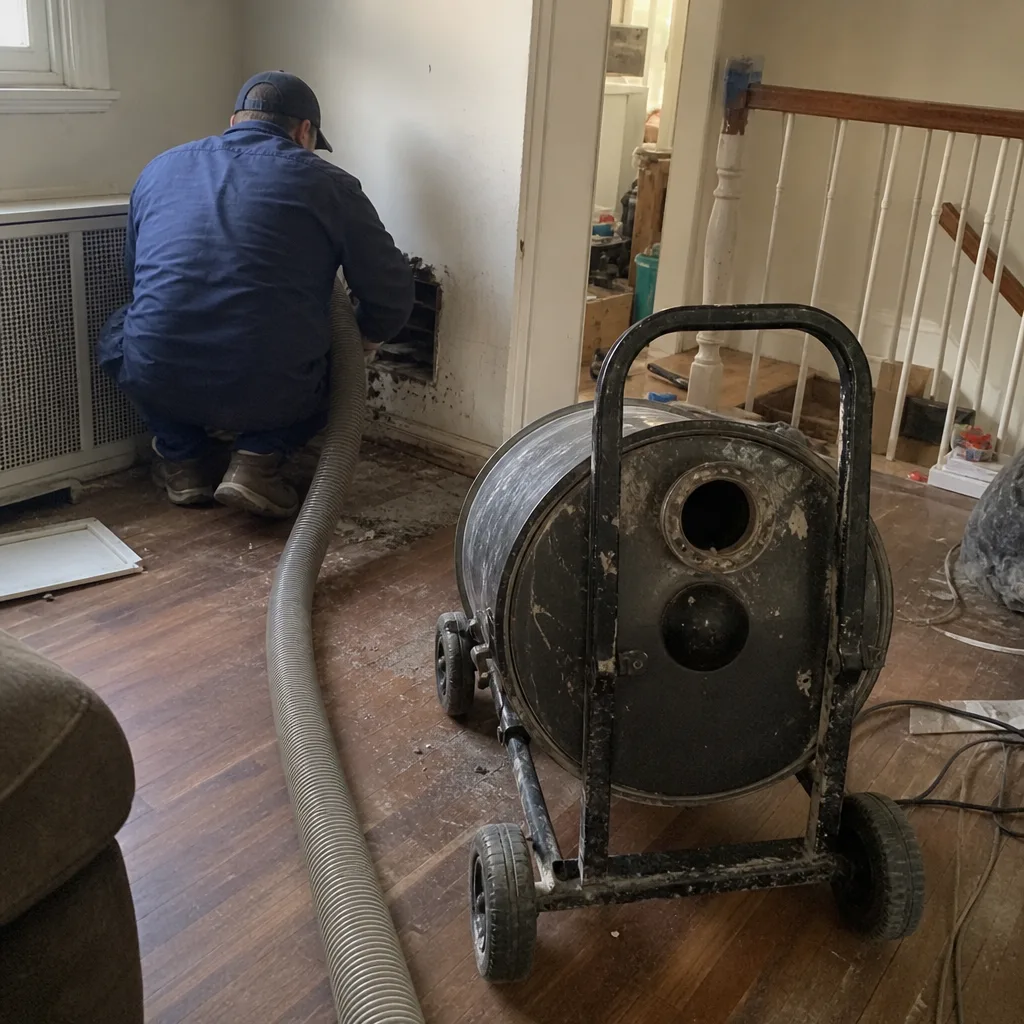 Before
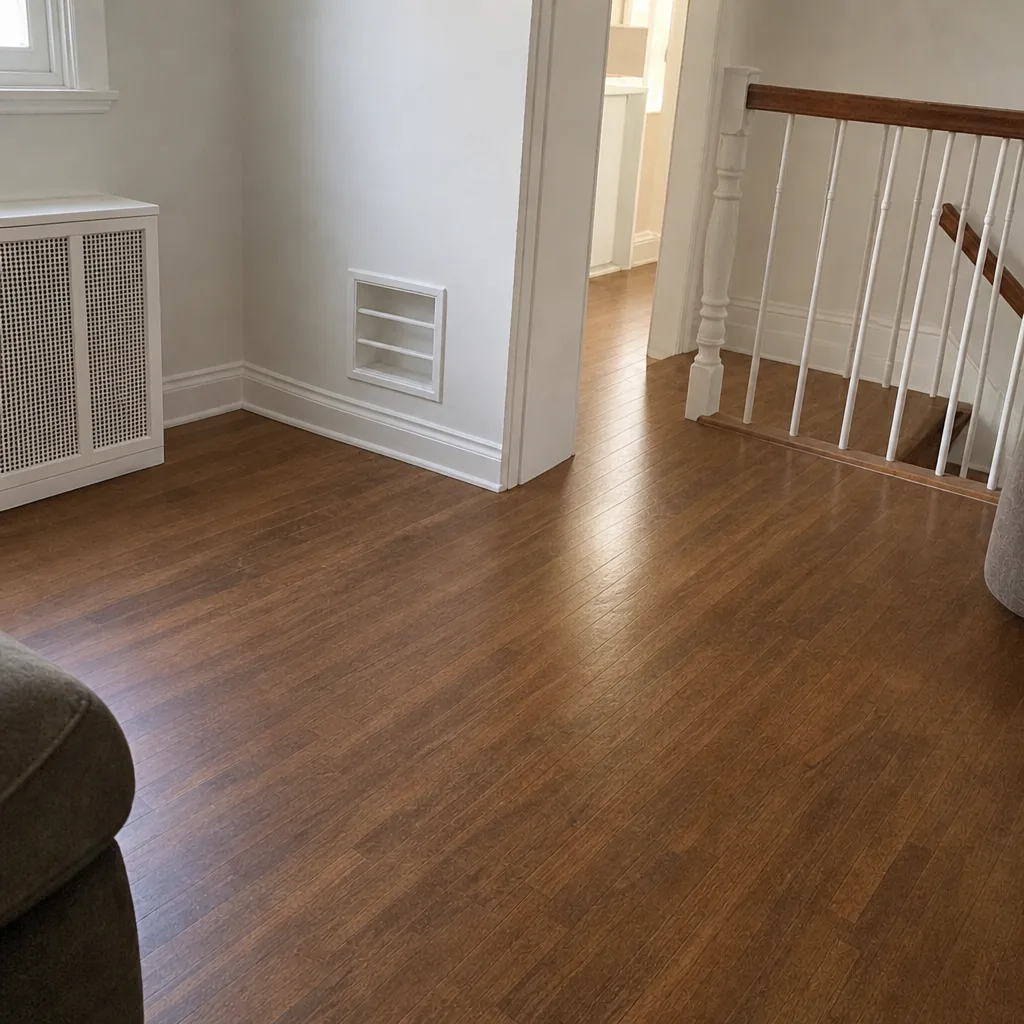 After
 Before
 After
When to Call a Professional
Some situations are clearly on the “call now” side of the line, and others are worth a quick conversation. Call a professional if: visible dust builds up on supply registers within weeks of cleaning them by hand; the system produces a musty or stale smell when it runs; you’ve had a renovation in the building and the ducts haven’t been inspected since; the dryer is taking noticeably longer to dry a load; you’re preparing to rent out or sell an apartment and need documented cleaning history; or you’re managing a building where the common HVAC has no cleaning record. If you’re not sure, an inspection resolves the question quickly and cheaply.
Air Duct Cleaning Jackson Heights offers free estimates in Jackson Heights. Call (844) 443-4566. We answer 24/7. Fast dispatch from 7am to 7pm, Sunday through Friday. Estimates are free, and the written estimate sets the price before any work begins. The local pro is licensed and insured as the state requires, and every job is documented with before-and-after photos of your own ducts.
Frequently Asked Questions
Whole-system duct cleaning in Jackson Heights typically costs somewhere in the low-to-mid hundreds for a single apartment and more for a full multi-family or shared system, depending on the number of runs, duct material, and whether repair and sealing are needed. Every job is priced per system by the written estimate, agreed before work starts. Call (844) 443-4566 for an exact quote; estimates are free.
Same-day scheduling is often possible when the request comes in during dispatch hours. We answer 24/7 and dispatch Sunday through Friday, 7am to 7pm. Call (844) 443-4566 to check availability for your building.
Cheap quotes are usually cheap because steps were removed: no containment, no negative pressure, no HVAC cleaning, no post-job verification, and often no repair of the loose joints that caused the problem in the first place. In Jackson Heights, where flex duct and iron oxide contamination both need specific protocols, a quote that doesn’t mention method is not a comparable quote. Call (844) 443-4566 for an honest range and a written estimate.
Ask for the post-cleaning report: before and after photos of the same duct segments, a description of the method and equipment used, a log of any sealing or repairs, and airflow verification. A legitimate job produces that documentation. If the report is missing, the job didn’t meet professional standards. We include before-and-after photos of your own ducts with every job. Call (844) 443-4566 to book an estimate.
There’s no fixed interval; frequency depends on subway proximity, building density, renovation history, and what inspection actually finds. For an apartment near an elevated line with shared HVAC infrastructure, an annual inspection is a reasonable baseline even when cleaning isn’t needed every year. Call (844) 443-4566 to schedule an inspection.
You need documentation more than a schedule. Landlords and property managers in Jackson Heights benefit from a written inspection and cleaning report because it becomes part of the building’s maintenance record and answers tenant questions directly. A full-chain job that includes HVAC cleaning, duct repair and sealing, and sanitizing gives you a record that a cleaning-only visit never will. Call (844) 443-4566 to scope a shared-system job.
The Bottom Line
Air duct cleaning in Jackson Heights is not a suburban job performed in an urban setting. The pre-war building stock, the converted multi-family layouts, the mix of flex and sheet metal systems, and the constant iron oxide particulate from elevated subway lines all shape what’s actually inside a Jackson Heights duct system and how it has to be cleaned. The right job includes containment, negative pressure, HVAC cleaning, mechanical agitation calibrated to duct material, sanitizing after cleaning, duct repair and sealing where needed, and a written report against NADCA ACR standards. The wrong job is a vacuum hose attached to one register for twenty minutes. Understanding the difference is what lets you tell one from the other before you write a check.
Call (844) 443-4566 for a free estimate. We answer 24/7. Fast dispatch from 7am to 7pm, Sunday through Friday. The local pro is licensed and insured as the state requires, every job is priced per system by the written estimate before work begins, and you get before-and-after photos of your own ducts and a satisfaction guarantee.
Written by the team at Air Duct Cleaning Jackson Heights.